K-Pop Tour Korea: The Complete Seoul Guide
7 minutes
3/4/2026
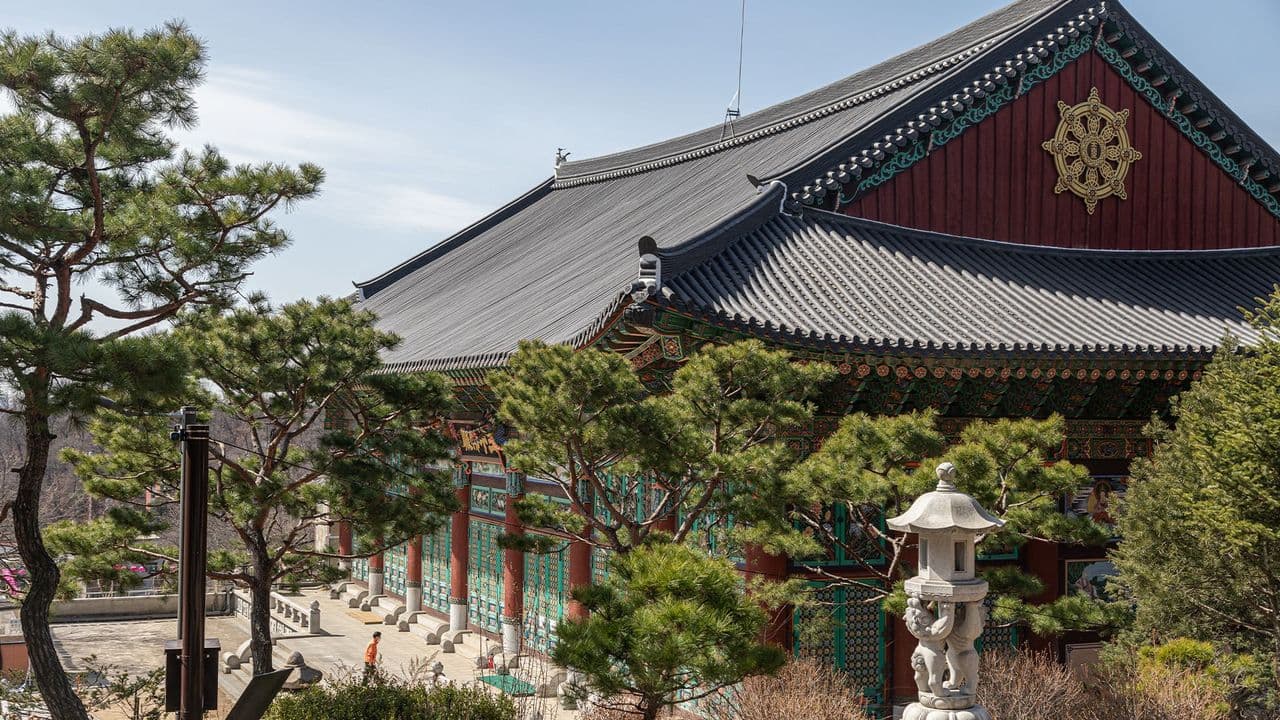
South Korea has become one of the most sought-after travel destinations in Asia — and K-pop is a huge reason why. Whether you’re chasing your favourite idols, hunting down K-drama filming locations, or simply immersing yourself in a culture that has taken the world by storm, a k-pop tour in Korea delivers experiences you simply cannot replicate anywhere else on Earth.
For travellers from Singapore and across Southeast Asia, Seoul is more than a weekend getaway. It is a full cultural pilgrimage: three-and-a-half hours by direct flight and a world away in energy. The city’s entertainment districts pulse with idol fan cafés, live broadcast show recordings, and themed pop-up events that rotate almost weekly. If you want to experience K-pop in South Korea at its most authentic, Seoul is ground zero.
What makes a dedicated K-pop tour different from a standard sightseeing trip is depth. Guided packages unlock ticketing assistance for sold-out events, pre-arranged access to fan spaces, and local guides who know which neighbourhoods are buzzing on any given day. This guide covers everything you need to plan your trip — from iconic fan destinations to a practical day-by-day itinerary.
Ready to start planning? Browse verified K-pop and Seoul tours on FindTourGo and compare packages from trusted local operators.
What a K-Pop Tour in Korea Actually Includes
Many first-timers expect a K-pop tour to mean a concert and nothing else. In reality, the best packages layer multiple experiences across Seoul’s distinct entertainment districts.
Fan Spaces and Official Merchandise Hubs
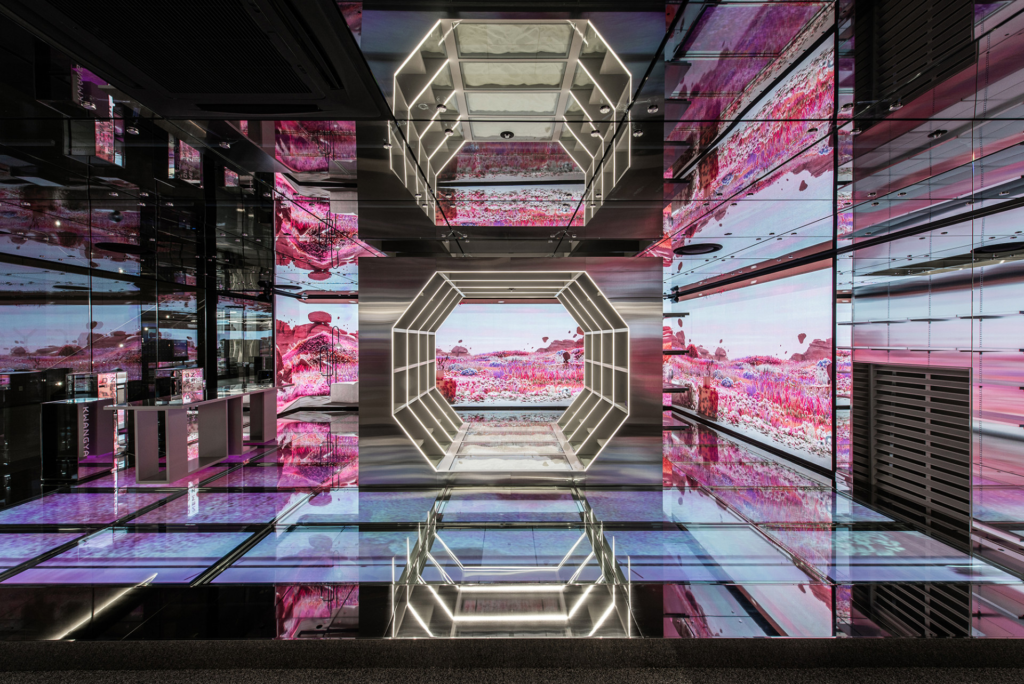
KWANGYA in Seongsu is SM Entertainment’s flagship fan destination. Inside, you’ll find exclusive merchandise, AR photo booths, and rotating displays of stage outfits worn by artists like aespa and EXO. The surrounding Seongsu neighbourhood — converted industrial studios turned into design boutiques and concept cafés — is worth half a day on its own.
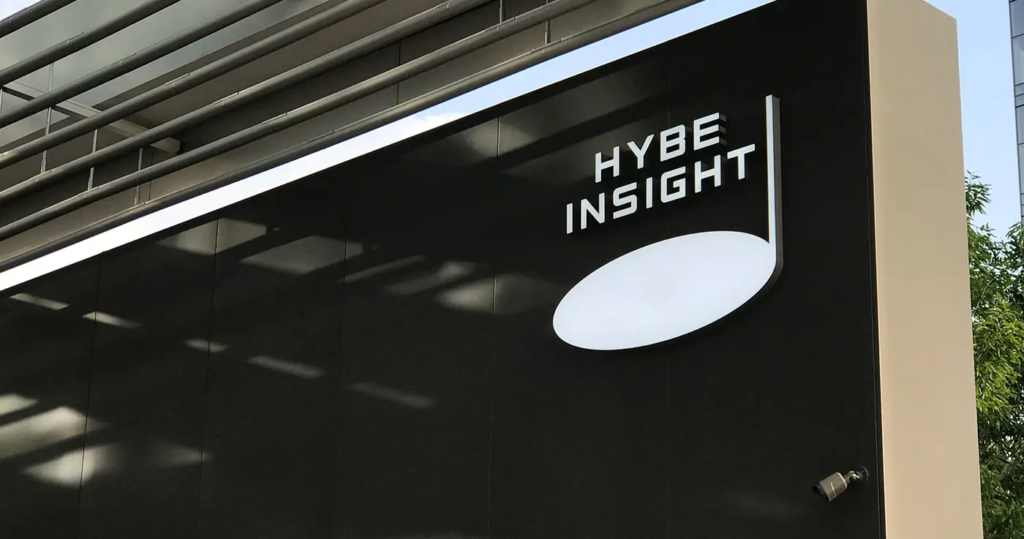
Weverse Village and HYBE-affiliated pop-up events (now rotating at external venues following the closure of the permanent HYBE Insight museum at headquarters) offer fans of BTS, TXT, and Le Sserafim official branded experiences. Check Weverse ahead of your trip for current event schedules.
Broadcast Music Show Recordings
Attending a live broadcast of Music Bank, Inkigayo, or Show Champion is the most electrifying free K-pop experience Seoul offers. Recordings are open to fans — but applications typically open one to two weeks before the shoot date and require fan café registration or a Korean phone number. Tour operators with local contacts can navigate this process on your behalf, which is where guided packages earn their value.
K-Drama Filming Locations
K-drama tourism has grown rapidly alongside K-pop. Key sites in Seoul include:
- Bukchon Hanok Village — traditional wooden hanok homes featured in countless historical dramas; best visited early morning to beat crowds
- Gyeongbokgung Palace — the most-filmed palace in Korea; hanbok rental available at the main gate
- Itaewon — backdrop for Itaewon Class; the area’s international dining scene is an attraction in itself
Idol-Themed Cafés
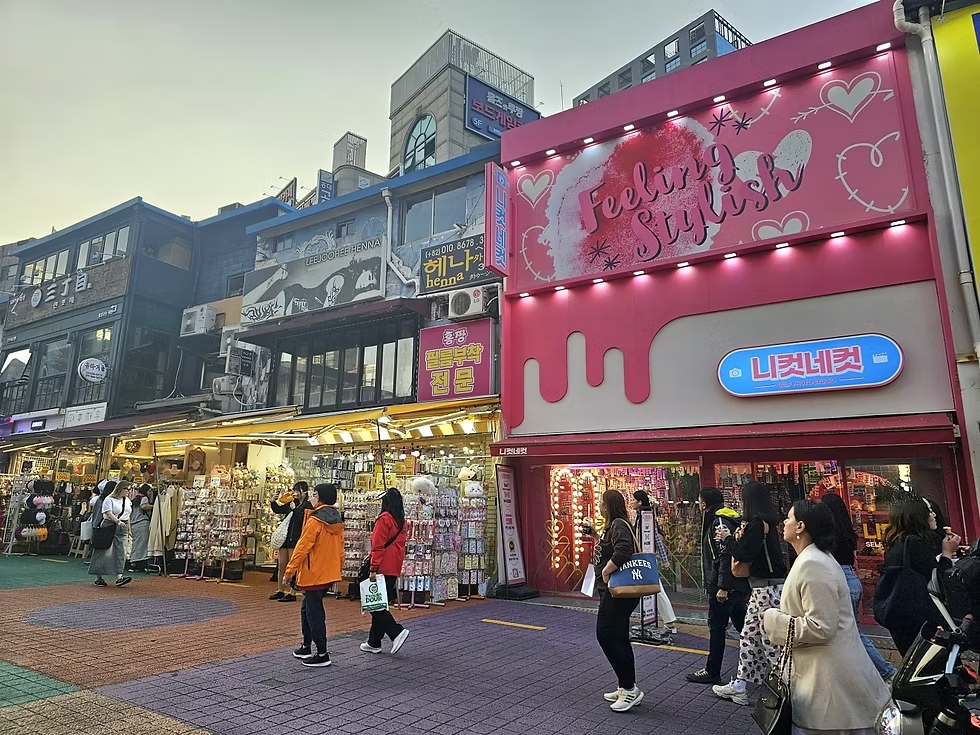
Hongdae and Seongsu host the highest concentration of K-pop concept cafés. These spaces refresh frequently — a BTS-themed café may be replaced by an aespa collaboration month to month. A local guide or an up-to-date tour operator will know what’s running during your visit.
Top K-Pop Neighbourhoods in Seoul
Hongdae: Where Fan Culture Lives
Hongdae is Seoul’s creative heartland: street performers, underground live music, graffiti alleys, and idol-themed cafés packed into a compact university district. On weekends, dance crews practise in Hongik Park and buskers perform original tracks on the main street. It’s the neighbourhood where K-pop as a cultural force feels most immediate and grassroots.
Seongsu: The New Cool
Once an industrial quarter known for shoemaking, Seongsu has become Seoul’s most photographed neighbourhood. KWANGYA sits at its centre, but the real draw is the density of branded pop-up experiences from SM, ADOR, and independent K-pop merchandise labels. The aesthetic — raw concrete, neon signage, concept stores — is the visual language of fourth-generation K-pop.
Gangnam: K-Star Road and HYBE
The K-Star Road pedestrian route along Apgujeong Rodeo Street features bear sculptures representing major K-pop groups, making it a reliable photo stop. Apgujeong itself is home to YG Entertainment’s headquarters in Hapjeong and various high-end K-beauty clinics that cater to idol-obsessed beauty tourists. The neighbourhood is polished, expensive, and quintessentially Gangnam.
Myeongdong: K-Beauty and Street Food
Myeongdong is K-beauty central — every major Korean cosmetics brand operates a flagship here — but it also functions as a social hub for visiting fans. Idol-endorsed product pop-ups appear regularly in the main shopping lane, and the street food market that runs down the centre of the street provides cheap, energetic meals between shopping stops.
7-Day K-Pop Korea Itinerary from Singapore
This itinerary is built for travellers flying from Singapore on a one-week schedule.
Days 1–2: Seoul Fan Districts
Arrive in Seoul and head straight to Seongsu for KWANGYA and the surrounding concept café circuit. On Day 2, hit Hongdae in the afternoon for street performances and fan merchandise hunting, then move to Myeongdong for K-beauty shopping and street food dinner.
Day 3: Broadcast Show and Gyeongbokgung
Apply for a broadcast show recording slot through your tour operator — early morning applications are common. Fill the afternoon with Gyeongbokgung Palace (rent a hanbok for photos) and Bukchon Hanok Village. If you’re not attending a recording, use the morning for the Dongdaemun Design Plaza, a futuristic structure that doubles as a K-pop event venue.
Day 4: Gangnam, K-Star Road, and Apgujeong
Walk K-Star Road in Apgujeong, browse Garosugil (a tree-lined boutique street popular with off-duty idols), and explore the luxury end of K-beauty in the Cheongdam area. Evening: rooftop dining in Gangnam with Han River views.
Day 5: Busan Day Trip or Extension
Take the KTX bullet train (approximately 2.5 hours) to Busan. Gamcheon Culture Village, Haeundae Beach, and Jagalchi Fish Market offer a completely different pace from Seoul. Several K-dramas have filmed scenes in Busan’s distinctive hillside neighbourhoods.
Days 6–7: Seoul Deep Dive
Revisit any fan spaces with new pop-up events, squeeze in a K-drama location tour of Itaewon or the Han River parks, and save your final day for last-minute shopping at Dongdaemun or Namdaemun markets before your return flight to Singapore.
Best Time to Book a K-Pop Tour Seoul
Spring (March–May) is peak season for K-pop tourism. Cherry blossom season coincides with major idol comeback schedules and outdoor fan events. Book two to three months ahead.
Summer (June–August) brings music festivals and brand pop-up activations, though Seoul’s humidity can be intense. Fan café activity remains high year-round regardless of weather.
Autumn (September–November) offers cooler temperatures, fall foliage at palace grounds, and slightly smaller crowds at most attractions. A strong alternative to spring for travellers who dislike heat.
Winter (December–February) is the quietest season for tourists but not for K-pop itself — year-end award shows like the Melon Music Awards and MAMA are held in December, attracting serious fans from around the world.
Practical Information for Singapore Travellers
Visa: Singapore passport holders enjoy 90-day visa-free entry to South Korea. No advance application required.
Flight: Direct flights from Singapore Changi Airport to Incheon International Airport take approximately 6.5 hours. Multiple carriers operate the route daily.
Currency: Korean Won (KRW). Carry some cash for markets; cards are widely accepted in restaurants and retail.
Transport: Seoul’s subway system is efficient and English-labelled. A T-Money card covers subway, bus, and some taxis. KTX connects Seoul to Busan in under 3 hours.
Language: Basic English signage is present in tourist areas, but having a guide (or a translated itinerary) is valuable in smaller fan cafés and markets.
FAQ
What is included in a k-pop tour in Korea?
Most guided k-pop tour packages include fan space visits (KWANGYA, Weverse pop-ups), broadcast music show application assistance, K-drama filming location stops, idol-themed café visits, and K-beauty shopping time in Myeongdong. Higher-tier packages may include concert tickets or exclusive fan-signing event access depending on availability.
Can I attend a K-pop music show recording for free?
Yes — Music Bank, Inkigayo, and Show Champion offer free live studio audience access. However, application slots open only one to two weeks in advance, require fan café registration, and sometimes need a Korean phone number. Tour operators with local contacts handle this process as part of guided k-pop tour packages.
Is Seoul the only city for a k-pop experience in Korea?
Seoul has the highest concentration of k-pop experiences, but Busan is increasingly featured in K-drama productions and hosts fan events. Gyeongju offers historical drama filming locations. A multi-city South Korea itinerary combining Seoul with Busan or Jeju covers both pop culture and nature tourism.
How many days do I need for a k-pop tour in Seoul?
Four to five days is sufficient for a focused k-pop experience in Seoul — covering Seongsu, Hongdae, Gangnam, a broadcast show recording attempt, and K-drama filming locations. A full week allows day trips to Busan or Gyeongju and more flexibility for spontaneous pop-up events.
Do I need to book a guided k-pop tour or can I plan independently?
You can plan independently, but guided tours provide real advantages: ticketing assistance for broadcast shows and HYBE pop-ups, up-to-date information on which fan cafés are active, and navigation support in neighbourhoods where English signage is limited. For first-time visitors from Singapore, a guided package typically delivers a higher-value experience within a short trip window.
Ready to Book Your K-Pop Tour Korea?
Whether you want a full 7-day Seoul immersion or a focused 4-day K-pop experience sprint, the right tour operator makes the difference between a great trip and an exceptional one.
Find and compare verified K-pop tours in South Korea on FindTourGo — browse packages from local operators, read real traveller reviews, and book with confidence.
Also planning ahead? Read our South Korea Tour Packages Guide: Seoul, Busan & Jeju for a broader itinerary covering the country’s top destinations beyond Seoul’s fan districts.