Japan Tours: Tokyo, Kyoto & Osaka Complete Guide
10 minutes
3/20/2026
Introduction
Japan tours continue to dominate Southeast Asian travel wish lists, and the numbers back it up: Japan welcomed over 36 million international visitors in 2024, with SEA travelers accounting for a significant and growing share. The country offers something that very few destinations can match — ancient temple culture, world-class cuisine, cutting-edge urban energy, and natural scenery, all within a rail network that makes moving between them effortless.
The challenge with japan travel packages is not a shortage of options. It is the opposite. Every operator seems to offer a Golden Route tour covering Tokyo, Kyoto, and Osaka. The itinerary names blur together. The photos look identical. And the price differences between packages — sometimes 40% or more for what appears to be the same trip — are difficult to explain without knowing what to look for.
This guide exists to fix that. It covers the core Tokyo–Kyoto–Osaka route in enough detail to help you evaluate any package intelligently, explains the seasonal considerations that separate a good japan tour from a forgettable one, and gives you the extension options worth adding if your schedule allows. Whether you are traveling from Singapore, Kuala Lumpur, or anywhere else in SEA, the framework is the same.
Why Japan Keeps Drawing Travelers Back
Most destinations have a peak visit — people go once and check it off the list. Japan is different. Repeat visitors are common, and the reason is structural: Japan changes dramatically by season, and each region offers a completely different experience from the last.
The same street in Kyoto looks and feels entirely different in cherry blossom season (late March), summer festival heat (July), autumn foliage (November), and winter stillness (February). A traveler who visits Tokyo in summer and returns for Hokkaido in winter could argue they had two completely different trips.
This layering effect — ancient temples next to world-class ramen shops next to forest hikes next to digital art museums — is what makes japan tours so compelling for repeat visitors. It also means the “right” japan travel package depends heavily on when you go, not just where.
The Golden Route: Tokyo, Kyoto, Osaka Tour
The tokyo kyoto osaka tour is the most popular structure for first-time Japan visitors and for good reason — it covers three of Japan’s most essential cities on a single efficient rail route, all served by direct shinkansen connections.
Tokyo: Three Days in a City That Rewards the Curious
Tokyo is one of the world’s great cities for walking. The neighborhoods are distinct enough that moving between them feels like traveling between different cities. A good japan tour package allocates three days here.
Day 1 — East Tokyo: History and Street Food
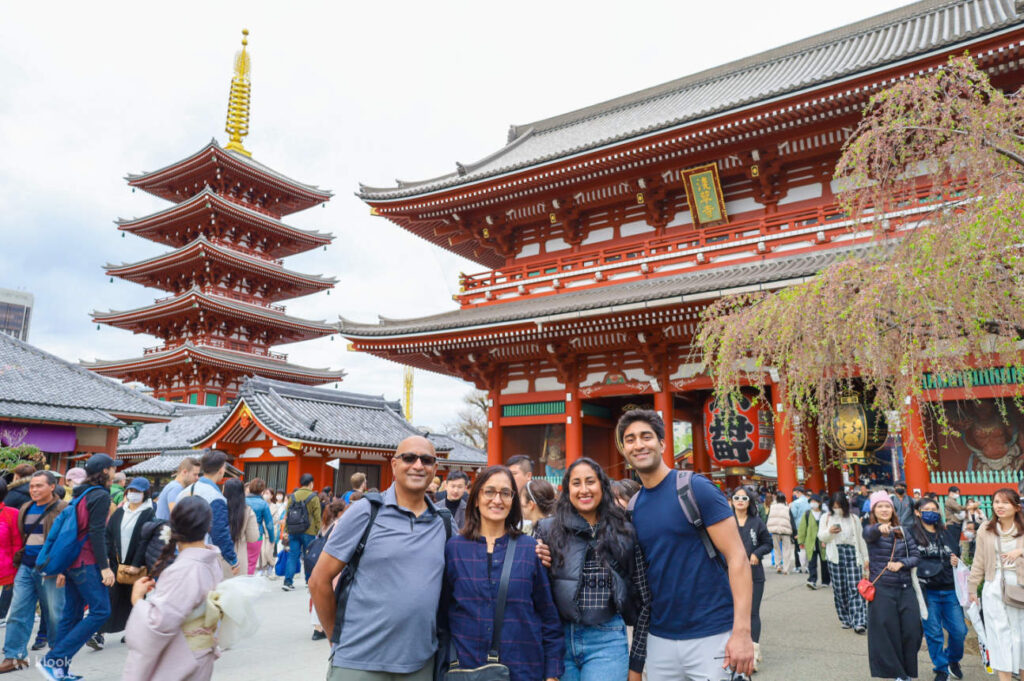
Start at Senso-ji Temple in Asakusa before 8am — the crowds arrive by 10am and the atmosphere degrades quickly. Walk the Nakamise shopping street, then cross to Ueno for the park and museum district. Evening: yakitori under the train tracks near Yurakucho station.
Day 2 — West Tokyo: Commerce, Culture, and Views
Shibuya is Tokyo’s most vibrant district. Discover the top things to do in Shibuya including the famous crossing, shopping, and nightlife. Shibuya Crossing midday (or better, from above at SHIBUYA SKY observation deck), then Shinjuku for the department stores and Shinjuku Gyoen garden. Evening in Shinjuku Kabukicho for the neon experience.
Day 3 — Tokyo Flex: Akihabara or TeamLab or Day Trip
Akihabara’s electronics district and anime culture is a specifically Tokyo experience. TeamLab Planets in Toyosu is a world-class immersive digital art installation — book tickets well in advance, as it sells out weeks ahead. Alternatively, a day trip to Nikko or Kamakura fits well on this day.
Seasonal celebrations are a major part of the travel experience, and this Japan’s cultural festivals and traditions highlights the country’s most famous events.
Food priorities in Tokyo:
- Tsukiji Outer Market sushi breakfast (from 5am)
- Tsukemen noodles in Ikebukuro
- Takoyaki and convenience store onigiri (genuinely excellent)
- Evening tempura at a counter-service restaurant
Kyoto: Where Japan Slows Down
Kyoto is the cultural and historical heart of Japan. The city holds 17 UNESCO World Heritage Sites, more traditional wooden machiya townhouses than anywhere else in the country, and the highest density of temples and shrines in Japan. A tokyo kyoto osaka tour should give you at least two full days in Kyoto — three is the correct allocation for a meaningful experience.
Fushimi Inari Taisha
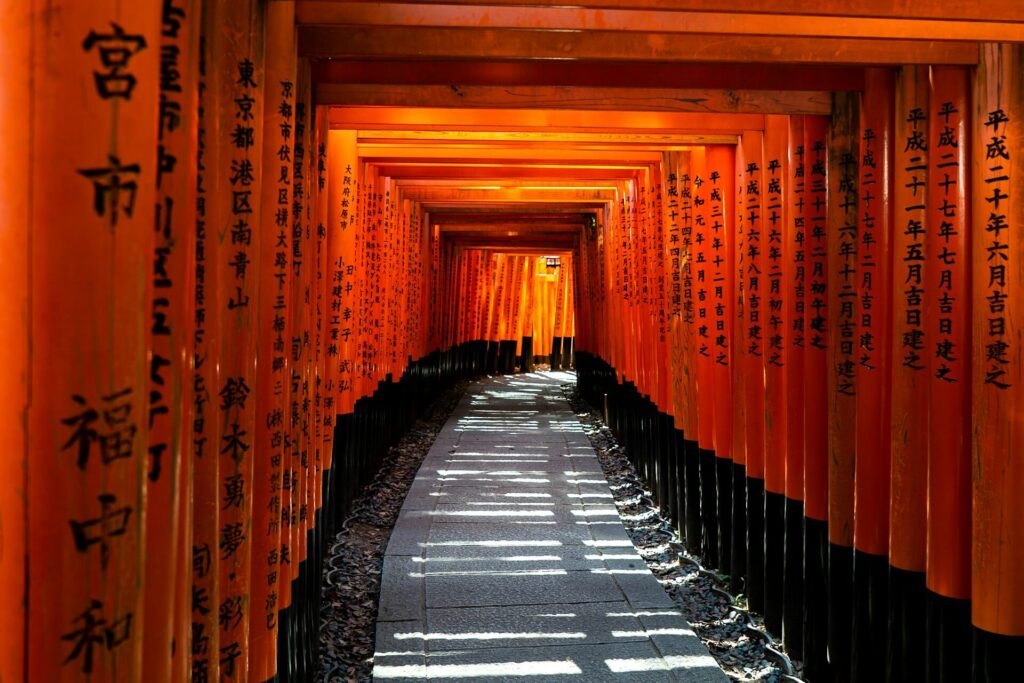
The thousands of vermilion torii gates winding up the hillside behind this shrine are Japan’s most photographed image. The practical advice is consistent: arrive before 7am. The lower gates are already active with early visitors, but the upper mountain trail is quiet, and the forested hilltop at dawn is one of Japan’s genuinely memorable travel moments.
Arashiyama District
The bamboo grove is the anchor — a 15-minute walk through towering bamboo that filters light in a way that does not photograph well but delivers in person. The surrounding area extends the experience: Tenryu-ji’s historic pond garden (a UNESCO site), the Togetsukyo bridge over the Oi River, and the quieter hillside temple of Jojakko-ji.
Gion at Dusk
Kyoto’s geisha district is most worth visiting in the late afternoon, when the preserved machiya houses are lit from within and the daytime tour groups have thinned. The Hanamikoji-dori main street is the most atmospheric. Some japan tour packages offer optional tea house experiences in Gion — book them.
Philosopher’s Walk
A 2km canal-side walking path lined with hundreds of cherry trees connecting Ginkaku-ji (Silver Pavilion) to Nanzen-ji. Spectacular during cherry blossom season; worth walking in any season for the temple stops along the route.
Osaka: Two Days of Food and Energy
Osaka is 15 minutes from Kyoto by shinkansen — close enough that many Japan travel packages treat it as a day trip. Giving it a full overnight allows a more honest experience of the city’s distinctive energy, which is noticeably different from Kyoto’s contemplative pace. You can explore Japanese street food tours with full of unique experience.
Dotonbori
Osaka’s entertainment district centers on the Dotonbori canal, lined with enormous neon signs (the Glico running man is the landmark) and street food vendors. The four essential Osaka foods: takoyaki (octopus balls), okonomiyaki (savory pancakes), kushikatsu (skewered fried food), and Osaka-style sushi (pressed rather than hand-formed).
Osaka Castle
The reconstructed castle sits in a park with good views from the upper floors. Worth a half-morning, particularly in spring when the surrounding park fills with cherry blossoms.
Kuromon Ichiba Market
Osaka’s “Kitchen” — a covered market with fresh seafood, grilled meats, and street food stalls. Goes well as a late morning stop before heading to Dotonbori in the afternoon.
Japan Cherry Blossom Tours: Season Planning
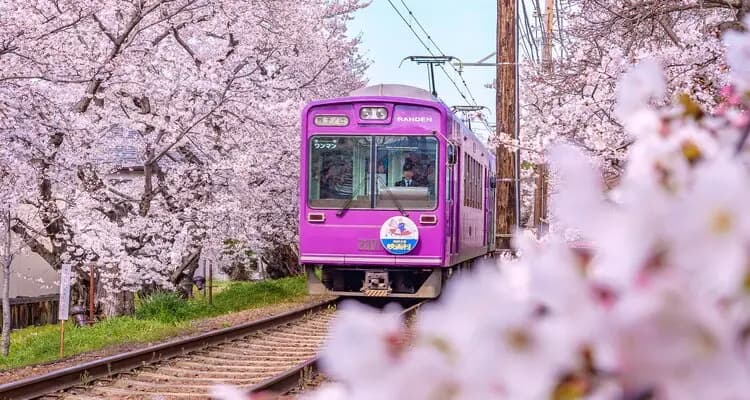
Cherry blossom season tour packages is the peak demand period for japan tours from SEA. Sakura blooms for only 7–10 days at each location, and timing shifts annually based on winter temperatures.
Bloom Timing by Region (2026 Forecast)
| Region | Approximate Peak |
|---|---|
| Kyushu (Fukuoka) | Mid-March |
| Osaka / Kyoto | Late March (28–31) |
| Tokyo | Late March (26–29) |
| Tohoku | Mid-to-late April |
Where to See Sakura on the Golden Route
Tokyo:
- Ueno Park (the classic hanami picnic spot — arrive before 11am)
- Shinjuku Gyoen (ticketed entry, no alcohol, calmer atmosphere)
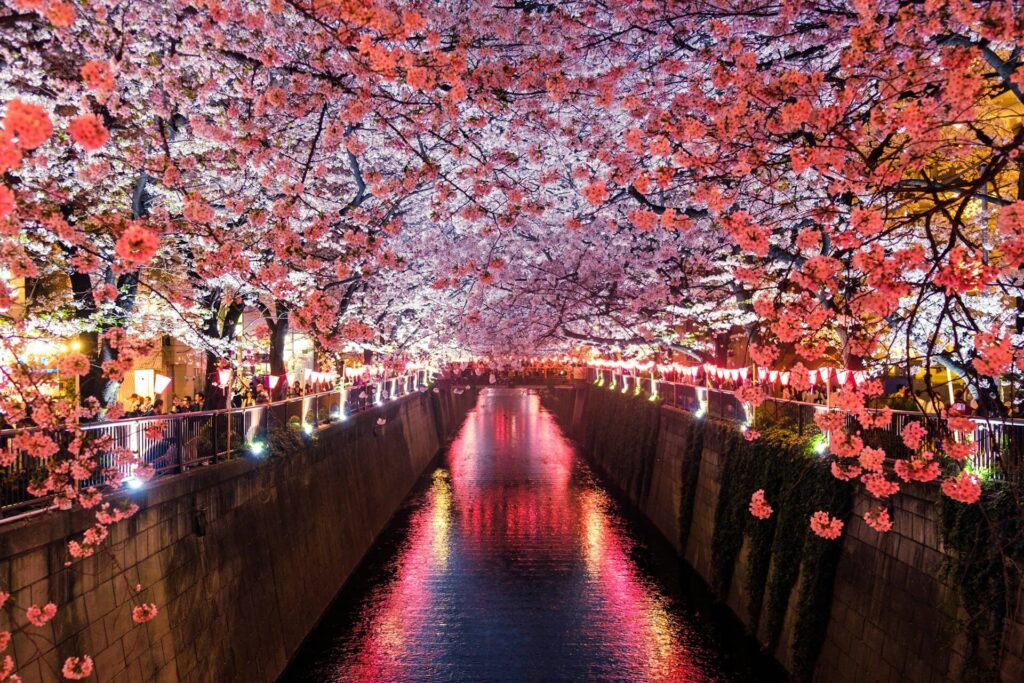
- Chidorigafuchi moat walk (sakura arching over water — arrive early morning)
Kyoto:
- Maruyama Park (famous weeping cherry tree, illuminated at night)
- Philosopher’s Walk (2km of canal-side sakura)
- Kiyomizu-dera wooden stage with city-wide sakura views
Osaka:
- Osaka Castle Park (hundreds of trees around the moat)
- Kema Sakuranomiya Park (3.5km riverside promenade)
Booking Timing for Cherry Blossom Japan Tours
Popular cherry blossom japan travel packages sell out 3–4 months in advance. For late March and early April departures:
- Begin comparing packages by November or December
- Prioritize operators with flexible date-change policies
- Ask specifically about hotel location — central Kyoto hotels during peak bloom command a significant premium and book out fastest
How to Evaluate Japan Travel Packages
The Five Questions to Ask Every Operator
- What are the hotel names? A quality japan tour package names specific properties, not just “4-star hotel in city center.”
- What is the exact group size cap? Under 16 is the benchmark for a quality experience at crowded Kyoto sites.
- Is a full 7-day JR Pass included? Verify it covers all shinkansen on the Tokyo–Osaka route.
- Which meals are included? “Breakfast included” covers a lot of variation — ask if it is hotel buffet or Japanese breakfast.
- What is the guide’s background? Japan-based licensed guides with regional specialization are significantly better than generic tour guides.
What Separates Good Japan Tours from Great Ones
The difference is in the logistics that travellers rarely think about until they are on the ground:
- Morning timing at crowded sites: Operators who schedule Fushimi Inari or Arashiyama before 8am show they understand Japan
- Restaurant choices: Group tours at tourist restaurants versus operator-sourced local restaurants — the gap in food quality is enormous
- Free time allocation: Rigid schedules that leave no room for wandering are a sign of a mediocre package
- JR Pass type: Some packages include passes that exclude certain shinkansen routes — read the fine print
Traveling with friends or family? Our guide to planning a group trip to Japan covers itineraries and booking tips for groups.
Beyond the Golden Route: Japan Tour Extensions Worth Adding
Hakone (1–2 Days)
Hakone sits on the shinkansen route between Tokyo and Kyoto — a natural overnight stop. The appeal: mountain ryokan stays with outdoor onsen hot springs, Mount Fuji views on clear days (check weather forecasts — this is not guaranteed), and the Hakone Open-Air Museum. Even one night in a traditional ryokan with kaiseki dinner and onsen access significantly changes the feel of a Japan trip.
Hiroshima and Miyajima (2 Days)
While Tokyo and Kyoto are must-sees, consider exploring off the beaten path destinations in Japan for a more unique experience. Hiroshima’s Peace Memorial Museum and Atomic Bomb Dome are among the most affecting places in Asia — not heavy in a difficult way, but genuinely moving and important. Miyajima Island, 30 minutes by ferry, adds the iconic floating torii gate of Itsukushima Shrine. A 2-day Hiroshima–Miyajima add-on integrates cleanly into any tokyo kyoto osaka tour by positioning it between Kyoto and the return shinkansen to Tokyo.
Nara (Half Day from Kyoto or Osaka)
Nara is 45 minutes from Kyoto by express train. Free-roaming deer wander the park around Todai-ji temple, which houses one of Japan’s largest bronze Buddha statues. Most japan tour packages include Nara as a half-day excursion from Kyoto — it works well as a morning activity before an afternoon of Kyoto temple visits.
Hokkaido (Separate Trip)
Hokkaido is a destination in its own right rather than a Golden Route extension. Niseko offers world-class powder skiing in winter, Sapporo hosts the famous Snow Festival each February, and Shiretoko National Park offers drift ice tours. Consider Hokkaido as a standalone 5–7 day trip rather than an add-on to a Tokyo–Kyoto package.
Practical Travel Information for Japan Tours
Getting Around Japan
Shinkansen: The backbone of any tokyo kyoto osaka tour. Tokyo to Kyoto takes 2 hours 15 minutes on the Nozomi; Kyoto to Osaka is 15 minutes. A 7-day JR Pass (approximately ¥50,000 / USD 330) is cost-effective for trips covering both routes.
IC Cards: Load a Suica or Pasmo card at any major station. These cover all subways, local trains, buses, and many convenience store purchases. Eliminates the need to buy individual tickets for every journey.
Taxis: Use for short hops or late-night travel only. Expensive for longer distances.
Money and Payments
Japan remains significantly cash-dependent compared to Singapore or other SEA cities. Convenience stores (7-Eleven, FamilyMart, Lawson) have international ATMs. Budget at least ¥10,000–¥15,000 in cash for each day as backup, even if you primarily use card and IC card for larger purchases.
Cultural Norms on Japan Tours
- Remove shoes in ryokans, traditional restaurants, and some temples
- No phone calls on trains — texting is fine, calls are considered rude
- Queue in the marked lines on train platforms — the system works because everyone follows it
- Tipping is not practiced and can cause confusion
- Trash cans are rare in public spaces — carry a small bag for wrappers and packaging
FAQ
How long do Japan tours typically last?
The standard Tokyo–Kyoto–Osaka tour runs 7–8 nights. Three nights in Tokyo, two to three nights in Kyoto, and one night in Osaka covers the core experiences. A 10-night version adds meaningful extension options: Hakone, Hiroshima, or Nara with more breathing room. Fourteen nights allows Hokkaido or Kyushu to be added as a separate segment.
What is the best season for Japan travel packages?
Cherry blossom season (late March to early April) is the most spectacular and the most expensive. Autumn foliage (mid-November) is the strongest value alternative — comparable visual drama, fewer crowds, lower prices. Summer (July–August) is lively with festivals but hot and humid. Winter in Tokyo and Kyoto is cold but manageable, and offers the best prices for the Golden Route.
How much do Japan travel packages cost from Southeast Asia?
Mid-range all-inclusive Japan travel packages from SEA — including return flights, 3–4 star accommodation, JR Pass, and guided tours — typically range from USD 1,200 to USD 1,800 for 7 nights. Cherry blossom and New Year packages sit at the top of that range or above. Japan can be affordable with the right strategies. Check our budget travel tips for Asia for money-saving techniques across Asia.
Do I need a visa for Japan tours?
Citizens of 68+ countries, including Singapore, Malaysia, Thailand, and South Korea, enter Japan visa-free for tourism stays up to 90 days. Indonesian, Vietnamese, and Philippine passport holders currently require advance visa applications through the Japanese consulate. Check the Japan National Tourism Organization (JNTO) website for the current visa exemption list, as it updates periodically.
What is typically included in japan travel packages?
Standard inclusions: return flights, airport transfers, accommodation (3–5 star depending on tier), a 7-day JR Pass, English-speaking guide, and some meals (usually breakfasts and select group dinners). Entrance fees, personal shopping, and most lunches are generally excluded. Premium packages add ryokan stays, private guide days, and exclusive cultural experiences like tea ceremonies or sake brewery tours. Compare japan tour packages on FindTourGo to see full inclusions side by side.
Ready to Find Your Perfect Japan Tour?
Tokyo’s controlled chaos. Kyoto’s temple stillness at dawn. Osaka’s late-night street food energy. The right japan tour packages sequence these into a trip that feels designed rather than improvised.
Browse verified Japan tours and travel packages on FindTourGo — compare 200+ operators, real itineraries, transparent pricing, and departure options across Southeast Asia.
Planning from Singapore? Our dedicated guide covers departure options, SGD budget breakdowns, and Singapore-specific booking tips: Japan Tour Packages from Singapore: 2026 Guide