Japan Tour Packages from Singapore: Osaka, Kyoto & Tokyo Guide 2026
15 minutes
9/15/2025
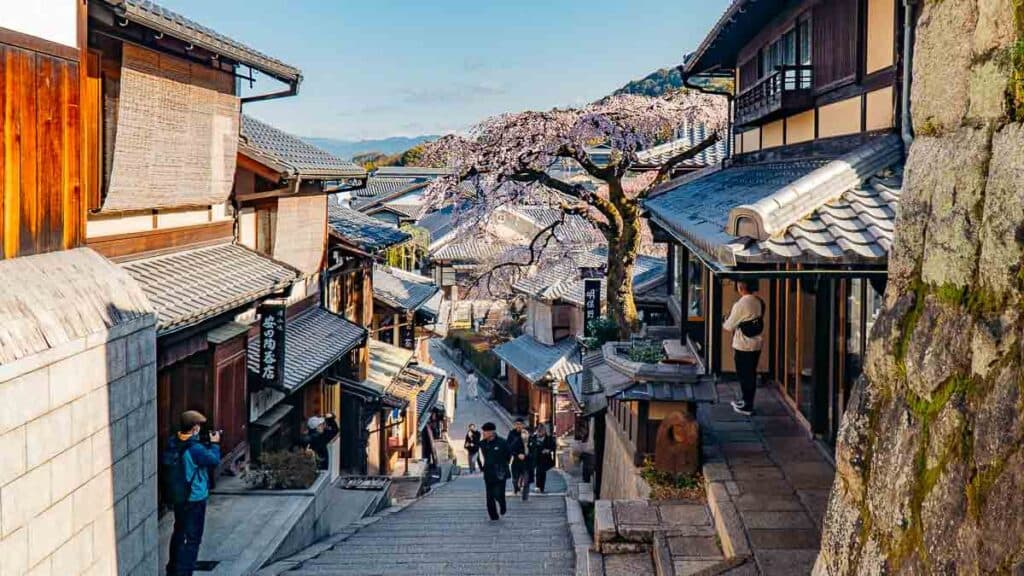
Picture this: landing in Tokyo on a crisp morning, taking the express into a skyline that feels both futuristic and ancient at once — knowing that in seven days you will have walked through a thousand-year-old bamboo grove, eaten the best ramen of your life, and watched cherry blossoms drift over a temple pond at dusk.
Comprehensive Japan tour packages guide make that journey surprisingly straightforward to plan. No visa. Seven hours by direct flight. A strong SGD that keeps Japan genuinely affordable even on mid-range budgets. The only real question is which itinerary fits the trip you actually want to take.
Ready to compare? Browse 200+ verified Japan tour packages from Singapore on FindTourGo — real itineraries, transparent pricing, no guesswork.
This guide covers every route worth knowing, what a realistic budget looks like in SGD, how to spot a good package from a mediocre one, and when to go for cherry blossoms or autumn foliage. By the end, you will know exactly what to look for — and where to book with confidence.
Japan Tour Package Routes from Singapore: Which Itinerary Is Right for You?
Three main formats dominate the Singapore market. Here is how they compare before diving into the details of each:
| Package Type | Duration | Best For | All-in Price (SGD/pax) |
|---|---|---|---|
| Golden Route | 7 days | First-timers, culture-focused | S$2,500 – S$3,800 |
| Extended Itinerary | 10 days | Return visitors, deeper exploration | S$3,500 – S$5,000 |
| Hokkaido Winter | 8–9 days | Snow seekers, adventure travellers | S$3,200 – S$4,800 |
| Cherry Blossom Special | 7–10 days | Seasonal bucket-list trips | S$3,800 – S$5,500 |
Prices include return flights from Singapore, 3–4 star accommodation, JR Pass and English-speaking guide. Cherry blossom packages carry a 20–40% seasonal premium.
The 7-Day Golden Route: Tokyo + Kyoto + Osaka
The classic japan tour package from Singapore — and for good reason. Three days in Tokyo, two to three in Kyoto, and a half-day in Osaka before flying home. This is the itinerary that most first-timers describe as the trip that made them want to come back.
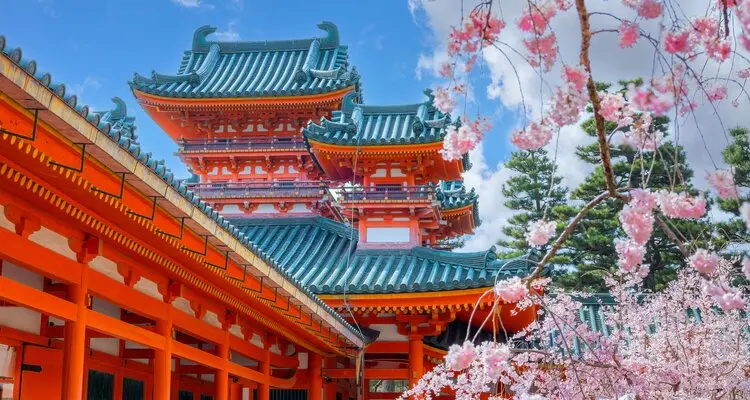
Sample 7-Day Golden Route Itinerary
| Day | City | Highlights |
|---|---|---|
| 1 | Tokyo | Arrive Narita/Haneda, Shibuya Crossing evening |
| 2 | Tokyo | Senso-ji Asakusa (before 8am), Harajuku, Shinjuku night views |
| 3 | Tokyo | TeamLab Planets, Tsukiji Outer Market breakfast, Omotesando |
| 4 | Kyoto | Shinkansen (2.5h), Fushimi Inari (before 7am), Gion at dusk |
| 5 | Kyoto | Arashiyama Bamboo Grove, Kinkaku-ji, Nishiki Market |
| 6 | Osaka | Dotonbori street food, Osaka Castle, Kuromon Ichiba |
| 7 | Depart | Osaka Kansai Airport or shinkansen to Tokyo |
See a real example of this format: 7D6N Jewel of Japan — SG departure
10-Day Extended Japan Package
A 10-day package opens up destinations that the Golden Route simply does not have time for. Three of the most popular extensions:
- Hakone — Mountain ryokan stays with Mount Fuji views and outdoor onsen. Even one night changes the tone of the whole trip.
- Hiroshima and Miyajima — The Peace Memorial Museum and the floating torii gate of Itsukushima Shrine. One of Japan’s genuinely iconic images, best at high tide.
- Nara — Free-roaming deer and the great Todai-ji Buddha Hall, a short train ride from Kyoto and usually included as a day-trip.
A well-structured example: 9D7N Western Japan Odyssey — SG departure
Hokkaido Winter Packages
For Singaporeans who want cold weather — genuinely cold, the kind that comes with powder snow and frozen lake walks — Hokkaido winter packages deliver something Southeast Asia cannot. Niseko offers some of Asia’s best skiing. Sapporo’s Snow Festival in February draws visitors from across the world. Shiretoko National Park’s drift ice walks feel like another planet entirely.
Two verified Hokkaido options from Singapore: 9D7N Hokkaido Winter Escape and 8D6N Classic Hokkaido.
Cherry Blossom Japan Tours from Singapore: What You Need to Know
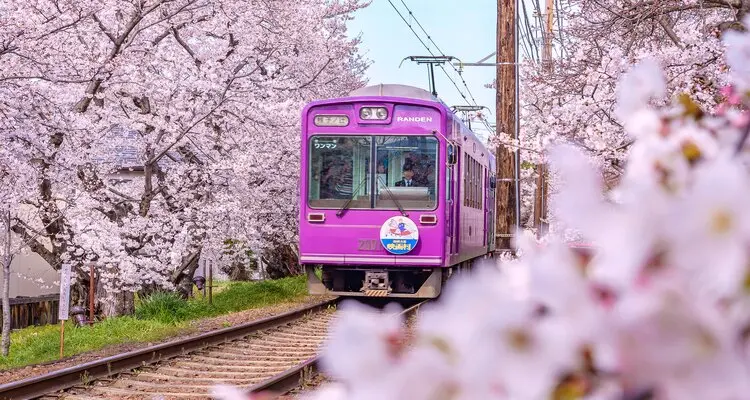
Cherry blossom season is the most competitive time to plan your cherry blossom tour. Sakura blooms for only 7–10 days per location, and the timing shifts each year based on winter temperatures — so a fixed departure date carries real risk if you are optimising for peak colour.
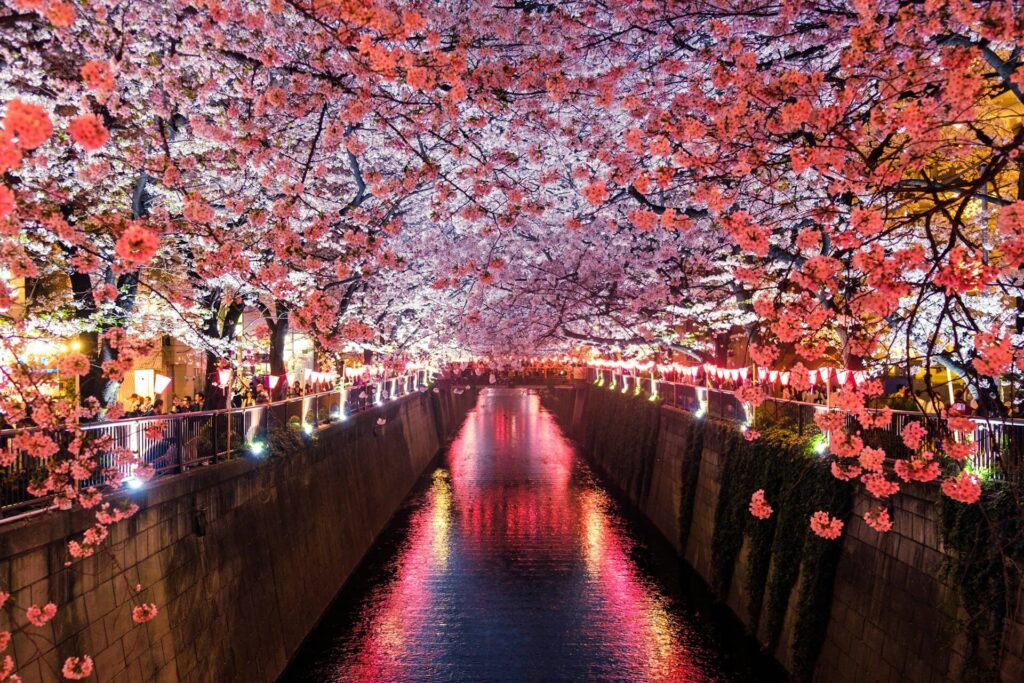
2026 Bloom Forecast (approximate)
| Region | Bloom Start | Estimated Peak |
|---|---|---|
| Fukuoka and Kyushu | Mid-March | 20–25 March |
| Osaka and Kyoto | Late March | 28 March – 3 April |
| Tokyo | Late March | 26 March – 2 April |
| Tohoku | Mid-April | 14–20 April |
| Hokkaido (Sapporo) | Late April | 28 April – 5 May |
Dates shift 3–7 days each year. Check the Japan Meteorological Corporation’s sakura forecast closer to departure.
Key planning rules:
- Book 6–9 months ahead — popular late-March and early-April departures from Singapore sell out well before the season
- Look for packages that follow the bloom north rather than fixing on one city, since the front moves from Kyushu to Tohoku over six weeks
- Prime viewing spots: Ueno Park and Shinjuku Gyoen in Tokyo; Maruyama Park in Kyoto; Osaka Castle Park
If budget is a concern: Late November offers comparable visual drama — red and gold maple foliage at the same temples and parks — with fewer crowds and noticeably better pricing.
Japan Travel Budget Guide for Singaporeans
Understanding what costs what helps you judge whether a package price is genuinely fair value.
Daily costs in Japan (SGD, mid-range)
| Category | Daily Budget |
|---|---|
| Accommodation (3–4 star hotel) | S$80 – S$150 |
| Meals (mix of convenience stores and restaurants) | S$30 – S$50 |
| Local transport (IC card + day passes) | S$10 – S$25 |
| Entry fees and activities | S$15 – S$40 |
| 7-day total (excluding flights) | S$945 – S$1,855 |
Flights from Singapore: S$350–S$600 (budget, one-stop) to S$700–S$1,000+ (full-service, direct). Direct Singapore Airlines and Scoot flights to Tokyo Narita or Haneda run 7 hours; direct to Osaka Kansai runs 6.5 hours.
All-inclusive package pricing at a glance:
| Duration | Typical Price (SGD/pax) | What’s Included |
|---|---|---|
| 7 days | S$2,500 – S$3,800 | Flights, 3–4 star hotel, JR Pass, guide, some meals |
| 10 days | S$3,500 – S$5,000 | As above + extra cities or Hakone/Hiroshima |
| Cherry blossom 7–10 days | S$3,800 – S$5,500 | As above + seasonal premium |
| Hokkaido winter 8–9 days | S$3,200 – S$4,800 | As above + snow/ski activities |
Independent budget travel — flying separately and booking accommodation yourself — is achievable for S$1,500–S$2,500 for a 7-day trip. That said, the value of a good package lies less in cost savings and more in logistics: JR Pass, transfers, local guide expertise, and the confidence that comes with verified operators.
Compare packages: Browse Japan tour packages from Singapore on FindTourGo — filter by season, duration and group size.
Osaka Tour Package Singapore: Best Itineraries, Prices & Travel Tips
For travelers from Singapore, an Osaka tour package is a convenient way to explore Japan’s Kansai region without having to plan every detail yourself. Osaka is known for its lively atmosphere, delicious food, shopping streets and iconic attractions, while its convenient location makes it an ideal base for exploring nearby destinations such as Kyoto, Nara and Kobe.
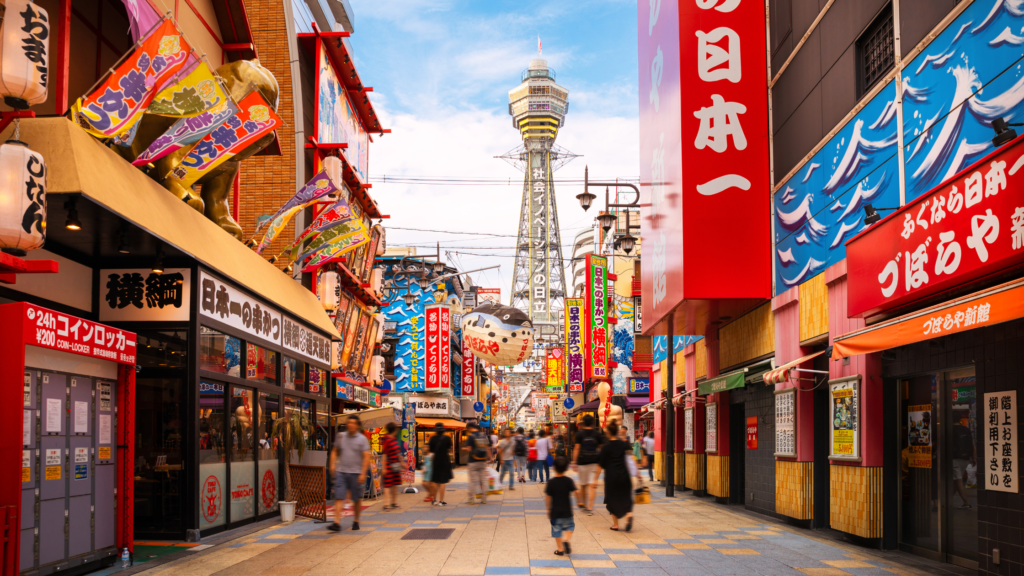
Whether you’re planning a short getaway or a longer Japan holiday, choosing an Osaka tour package from Singapore allows you to combine Osaka with other popular destinations and experience more of Japan in one trip.
How Many Days Do You Need for an Osaka Tour?
The ideal length of your Osaka trip depends on how many destinations you want to visit. A short 4–5 day itinerary is enough to experience Osaka and take a day trip to Kyoto or Nara. However, if you are visiting Japan for the first time, a 7-day itinerary can offer a more complete experience by combining Osaka with Kyoto and Tokyo.
Here are some popular itinerary ideas:
4–5 Days: Osaka & Kyoto
Perfect for travelers who want to focus on the Kansai region. Explore Osaka’s famous food scene and vibrant neighborhoods, then discover Kyoto’s temples, traditional streets and cultural heritage.
5–6 Days: Osaka, Kyoto & Nara
This itinerary combines three of Kansai’s most popular destinations. From Osaka, you can easily travel to Kyoto and Nara for day trips, making it a great choice for first-time visitors who want to experience both modern and traditional Japan.
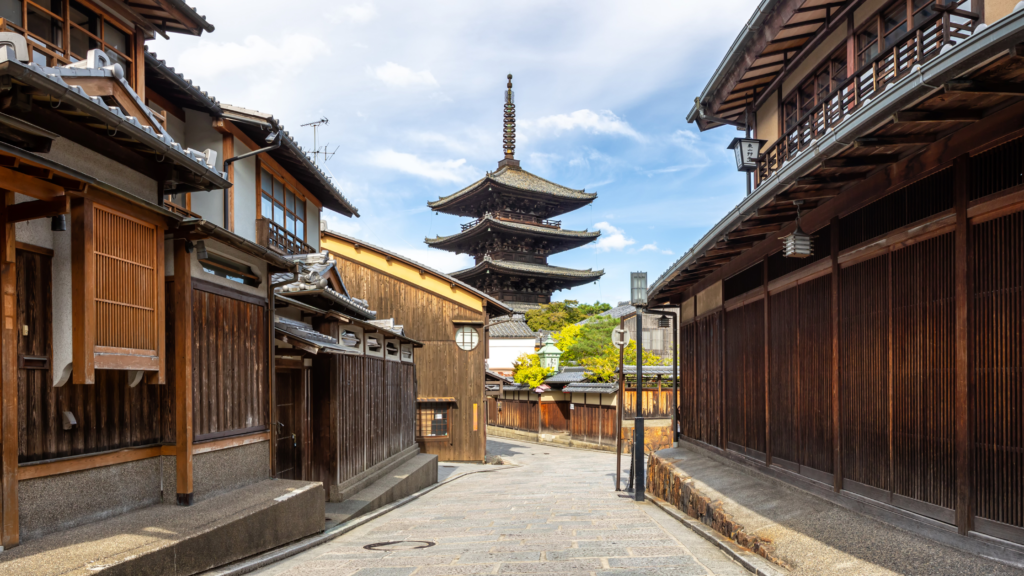
7–10 Days: Osaka, Kyoto & Tokyo
For a more comprehensive Japan holiday, combine Osaka and Kyoto with Tokyo. This popular Golden Route allows you to experience the contrast between Osaka’s energetic atmosphere, Kyoto’s historic charm and Tokyo’s modern city life.
What to Expect from an Osaka Tour Package from Singapore
An Osaka package tour from Singapore typically includes accommodation, transportation and sightseeing, although the exact inclusions vary depending on the tour provider. Some packages focus entirely on Osaka and the Kansai region, while others include Osaka as part of a wider Japan itinerary.
Depending on your chosen package, you may visit popular attractions such as Dotonbori, Osaka Castle and the bustling streets of Shinsekai. Food lovers can also enjoy Osaka’s famous local specialties, including takoyaki and okonomiyaki.
For families, adding Universal Studios Japan to an Osaka itinerary is another popular option. Meanwhile, travelers interested in Japanese culture can combine Osaka with Kyoto and Nara to explore temples, shrines and traditional neighborhoods.
Compare packages: Browse Osaka tour packages from Singapore on FindTourGo — filter by season, duration and group size.
When Is the Best Time to Visit Osaka?
Osaka is a year-round destination, but each season offers a different travel experience.
Spring is one of the most popular times to visit, especially during the cherry blossom season. Parks and historic areas around Osaka and nearby Kyoto become particularly scenic, although flights and accommodation can be more expensive during peak periods.
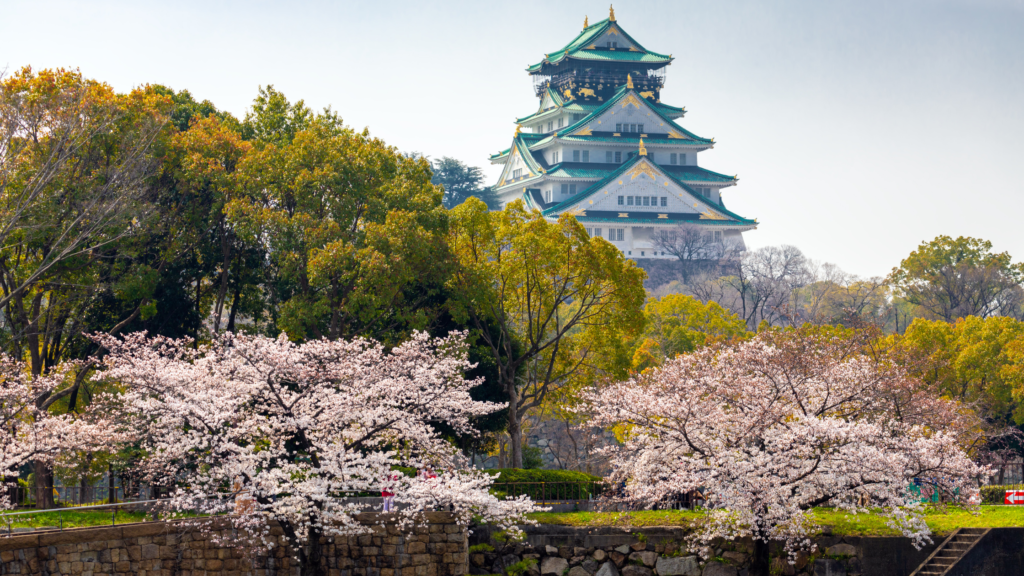
Summer is ideal for travelers who enjoy festivals and lively events, but the weather can be hot and humid. It is also a good season for families planning a visit to Universal Studios Japan.
Autumn brings cooler temperatures and colorful foliage, making it a great time to combine Osaka with Kyoto and Nara. The region’s temples, gardens and historic streets are especially beautiful during this season.
Winter is generally quieter and can be a good choice for travelers looking for a more relaxed holiday. You can also combine an Osaka trip with a winter itinerary to destinations such as Hokkaido or the Japanese Alps.
Osaka Tour Package vs. Independent Travel
For travelers from Singapore, both package tours and independent trips have their advantages. An Osaka tour package can save time and simplify the planning process, especially for first-time visitors or families traveling together. Transportation, hotels and sightseeing arrangements may already be organized, allowing you to focus on enjoying your holiday.
Independent travel, on the other hand, gives you more flexibility to choose your own hotels, attractions and travel schedule. This can be a good option for experienced travelers who prefer to explore Osaka at their own pace.
The best choice depends on your travel style, budget and itinerary. If you want a hassle-free holiday with multiple destinations, a package tour can be a convenient option. If you prefer maximum flexibility, you may want to build your own itinerary and use an Osaka tour package as inspiration.
Find the Right Osaka Tour Package from Singapore
Whether you want to explore Osaka’s vibrant food culture, visit Universal Studios Japan or discover the historic cities of Kyoto and Nara, there are many ways to plan your Japan holiday from Singapore.
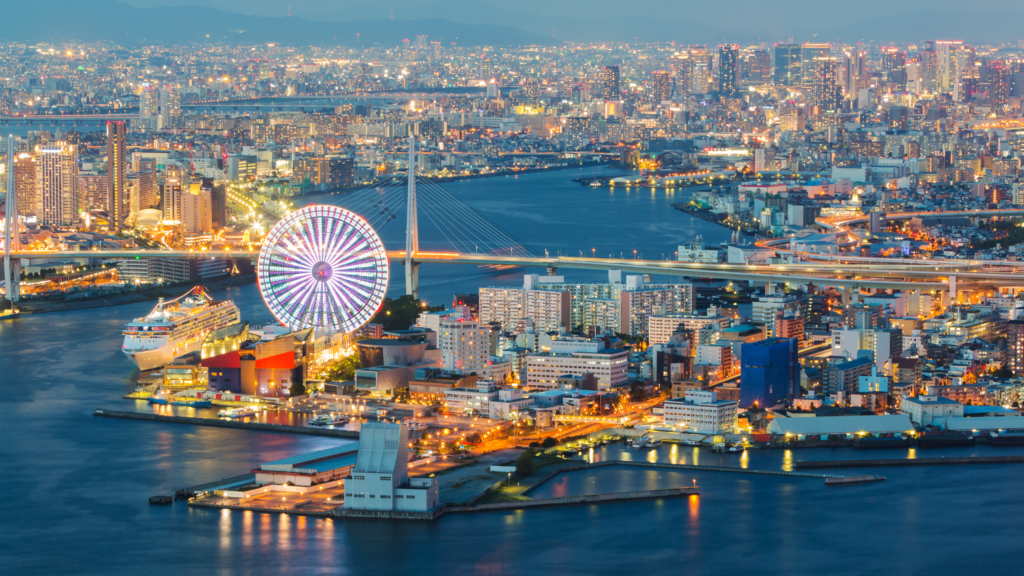
Instead of choosing a package based only on price, compare the itinerary, hotel location, transportation, included attractions and free time. A well-planned Osaka tour package from Singapore can help you experience more of Japan while making your trip easier and more convenient.
Explore available Japan tour packages on Findtourgo to compare different itineraries and connect with travel agents for a trip that matches your travel plans.
How to Evaluate Japan Tour Packages from Singapore
Not all packages are equal. These five criteria separate good tours from those that look similar on paper but disappoint in practice:
Itinerary transparency. First and most important: a reputable operator provides specific hotel names, daily schedules and which meals are included — not “breakfast provided” without detail. Ask for the full day-by-day breakdown before committing. If an operator is vague on specifics, that vagueness usually reflects the product itself.
Group size. Beyond transparency, group size matters more than most people realise. Smaller groups (12–16 people) move faster, eat at better local restaurants and get more time at each site. Groups of 25 or more tend to feel rushed, particularly at concentrated spots like Fushimi Inari and Arashiyama. It is worth asking before you book.
JR Pass inclusion. That said, inclusions make or break a package. A 7-day Japan Rail Pass costs approximately ¥50,000 (around S$460). If the package includes it, verify it is a genuine nationwide JR Pass rather than a regional pass that limits shinkansen access. This distinction matters if your itinerary crosses multiple regions.
Guide quality. However, the single biggest differentiator between good and great packages is guide quality. A licensed bilingual specialist who is Japan-based rather than flying in from Singapore makes a genuine difference at culturally dense sites. Ask specifically — the answer tells you a lot about the operator.
Flight pairing. Finally, check the flight pairing carefully. Some packages use budget carrier connections with inconvenient layovers to keep the headline price down. For a trip of this length, direct Singapore Airlines or Scoot flights are worth a modest premium — particularly on overnight outbound departures.
Practical Tips for Singaporeans Visiting Japan
Visa and Entry
Singaporean passport holders enjoy visa-free entry to Japan for up to 90 days for tourism. No pre-application is required — clear immigration on arrival with your passport, a return ticket and accommodation confirmation. For the latest entry conditions, check the Japan Tourism Agency’s official visitor information.
Getting Around in Japan
- Shinkansen — The bullet train network links Tokyo, Kyoto, Osaka, Hiroshima and beyond. A 7-day JR Pass is cost-effective when your itinerary crosses multiple cities.
- IC Cards (Suica or Pasmo) — Load these at airport machines for subway, bus and convenience store payments. They work across Japan and eliminate most cash transactions during the trip.
- Taxis — Expensive for long distances, but useful for short late-night hops when trains stop running around midnight.
Cultural Etiquette
A few specific norms differ from Singapore and are worth knowing before you arrive:
- Remove shoes before entering homes, traditional restaurants and most ryokans
- Keep voices low on public transport; phone calls on trains are considered inconsiderate
- Tipping is not practised and can cause genuine confusion — do not do it
- Queue in the marked lines on train platforms; this is observed consistently and seriously
Language
English signage is widespread at major train stations, airports and tourist attractions throughout Japan. However, Google Translate’s camera mode handles menus and street signs fluently, and learning a few phrases — arigatou gozaimasu (thank you), sumimasen (excuse me) — adds warmth to every interaction.
Authentic Experiences Worth Adding to Your Japan Package
Looking beyond Tokyo and Kyoto? Explore off the beaten path destinations for unique, less crowded experiences. Standard packages cover the headline sites well. These additions are what make a trip genuinely memorable rather than just well-ticked:
Ryokan stay. A traditional inn with tatami rooms, futon bedding, multi-course kaiseki dinner and private or communal onsen. Even one night — ideally in Hakone or the Kyoto countryside — shifts your experience of Japan in a way that is hard to describe before you have done it. Most operators can add this as an upgrade.

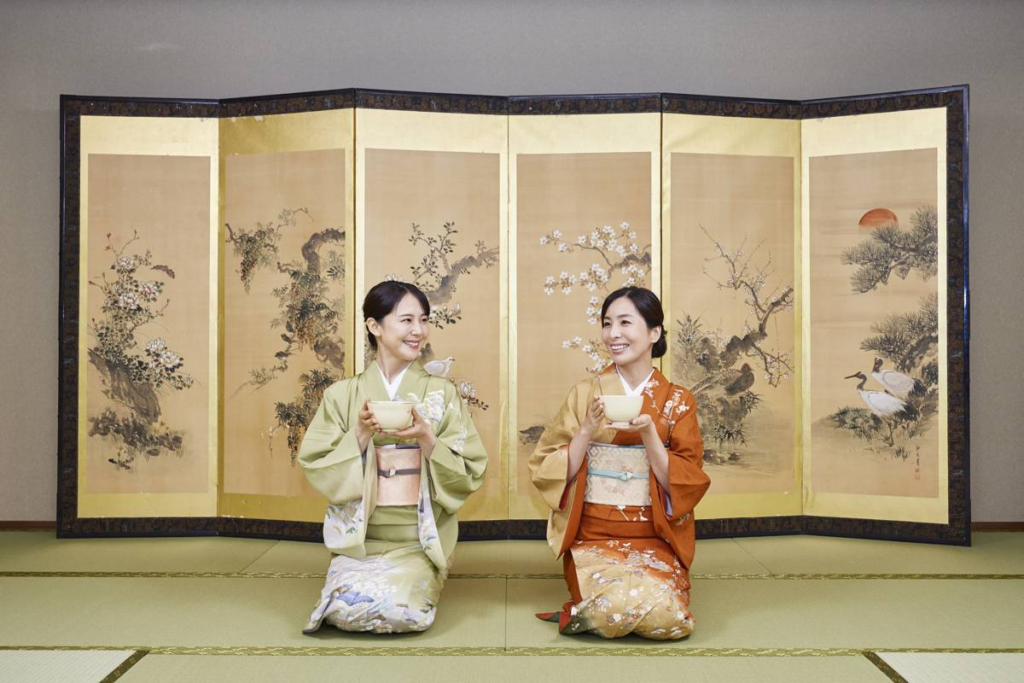
Tea ceremony. Hands-on 30–60 minute sessions are available across Kyoto’s Gion and Higashiyama districts. Choose a smaller session (under 10 people) where you actually prepare your own matcha rather than watching a demonstration. For cultural context, our Japan Cultural Immersion & Festivals guide is a useful read before you go.
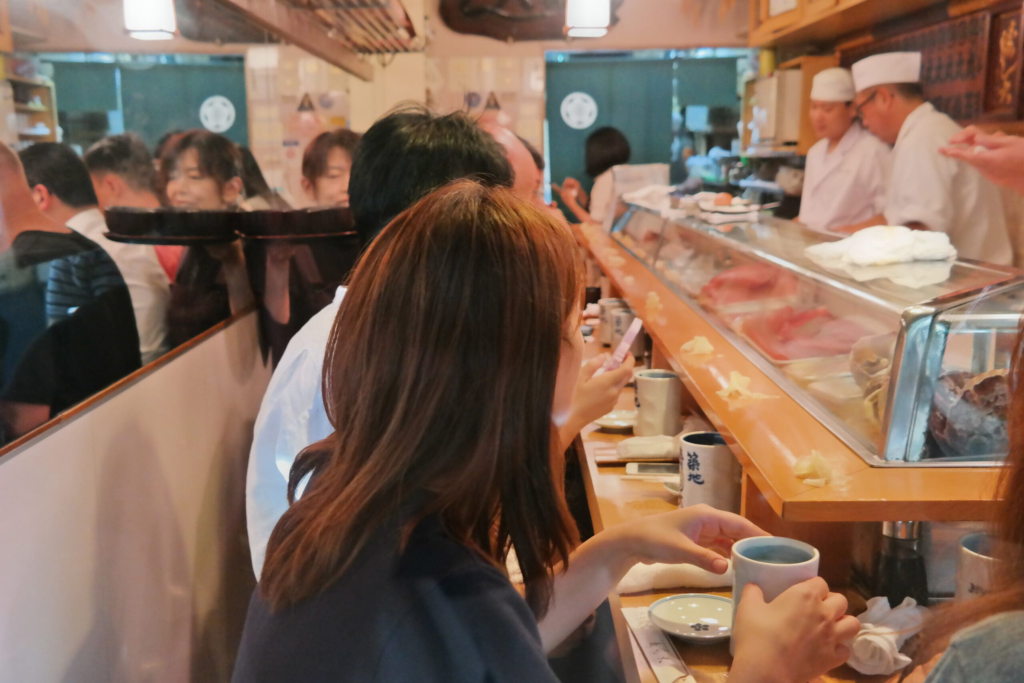
Tsukiji Outer Market breakfast. Tokyo’s wholesale market relocated, but the Outer Market remains — fresh sushi counters open from 5am, and the atmosphere before the crowds arrive has no equivalent elsewhere in the city.
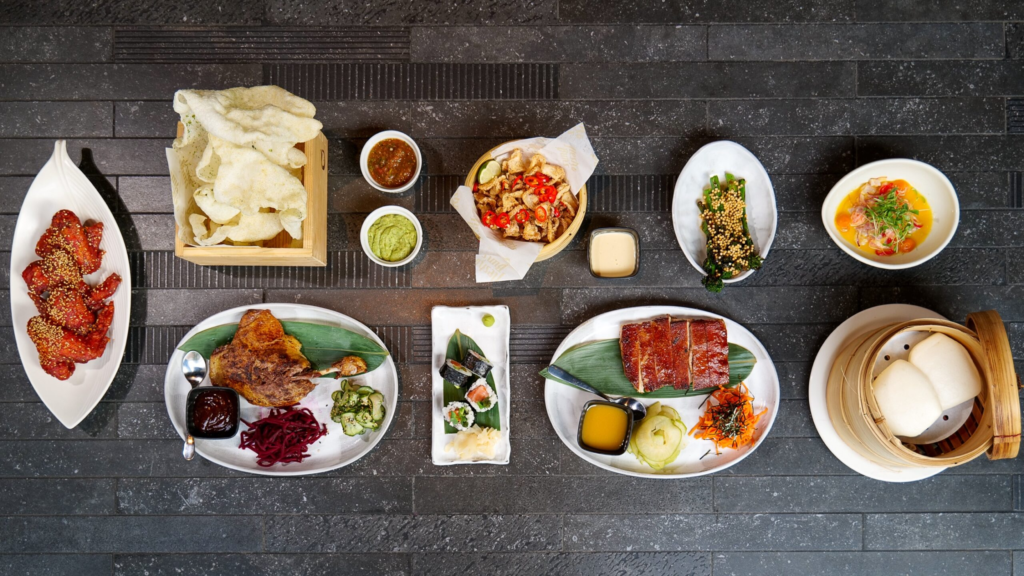
Izakaya dinner. Skip the hotel restaurant one evening and walk into a neighbourhood izakaya (casual Japanese pub). Point-and-order picture menus make it easy, the food quality is reliably high, and the experience is far more local than any group dinner. Beyond restaurants, authentic Japanese food tours offer the best way to discover Tokyo, Osaka, and Kyoto’s hidden culinary gems.
Cooking class. Half-day sushi or ramen-making sessions are popular add-ons in both Tokyo and Kyoto. Most operators can arrange these with a day or two of advance notice.
Why Book Your Japan Tour Through FindTourGo?
- 200+ verified Japan packages from Singapore-based and Japan-based operators — compared in one place
- Side-by-side comparison — filter by price, duration, season, group size and inclusions
- Verified operators only — every operator is reviewed before listing; no unvetted agents
- Transparent pricing — real itineraries, real costs, no hidden fees at checkout
- Multi-language support — English, Japanese, Vietnamese, Chinese, Indonesian
Frequently Asked Questions
Do Singaporeans need a visa for Japan?
No. Singaporean citizens enjoy visa-free entry to Japan for up to 90 days for tourism. No advance application is required — arrive with a valid passport, return ticket and accommodation confirmation.
What is the best time for Singaporeans to visit Japan?
Cherry blossom season (late March to early April) is the most spectacular but also the most expensive and heavily booked. Autumn (mid-November) offers equally striking maple foliage with fewer crowds and better pricing. Summer festivals (July–August) are lively; Hokkaido delivers world-class snow experiences in winter.
How much does a Japan tour package from Singapore cost?
All-inclusive 7-day packages typically run S$2,500–S$3,800 per person, including flights, accommodation, JR Pass and guided tours. Cherry blossom season packages reach S$3,800–S$5,500. Independent budget travel for the same 7 days is achievable for S$1,500–S$2,500 total.
How far in advance should I book for cherry blossom season?
Book 6–9 months ahead. Popular late-March and early-April departures from Singapore sell out well before the season. If you miss the best dates, operators sometimes release last-minute spots — however availability is limited and hotel tier is often lower.
What does a typical Japan tour package from Singapore include?
Most mid-range packages include return flights, airport transfers, 3 or 4-star accommodation, a 7-day JR Pass, English-speaking guide, and select meals (typically breakfasts and some group dinners). Entrance fees, personal shopping and most lunches are excluded. Always request the full inclusions list before booking.
Can I customise a Japan tour package from Singapore?
Yes. Most operators on FindTourGo offer both fixed-departure group tours and private itineraries that can be adjusted by duration, hotel tier and specific activities. Filter for “private tour” to see flexible options.
Plan Your Japan Trip from Singapore
From the moment the airport express pulls into Tokyo to the last temple at dusk — Japan rewards every Singaporean who makes the journey. Whether you are chasing cherry blossoms in Kyoto, powder snow in Hokkaido, or the perfect bowl of ramen, there is a package built precisely for that trip.
Maximize your travel budget with these budget travel strategies for Asia that work across Japan and Southeast Asia.
Sources: Japan National Tourism Organization — JNTO | Japan Tourism Agency | Japan Meteorological Corporation