Japan Tour Packages: Tokyo, Kyoto & Cherry Blossom 2026
9 minutes
3/4/2026
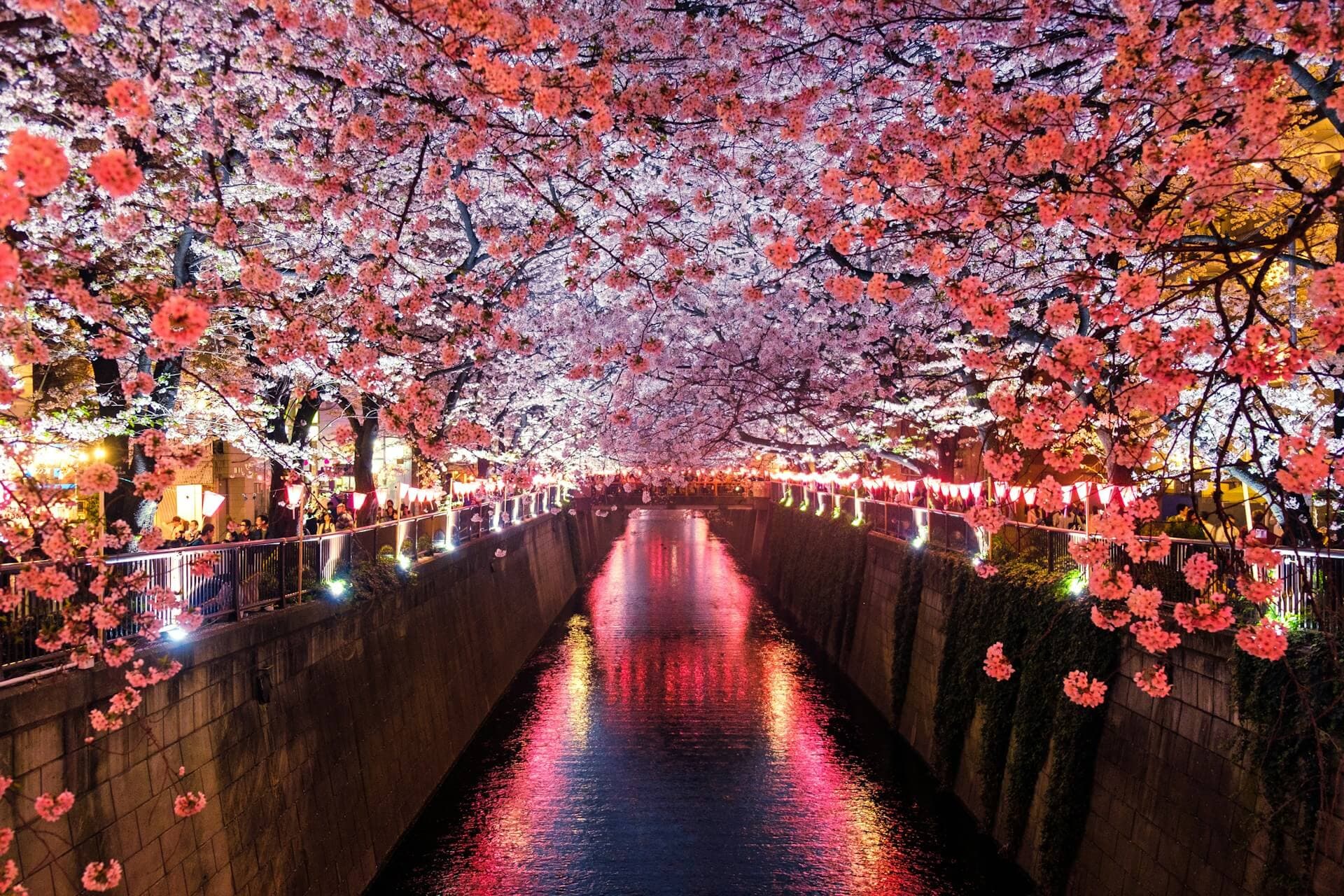
Japan tour packages built around the Tokyo–Kyoto route account for the majority of all Japan travel bookings from Southeast Asia — and the cherry blossom season pushes that number even higher. If you are planning a Japan trip for 2026, you are likely weighing the classic itinerary against a dozen operator options that all look similar on the surface.

The difference between a forgettable group tour and an outstanding Japan experience comes down to a few specific decisions: which season you travel, how your tokyo kyoto tour package is structured, whether your operator knows the difference between a good Fushimi Inari morning and a crowded one, and whether the cherry blossom dates your package is built around actually match the bloom forecast.
This guide cuts through the noise. It covers how to choose the right Japan tour package, what to expect in Tokyo and Kyoto, how to plan around cherry blossom season, and which extensions are worth the extra days. By the time you finish reading, you will know exactly what to prioritize.
How to Choose the Right Japan Tour Package
What Good Operators Show You Upfront
The single clearest sign of a quality Japan tour package is itinerary transparency. Strong operators list specific hotels (not just star ratings), daily schedules with estimated timings, which meals are included, and exact JR Pass coverage. Vague itineraries that say “Kyoto sightseeing” without naming sites or “hotel in central area” without naming the property are red flags.
Ask these questions before booking:
- What are the hotel names for each night?
- Which meals are included — and what is the alternative for dietary restrictions?
- Is a full 7-day JR Pass included, or a regional pass?
- What is the group size cap, and what is the actual average group size for this tour?
- How does the operator handle cherry blossom date uncertainty?

Group Size Matters More Than You Think
For Japan specifically, group size has a direct impact on experience quality. The best Japan tour packages run groups of 12–16 people. At this size, you move efficiently through transportation hubs, get reasonable photo opportunities at crowded sites, and still have a guide who can answer individual questions.
Groups above 20 struggle at Fushimi Inari’s narrow torii gate corridors, create bottlenecks at Arashiyama’s bamboo grove, and often eat at designated “tour group” restaurants rather than local favorites. If a package is priced notably below competitors, check the group size — large groups are a common cost-cutting lever.
JR Pass Coverage
A standard 7-day Japan Rail Pass costs approximately ¥50,000 (around S$460 or USD 330 depending on current exchange rates). Many Japan tour packages include this — but verify it is an ordinary JR Pass covering all shinkansen between Tokyo and Kyoto, not a regional pass that restricts routes. A Tokaido-Sanyo Shinkansen upgrade is not always necessary, but a basic JR Pass is essential for any Tokyo–Kyoto itinerary.
Tokyo: 3 Nights in Japan’s Defining City
Tokyo rewards visitors who mix the iconic with the unexpected. A good tokyo kyoto tour package allocates three full days here — enough to cover the headline sites without rushing.
Shibuya and Shinjuku
Shibuya Crossing is best experienced twice: once from street level to feel the controlled chaos, and once from the Starbucks or SHIBUYA SKY observation deck for the aerial perspective. The crossing is most dramatic on weekday rush hours or weekend evenings.
Shinjuku divides into distinct zones — the neon-lit Kabukicho entertainment district to the east, the sprawling department stores and Takashimaya Times Square to the south, and the quieter Shinjuku Gyoen garden (a key cherry blossom viewing spot) to the southeast. Early mornings in Shinjuku Gyoen are genuinely peaceful.
Asakusa and Senso-ji
Senso-ji, Tokyo’s oldest temple, sits in the Asakusa district and draws enormous crowds by 10am. Arrive before 8am for a very different experience — incense smoke, morning prayers, and almost no other tourists. The Nakamise shopping street leading to the main gate offers traditional snacks and souvenirs.
Akihabara and TeamLab
Akihabara’s electronics and anime culture is a uniquely Tokyo experience, even if technology is not your focus. The energy of the district is worth an hour. TeamLab Planets in Toyosu is a separate category entirely — an immersive digital art installation that books out weeks in advance. If your package does not include it, book independently before you travel.
Kyoto: Where Japan Tour Packages Find Their Soul
Kyoto holds 17 UNESCO World Heritage sites, more traditional machiya townhouses than any other Japanese city, and the highest concentration of cultural experiences per square kilometer in the country. A good Japan tour package gives you at least two full days here — three is better.
Fushimi Inari Taisha
The thousands of vermilion torii gates winding up the forested hillside behind Fushimi Inari Shrine are one of Japan’s most photographed scenes — and one of its most crowded by 9am. The practical move: arrive before 7am. The lower gates are busy even then, but the upper mountain trails are quiet, and the views at dawn are extraordinary.
Arashiyama Bamboo Grove
The bamboo grove is a 10-minute walk from Arashiyama station and takes roughly 15 minutes to walk through. It is worth visiting early morning, but even more worth pairing with the surrounding area: Tenryu-ji garden (a UNESCO site with a historic pond garden), the Togetsukyo bridge, and the quieter Jojakko-ji hillside temple nearby.
Gion and the Geisha District
Gion is Kyoto’s preserved geisha quarter, most evocative in the late afternoon when the wooden machiya houses are lit from within and the streets quiet slightly. The Hanamikoji-dori main street is the most photogenic stretch. Arrive at dusk rather than midday. Some tour packages offer tea house experiences in Gion — these are worth the add-on cost.
Nishiki Market
Called “Kyoto’s Kitchen,” Nishiki Market runs five narrow blocks through central Kyoto with 130+ stalls selling fresh tofu, pickled vegetables, street food, and regional specialties. It is the best low-cost food experience in the city and works well as a half-morning stop.
Cherry Blossom Tour Japan: Planning the Season Correctly
A cherry blossom tour japan itinerary requires more planning precision than a standard package, because the bloom window is short and variable.
2026 Bloom Forecast
Based on current climate modeling, the 2026 sakura season is expected to arrive approximately 5–7 days earlier than historical averages due to warmer winter conditions:
| Location | Peak Bloom (Approximate) |
|---|---|
| Fukuoka | Mid-March |
| Osaka | Late March (~March 28–31) |
| Kyoto | Late March (~March 31) |
| Tokyo | Late March (~March 26–29) |
| Tohoku | Mid-to-late April |
These forecasts shift each year. The Japan Meteorological Corporation publishes updated forecasts from January onward.
Where to Watch Sakura in Tokyo and Kyoto
Tokyo:
- Ueno Park: The most famous cherry blossom spot in Tokyo, with hundreds of trees along the central path. Get there early — it fills with hanami (flower viewing) picnics from noon onward.
- Shinjuku Gyoen: Admission-gated and no alcohol allowed, which keeps it relatively calm. A variety of cherry species means the season extends longer here.
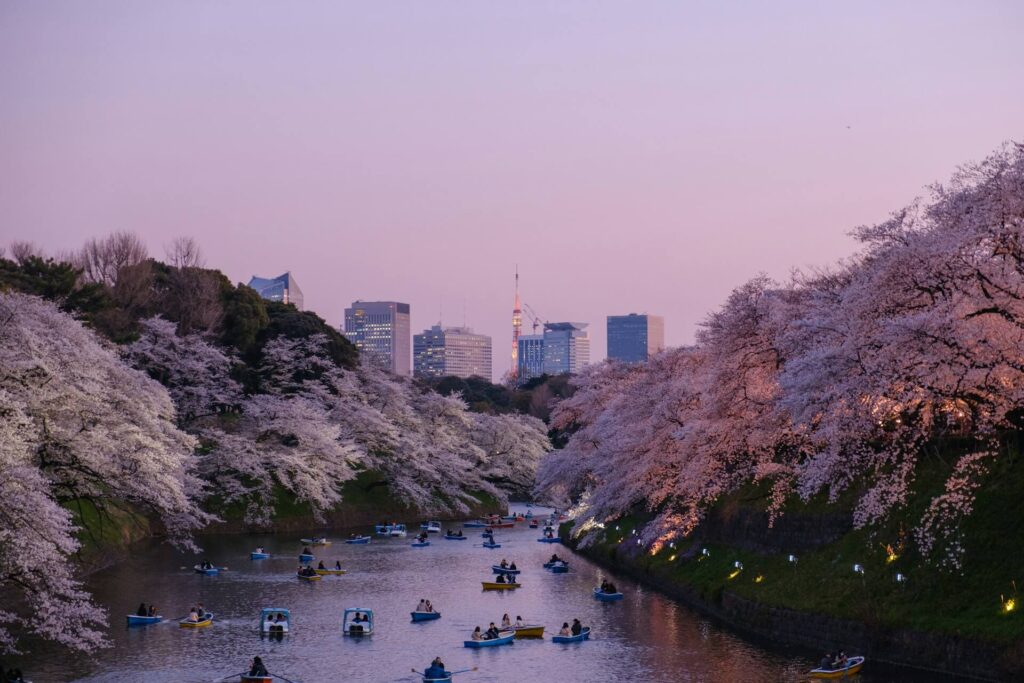
- Chidorigafuchi: A moat-side walking path with sakura arching over the water. One of Tokyo’s most romantic spots.
Kyoto:
- Maruyama Park: Kyoto’s most popular hanami location, centered on a famous weeping cherry tree illuminated at night.
- Philosopher’s Walk: A 2km canal-side path lined with hundreds of cherry trees, connecting Ginkaku-ji to Nanzen-ji.
- Kiyomizu-dera: The wooden stage temple with cherry blossom views across the city is one of Kyoto’s defining sakura images.
Booking Strategy for Cherry Blossom Packages
Cherry blossom japan tour packages sell out 3–4 months ahead of departure. Popular packages with strong hotel locations in central Tokyo and Kyoto disappear fastest. If you are targeting late March or early April departures:
- Book by December for March travel
- Look for packages with flexible extension options in case the bloom peaks slightly later in your destination
- Verify the refund/date-change policy — some premium operators allow one free date shift in case of early or late bloom
Seasonal Alternatives to Cherry Blossom Season
If spring pricing or availability does not work, Japan delivers across all four seasons.
Autumn Foliage (Mid-November)
Autumn in Kyoto and Tokyo brings red and gold maple foliage that rivals cherry blossom for visual impact. Crowds are smaller, hotel prices are lower, and the light in November is exceptional for photography. This is the most underrated season for Japan travel.
Summer Festival Season (July–August)
Japan’s summer matsuri (festival) calendar is packed. Kyoto’s Gion Matsuri runs through July. Osaka’s Tenjin Matsuri in late July is one of Japan’s largest festivals. The heat and humidity are real — but the festival energy and food stalls make it worthwhile for travelers who can handle warm conditions.
Winter (December–February)
Winter offers the best value pricing for Tokyo and Kyoto packages. It is cold but rarely extreme in these cities. Hokkaido is the exception: Sapporo’s Snow Festival in February and Niseko’s powder skiing attract dedicated winter sports travelers.
Extending Your Japan Tour Package
Osaka (1 Day)
15 minutes from Kyoto by shinkansen, Osaka is worth a full day attached to any Tokyo–Kyoto package. Dotonbori’s neon-lit canal is Japan’s most famous street food destination — takoyaki (octopus balls), okonomiyaki (savory pancakes), and kushikatsu (skewered fried food) are the priorities. Osaka Castle and Kuromon Ichiba market fill the rest of the day.
Hiroshima and Miyajima (2 Days)
Hiroshima’s Peace Memorial Museum and Park are among the most affecting travel experiences in Asia. Miyajima Island, 30 minutes by ferry, adds the iconic floating torii gate of Itsukushima Shrine. A Hiroshima–Miyajima add-on requires 2 days and is best positioned before the Kyoto segment of your itinerary.
Hakone (1–2 Days)
Hakone sits between Tokyo and Kyoto — accessible from both on the Shinkansen route. Mountain ryokan stays, outdoor onsen with Mount Fuji views on clear days, and the open-air sculpture museum make this the most popular overnight extension for japan tour packages.
FAQ
What is the best Japan tour package for first-time visitors?
The classic 7-night Tokyo and Kyoto package is the right starting point. Three nights in Tokyo, three nights in Kyoto, and one day in Osaka covers the essential experiences without feeling rushed. Once you have done the Golden Route, subsequent trips can target specific regions like Hokkaido, Hiroshima, or the Japan Alps.
When does cherry blossom season peak in Tokyo and Kyoto?
In 2026, Tokyo peak bloom is forecast around March 26–29 and Kyoto around March 28–31, based on current climate modeling. These dates can shift by 3–7 days depending on final winter temperatures. Check the Japan Meteorological Corporation’s annual forecast, published from January each year.
How many days does a Tokyo Kyoto tour package typically run?
Most tokyo kyoto tour packages run 7–8 nights. This allows 3 nights in Tokyo, 2–3 nights in Kyoto, and 1 night in Osaka. A 10-night version adds Hiroshima and/or Hakone, which are the two most popular extensions.
What should I look for in a Japan tour package itinerary?
Prioritize: named hotels (not just star ratings), specific daily site schedules, JR Pass inclusion, group size caps under 16, and clear meal inclusions. Avoid packages that describe itinerary highlights vaguely or do not list accommodation by property name. Browse verified Japan tour packages on FindTourGo to compare side-by-side.
Are cherry blossom Japan tour packages worth the premium price?
Yes, if you book in time and have flexibility on exact dates. The visual experience of sakura in full bloom in Kyoto or Tokyo is genuinely exceptional. However, if you cannot secure good hotel locations or if pricing is 60%+ above off-peak, consider autumn foliage season instead — comparable beauty, lower prices, smaller crowds.
Ready to Book Your Japan Tour Package?
Tokyo in cherry blossom season. Kyoto’s torii gates at dawn. Osaka’s street food at midnight. The right Japan tour package sequences these moments for you — so the experience lands rather than feeling like a rushed checklist.
Find Japan tour packages on FindTourGo — 200+ verified operators, real itineraries, transparent pricing. Compare packages by season, duration, and departure city.
Already planning your Singapore departure? Read our companion guide: Japan Tour Packages from Singapore: 2026 Guide for departure-specific tips, flight options, and Singapore-dollar budget breakdowns.