China Tour Packages: Beijing, Shanghai & the Great Wall
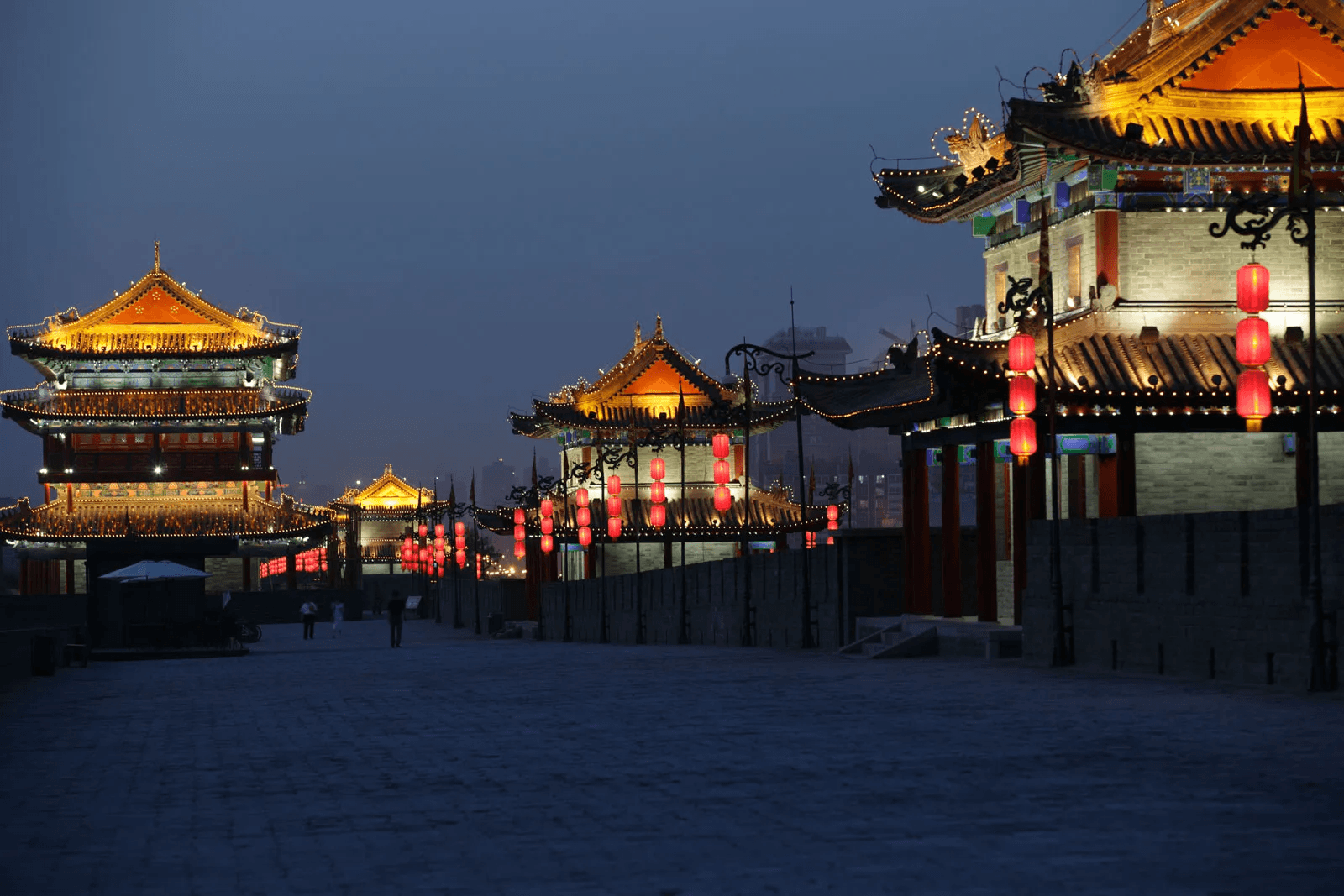
China is one of the most rewarding long-haul destinations from Singapore — and with the right china tour package, it’s far more accessible than most travelers expect. Direct flights from Changi put you in Beijing in roughly six hours and Shanghai in under five. Add China’s expanding visa-free entry program (now covering dozens of nationalities) and a high-speed rail network that links its greatest cities in hours, and the logistical case for visiting has never been stronger.
Beijing, Shanghai, and the Great Wall form the backbone of nearly every first-timer’s China itinerary — and for good reason. Beijing gives you 600 years of imperial history in a single walkable district. Shanghai offers the sharpest contrast between old China and a gleaming modern skyline. And the Great Wall is simply one of the most visually astonishing structures ever built by human hands.
Travelers interested in regional cuisine should also explore these China culinary tours for authentic local food experiences across major cities.
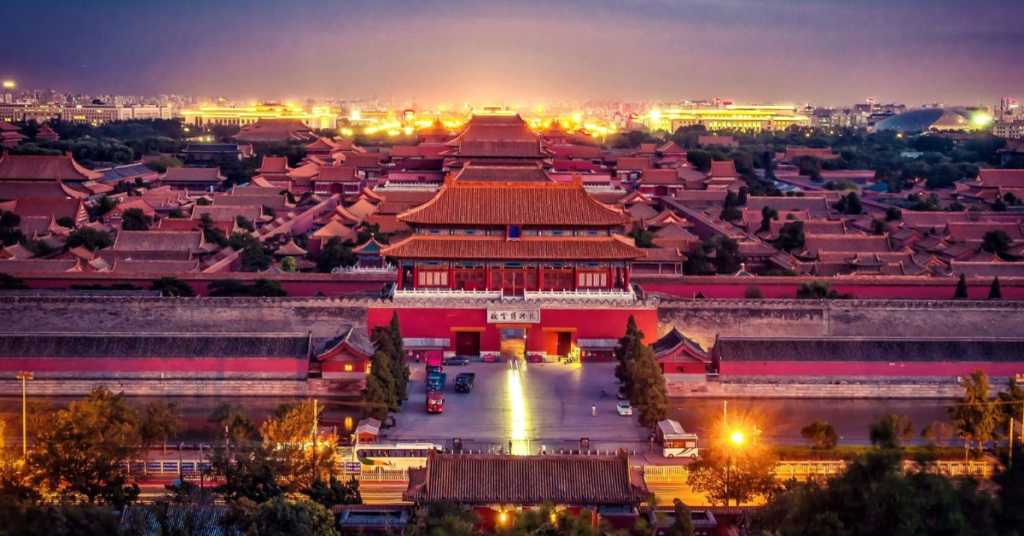
What makes a guided package worth it isn’t just convenience — it’s the details: skip-the-queue entry at the Forbidden City, a local guide who brings Tiananmen Square to life beyond the textbooks, and a hotel already positioned between the sites you want to see. For Singapore travelers especially, a structured Beijing-Shanghai tour package removes the friction of planning across multiple time zones and languages.
This guide covers everything you need to know: what’s included, how much to budget, when to go, and how to choose the right package for your travel style.
How Much Do China Tour Packages Cost?
Price is often the first question — and the range is wider than most people realize.
| Duration | Cities | Budget Range (SGD) | Best For |
|---|---|---|---|
| 5 days | Beijing only | S$550–S$1,100 | First-timers, short leave |
| 7 days | Beijing + Shanghai | S$900–S$2,000 | Most popular itinerary |
| 10 days | Beijing + Shanghai + Xi’an or Guilin | S$1,400–S$3,400 | Deeper cultural immersion |
| 14 days | Grand Tour (multi-city) | S$2,100–S$4,800+ | Comprehensive bucket-list trip |
What’s typically included: 3–5 star hotels, domestic high-speed rail or flights, English-speaking guide, most entrance fees, selected meals.
What’s usually extra: International flights from Singapore, visa fees, personal shopping, optional excursions.
Group tours (10–25 pax) typically run 30–40% cheaper than private tours for equivalent itineraries. If you’re traveling as a family or couple and want flexibility, private packages from FindTourGo’s verified operators are worth the premium.
Families visiting Beijing and Shanghai can also review this guide to family travel in China for kid-friendly cultural activities and attractions.
Beijing: Where China’s History Comes Alive
No china tour package is complete without at least two full days in Beijing. The city’s historical density is extraordinary — within a single morning, you can walk through Tiananmen Square, cross into the Forbidden City, and climb Jingshan Hill for a rooftop view that hasn’t changed in centuries.
The Forbidden City and Tiananmen Square
The Forbidden City is one of the world’s great architectural achievements: 9,999 rooms, sweeping courtyards, and intricately carved golden rooftops that stretch further than you’d expect. Book tickets online before you arrive — walk-up queues are substantial, and morning light inside the palace is worth protecting.
Directly south, Tiananmen Square is best understood with a knowledgeable local guide. The square alone is worth an hour; combined with a guided introduction to modern Chinese history, it becomes one of the most thought-provoking mornings in any Asia itinerary.
Hutong Alleyways and the Temple of Heaven
Beijing’s hutong neighborhoods — particularly around Nanluoguxiang and Shichahai — offer the city’s most authentic street-level experience. These narrow alleyways are lined with courtyard residences, neighborhood noodle shops, and tea houses that have operated for generations.
The Temple of Heaven works best when you factor in the surrounding park: arrive early and you’ll find locals doing tai chi, flying kites, and playing chess — a genuine slice of Beijing morning life that no amount of planning can replicate.
Recommended time allocation:
- Forbidden City: 3–4 hours minimum
- Temple of Heaven + park: 2–3 hours
- Hutong walking tour: 2–3 hours (evening recommended)
- Summer Palace: half day (optional)
The Great Wall: Which Section Is Right for You?
The Great Wall stretches over 21,000 kilometers across northern China — but as a Beijing day trip, your choice of section matters enormously.
Mutianyu (Recommended for Most Travelers)
Located 90 minutes from central Beijing, Mutianyu is the best all-round option for great wall of china vacation packages. It offers well-restored walls, significantly fewer crowds than the more famous Badaling section, cable car access, and an optional toboggan descent that children and adults both love. Morning visits are strongly recommended.
Badaling (Most Accessible, Most Crowded)
Badaling is the closest section to Beijing and the most frequently visited — which means weekend crowds can be overwhelming. If your package includes Badaling, push for a weekday visit and an early start.
Jinshanling (For Hikers)
Less visited and partially unrestored, Jinshanling offers a more atmospheric experience for travelers who want dramatic photos and don’t mind a moderate hike. Typically added to premium 10+ day packages.
Plan a full day for the Great Wall including transfers. It’s one of those experiences where the investment in time pays off completely.
Shanghai: China’s Most Cosmopolitan City
After Beijing, Shanghai hits differently. Where Beijing is imperial, Shanghai is cosmopolitan — a city that spent the 20th century absorbing European colonial architecture, global finance, and Chinese modernity simultaneously, and somehow made it work.
The Bund and Pudong Skyline
The Bund is Shanghai’s signature view: a mile-long stretch of colonial-era stone buildings facing Pudong’s futuristic skyline across the Huangpu River. It’s compelling at any hour, but arriving in the evening — when both banks are fully illuminated — is one of those travel moments that earns its reputation.
Yu Garden, the French Concession, and Shanghai Museum
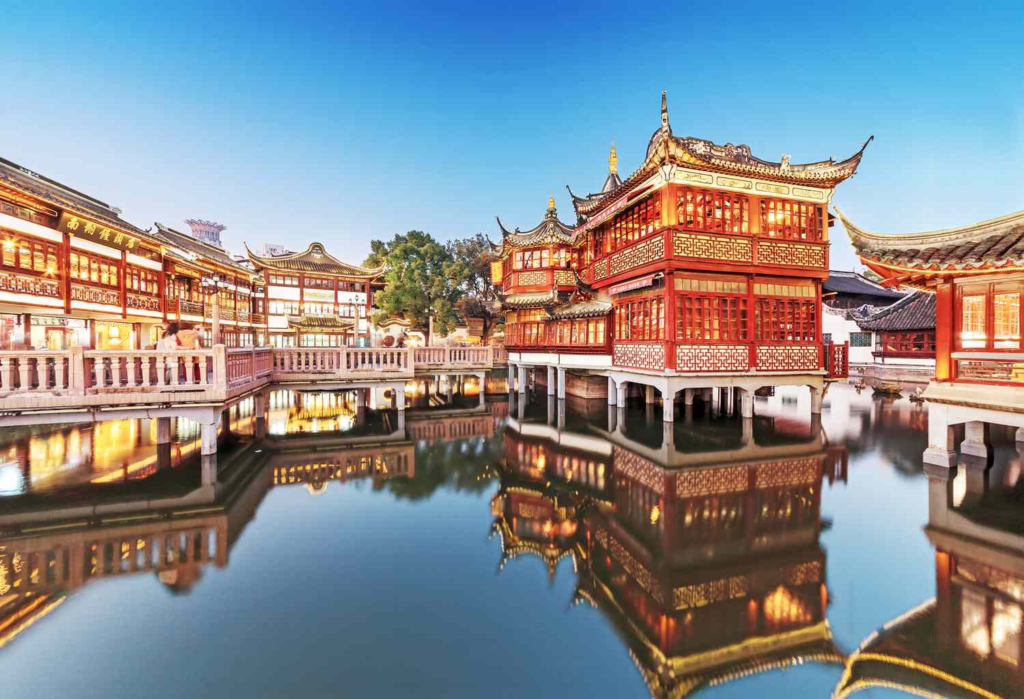
Yu Garden offers Ming Dynasty serenity in the middle of the city: pavilions, koi ponds, and carved stone bridges — surrounded by the steam and noise of Yuyuan Bazaar. Plan 90 minutes here.
The French Concession is where contemporary Shanghai breathes most freely. Tree-lined streets, independent cafés, art galleries, and pre-war Art Deco buildings make it the city’s most walkable neighborhood.
Shanghai Museum rounds out the picture with world-class Chinese bronzes, calligraphy, and ceramics — and it’s one of the only major city attractions that remains free to enter.
Beyond Beijing and Shanghai: Extending Your China Tour Package
Hangzhou: One Hour by Rail
A 45-minute high-speed train from Shanghai, Hangzhou is the understated highlight of many extended itineraries. West Lake — a UNESCO-listed landscape of causeways, pagodas, and lotus-covered water — genuinely lives up to its reputation. The surrounding Longjing tea plantations offer one of China’s most peaceful half-days: seated with Dragon Well tea, watching pickers work the hillside rows.
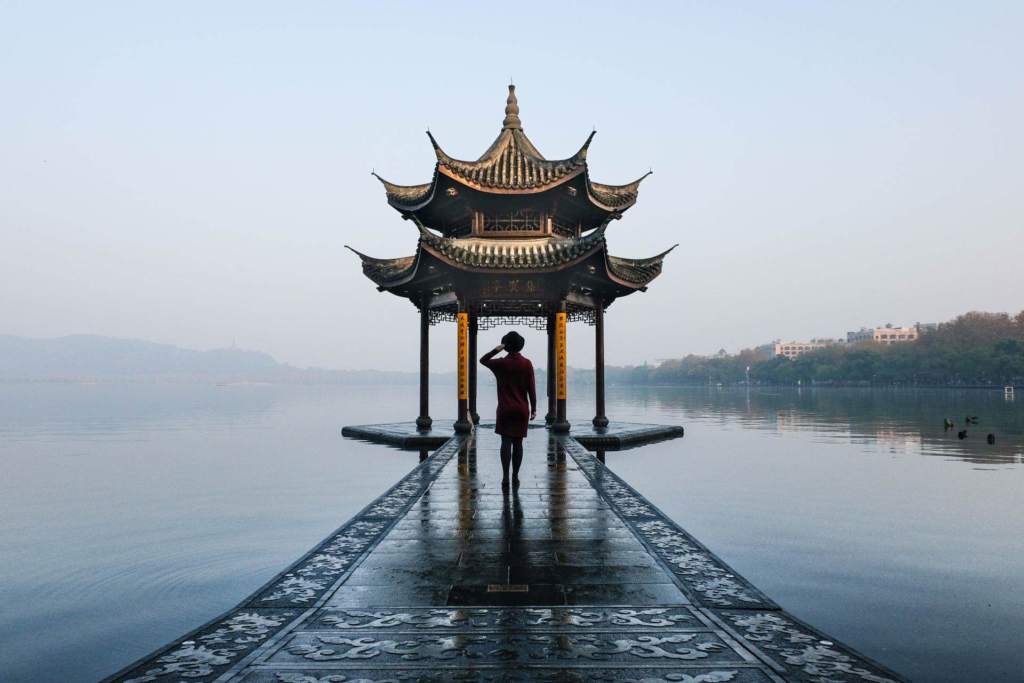
Many 7-day Beijing-Shanghai packages offer Hangzhou as an optional day excursion (typically S$70–$110 extra).
Xi’an vs. Guilin: Which Extension Is Worth It?
| Factor | Xi’an | Guilin |
|---|---|---|
| Vibe | Archaeological, historical | Natural landscapes |
| Must-see | Terracotta Warriors | Li River cruise |
| Best for | History lovers | Photographers, families |
| Rail from Beijing | ~5 hours | Fly from Shanghai |
| Add-on cost | +S$400–S$800 | +S$550–S$950 |
Xi’an was China’s ancient capital and the eastern terminus of the Silk Road. The Terracotta Warriors — 8,000 life-sized soldier sculptures buried with Emperor Qin Shi Huang in 210 BC — are among the most remarkable archaeological finds in human history.
Guilin and the Li River deliver the landscape you recognize from classical Chinese ink paintings: dramatic karst peaks rising from flat plains, river mist at dawn, and a pace of life that feels entirely separated from the country’s modern cities. The karsts notably appear on China’s 20-yuan banknote.
Sample Itineraries: 7, 10, and 14 Days
For travelers looking to explore heritage districts and modern attractions, this China cultural city guide offers additional itinerary ideas.
7-Day Classic: Beijing + Shanghai
| Day | Location | Highlights |
|---|---|---|
| 1 | Beijing | Arrival, Tiananmen Square, Wangfujing night market |
| 2 | Beijing | Forbidden City, Jingshan Park, hutong walk |
| 3 | Beijing | Great Wall (Mutianyu), Temple of Heaven |
| 4 | Train to Shanghai | High-speed rail (4.5h), Bund evening |
| 5 | Shanghai | Yu Garden, Old Town, French Concession |
| 6 | Hangzhou day trip | West Lake, Longjing tea |
| 7 | Shanghai | Shanghai Museum, shopping, departure |
10-Day Explorer: + Xi’an
Days 8–10 add Xi’an: City Wall cycling, Terracotta Warriors, and the Muslim Quarter night market.
14-Day Grand Tour: + Guilin and Chengdu
Days 11–14 add Guilin (Li River cruise, Yangshuo cycling) and Chengdu (Giant Panda Base, Sichuan hot pot).
Best Time to Visit China from Singapore
| Season | Months | Conditions | Verdict |
|---|---|---|---|
| Spring | April–May | Mild, comfortable | Best overall |
| Summer | June–August | Hot and humid | Good for Guilin; avoid cities |
| Autumn | Sept–Oct | Cool, clear skies | Excellent — Great Wall at its best |
| Winter | Nov–March | Cold in the north | Budget deals, fewer crowds |
Avoid: Golden Week (October 1–7) and Chinese New Year (Jan/Feb). Both periods see extreme domestic travel volumes that make popular sites genuinely uncomfortable.
Ready to Find Your Perfect China Tour Package?
FindTourGo lists 1,000+ china tour packages from 200+ verified operators, with side-by-side comparison by price, duration, city coverage, and group size. No booking fees, no hidden costs — just a clear view of your options.
Browse China tour packages from Singapore
Whether you want a budget group tour, a fully private family itinerary, or something in between, the right package is already listed. Start comparing today.
FAQ
Do I need a visa for China if I’m traveling from Singapore?
Singapore passport holders currently benefit from China’s visa-free entry policy for stays up to 30 days (verify current status at the Chinese Embassy, as policies update regularly). Most other nationalities require a standard L-visa: apply 1–2 months before travel with a valid passport, confirmed hotel bookings, and a completed application. Many FindTourGo operators include visa assistance in their packages.
How many days do I need for a China tour package?
Seven days is the minimum for a satisfying Beijing-Shanghai trip. Ten days comfortably adds Xi’an or Guilin. Fourteen days opens up Chengdu, Zhangjiajie, or a Yangtze River cruise. If you have only 5 days, a Beijing-focused itinerary is more rewarding than rushing between cities.
What’s the best Great Wall section for first-time visitors?
Mutianyu is the best choice for most travelers: well-restored, less crowded than Badaling, cable car access, and an optional toboggan descent. Plan a full day including transfers from Beijing. Book through your tour operator to avoid peak-hour timing.
How much does a China tour package from Singapore cost?
A 7-day Beijing-Shanghai group package typically runs S$900–S$2,000 per person (excluding international flights). Private tours cost more but offer flexibility. Budget for roughly S$400–S$600 in additional personal expenses (meals, shopping, optional excursions).
Is China suitable for first-time Asia travelers from Singapore?
Absolutely, especially with a guided package. English-speaking local guides handle language barriers; China’s airports, high-speed rail, and international hotel brands handle logistics. Singapore travelers also benefit from direct flight connections and, in many cases, visa-free entry — making China one of the most accessible long-haul destinations in the region.
Related guides: China Family Travel & Heritage Experiences · China Culinary Tours & Food Culture · Japan Tour Packages from Singapore