China Family Travel: Heritage Sites, Culture & Experiences
10 minutes
9/15/2025
Introduction
China is one of the few destinations that genuinely delivers for every age group — and that’s what makes china family travel such a compelling proposition for Singapore families. An eleven-year-old can be completely transfixed by the Terracotta Warriors while a six-year-old loses their mind watching giant pandas eat bamboo. Parents get the Forbidden City, the Li River, and Sichuan hot pot. Everyone leaves with a different favorite memory, and somehow they all come home talking about the same trip.
From Singapore, China is closer and more accessible than most families realize. Direct flights put you in Beijing in six hours and Shanghai in under five. China’s expanded visa-free entry program covers a growing list of nationalities, and its high-speed rail network means you can move between Beijing, Xi’an, Shanghai, and Guilin without a single domestic flight booking.
What makes the difference between a stressful trip and a genuinely great one is planning: pacing the itinerary so kids aren’t museum-fatigued by day three, choosing the right Great Wall section (cable car access is non-negotiable with young children), and building in hands-on activities — dumpling-making classes, calligraphy sessions, tai chi in the park — that turn passive sightseeing into active cultural engagement.
This guide covers the best heritage sites, cultural experiences, and nature encounters for families planning a trip to China, plus practical logistics for Singapore travelers.
Top Heritage Sites for Families in China
China’s UNESCO-listed sites aren’t just impressive — they’re the kind of places that make children ask questions you genuinely don’t know the answers to. That’s the best sign of a great heritage experience.
The Great Wall: One of Humanity’s Greatest Achievements
Standing on the Great Wall with children creates one of those rare travel moments that stays with everyone for years. For families, Mutianyu is the right choice — 90 minutes from Beijing, well-restored, significantly less crowded than Badaling, and equipped with cable car access going up and an optional toboggan run going down. The toboggan alone will be talked about for weeks.

Arrive early (before 9am) to beat the tour buses. Bring water, snacks, and comfortable shoes. If your children are under 10, plan for about 2 hours on the wall itself — the views reward the walk long before legs give out.
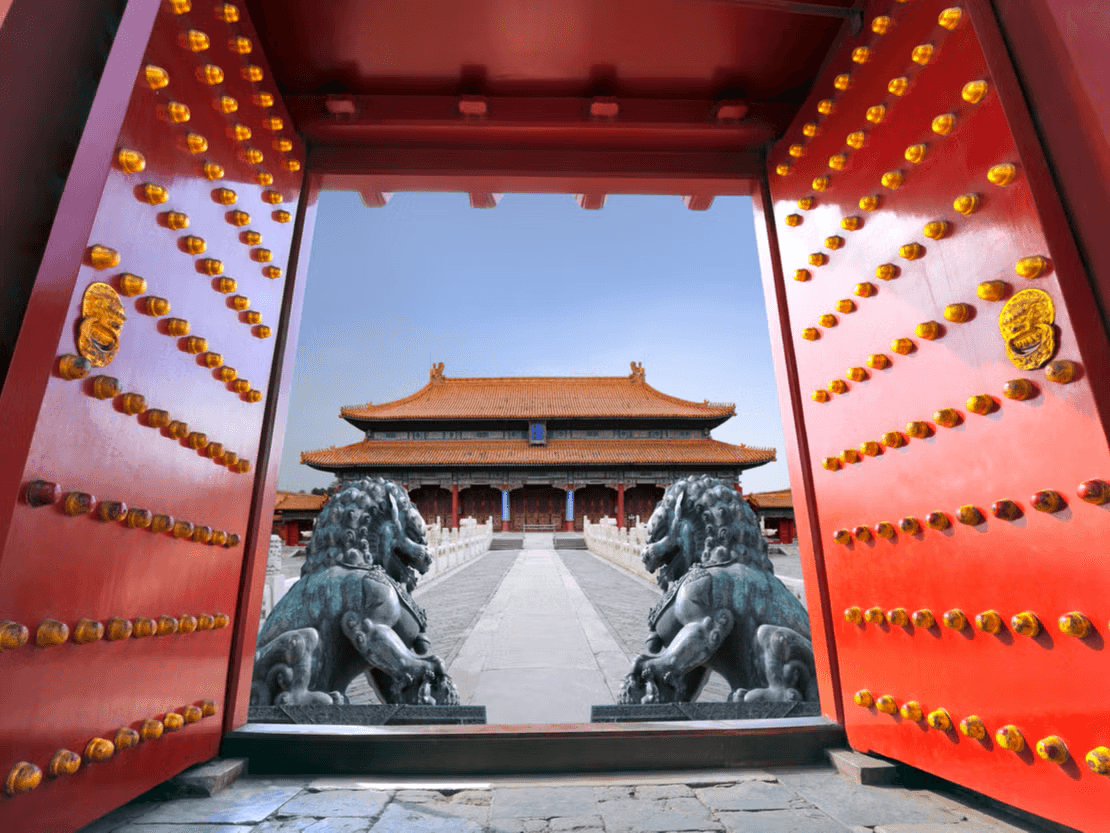
The Forbidden City: 9,999 Rooms of Imperial History
The Forbidden City is one of the most extraordinary buildings on earth, and it works remarkably well for families when approached correctly. Don’t try to see everything — instead, use a family-focused guide to bring the stories of emperors, concubines, and court intrigue to life. Children respond immediately to narrative; the architecture follows once they care about the people who lived in it.

Book tickets online well in advance, especially during school holidays. Allow 3–4 hours. Jingshan Hill, directly north of the palace, offers the most famous rooftop view of the Forbidden City’s golden roofline — 20 minutes from the exit and entirely worth it.
Xi’an and the Terracotta Warriors
The Terracotta Warriors are among the most jaw-dropping archaeological discoveries in human history: 8,000 life-sized warrior statues, horses, and chariots buried with Emperor Qin Shi Huang in 210 BC, each with unique facial features. The scale of the site doesn’t fully register in photos — it takes standing in front of Pit 1, stretching the length of several football fields, for the reality to land.
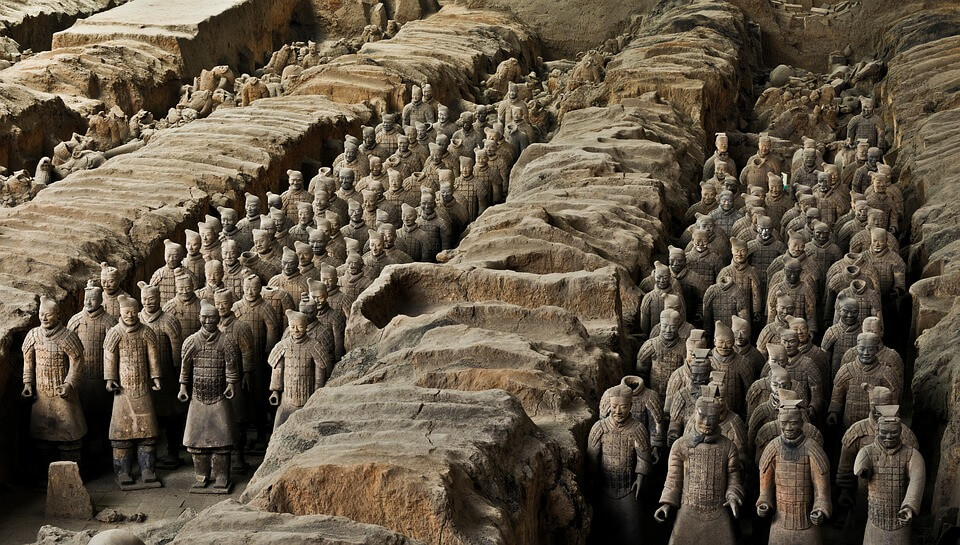
A good local guide makes the difference here. The excavation process, the individual warrior variations, and the emperor’s story turn a collection of clay figures into one of history’s great narratives. Most children find it genuinely riveting. Xi’an is also the jumping-off point for the Muslim Quarter’s incredible street food — an excellent reward after a long morning at the warriors.
Explore China heritage tour packages →
Hands-On Cultural Experiences for Families
The best china cultural experiences for families aren’t the ones you observe — they’re the ones you do. These activities work for children and adults alike, and they produce the kind of memories (and photos) that passive sightseeing simply can’t.
Dumpling-Making and Noodle Classes
Food is the most universal entry point into any culture, and China’s is no different. Dumpling-making classes (available in Beijing, Shanghai, and Xi’an) are excellent for families: children learn to roll dough, prepare fillings, and fold the dumplings — then eat the results. The combination of focused hands-on activity and an immediately delicious reward works for almost any age.
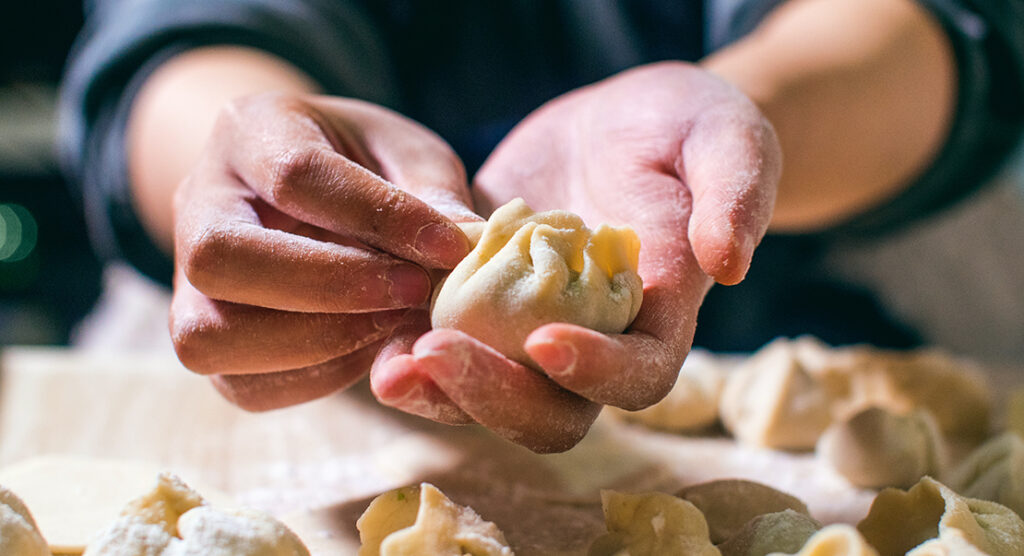
In Xi’an and northern regions, hand-pulled noodle demonstrations are similarly captivating: watching a chef stretch a single piece of dough into dozens of long, elastic strands in under two minutes is genuinely impressive, and most classes let you try it yourself.
Traditional Calligraphy and Tea Ceremony
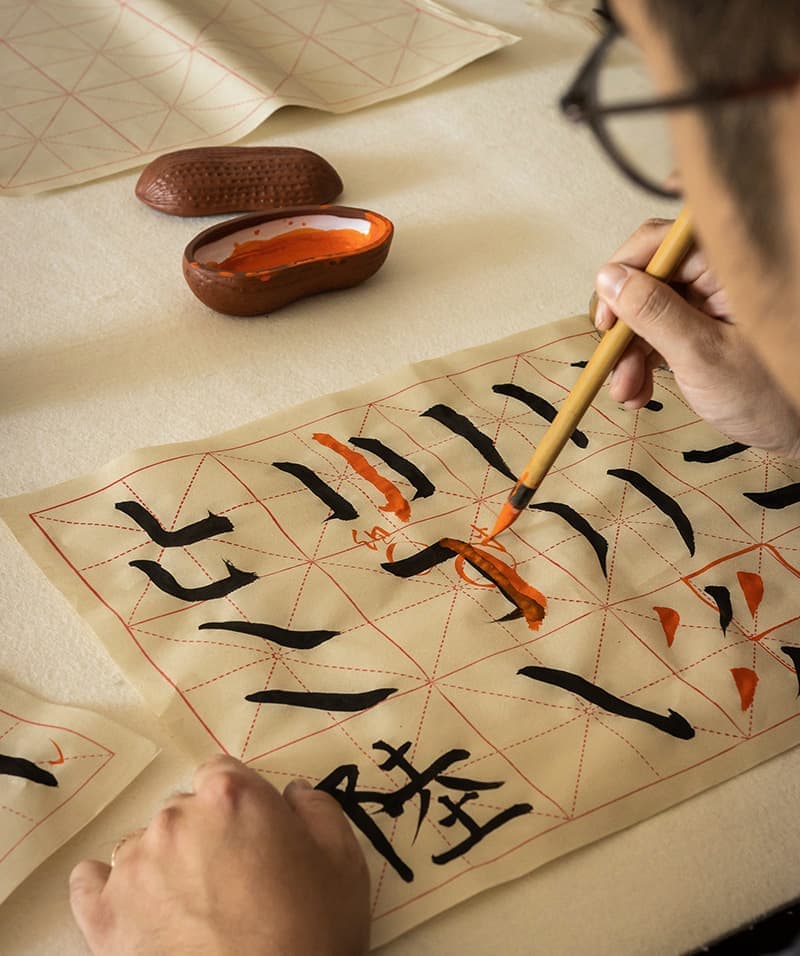
Chinese calligraphy classes provide a quieter but equally memorable experience. Under guidance from a local master, even young children can learn basic strokes and understand the philosophical weight behind each character. The meditative quality of ink and brush is a genuine contrast to the pace of most city sightseeing.
Traditional tea ceremonies — available at tea houses in Hangzhou, Chengdu, and across tourist districts — go well beyond simply drinking tea. Learning about different varieties, brewing temperatures, and the etiquette of sharing a pot gives families an insight into a ritual that has structured Chinese social life for centuries. Most quality china cultural packages include at least one of these experiences.
Tai Chi in the Park
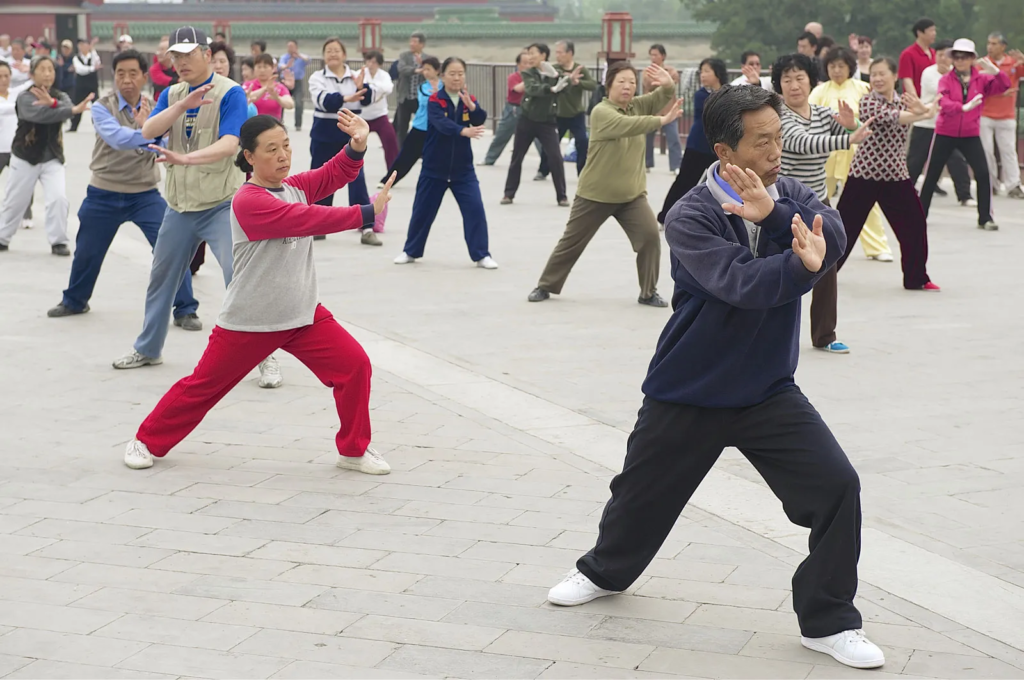
Every major Chinese city has parks where locals gather at dawn for tai chi. Joining — even briefly, even badly — offers a genuine window into daily life that no museum can replicate. Many parks offer short introductory sessions through tour operators; alternatively, just show up early and watch, and you’ll likely be invited to join. The communal spirit is warmly inclusive.
Nature and Wildlife: Beyond the Cities
A family trip to China isn’t complete without at least one encounter with the country’s extraordinary natural landscapes and wildlife.
Chengdu: Giant Pandas Up Close
The Chengdu Research Base of Giant Panda Breeding is the single most universally beloved stop on any family china heritage tour. Pandas in various life stages — from tiny tumbling cubs to calm, bamboo-munching adults — can be observed in spacious naturalistic enclosures. Morning visits (before 10am) are essential: pandas are most active at breakfast, and the light is better for photos.

Beyond the pandas, Chengdu rewards families with Sichuan cuisine (including a family-friendly hot pot experience), the Wuhou Shrine, and the relaxed pace of teahouse culture. It’s one of China’s most liveable and enjoyable cities to explore with children.
Guilin and the Li River: Landscapes from a Painting
The landscape around Guilin and Yangshuo is one of those rare places that actually looks like its postcards — dramatic karst peaks rising from flat plains, bamboo groves fringing a slow-moving river, farmers in conical hats working terraced fields. A Li River cruise from Guilin to Yangshuo is one of China’s iconic journeys, and the scale of the landscape keeps children engaged far longer than most boat trips.

From Yangshuo, cycling through rice paddies and small villages offers a slower, more immersive experience. The region rewards a minimum of two nights; one day is never enough.
Huangshan (Yellow Mountains): Cloud Sea and Ancient Peaks
For families with older children who enjoy hiking, Huangshan in Anhui province is one of China’s most spectacular natural experiences. Uniquely shaped granite peaks, ancient twisted pines, and a sea of clouds that rolls through the valleys at dawn have inspired Chinese painters and poets for over a thousand years. Cable cars provide access if the ascent feels too ambitious. An overnight stay on the mountain is strongly recommended — sunrise over the cloud sea is one of those images that doesn’t require any photographic skill to get right.

Practical Planning for Your China Family Trip
Best Time to Go from Singapore
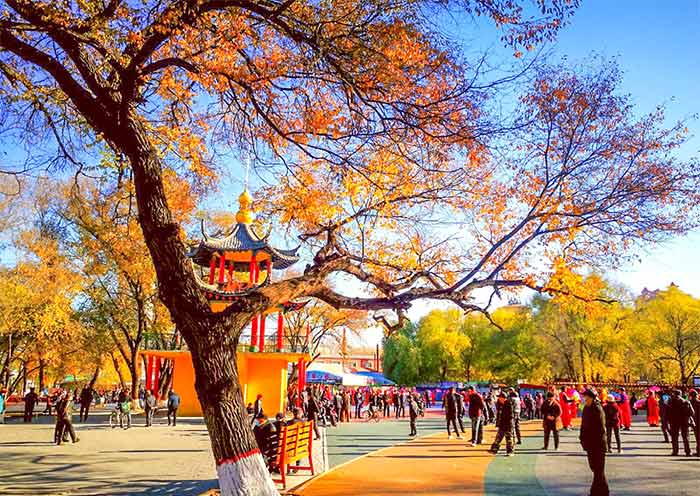
Spring (April–May) and autumn (September–October) offer the most comfortable conditions for families: mild temperatures, lower humidity, and cleaner skies than summer. These are also the best seasons for outdoor sites — the Great Wall in October light is exceptional.
Avoid: Golden Week (October 1–7) and Chinese New Year (January/February). Both create extreme domestic travel volumes that make popular sites genuinely unpleasant with children in tow.
Getting Around China with Kids
China’s high-speed rail network is one of the world’s best, and it’s excellent for families: comfortable seats, reliable punctuality, on-board snacks, and reasonable journey times between major cities (Beijing to Shanghai: 4.5 hours; Beijing to Xi’an: 5 hours). Book seats in advance during school holiday periods.
Within cities, the metro systems in Beijing, Shanghai, Chengdu, and Guangzhou are clean, efficient, and well-signed in English. Ride-hailing via Didi works seamlessly once an account is set up.
Payments, Connectivity, and Visas
China operates almost entirely on mobile payments (WeChat Pay, Alipay). Most international visitors can link a foreign credit card to these apps directly, but carry a small amount of Chinese Yuan (RMB) as backup for traditional markets and smaller vendors.

Internet access in China requires a VPN for Google, Instagram, and most international apps. Download and configure a reputable VPN before departure — it won’t work after you arrive. Purchase a local SIM card at the airport for reliable connectivity.
Most foreign nationals require a tourist visa (L Visa) obtained from a Chinese embassy before travel. Apply 4–6 weeks in advance. Singapore passport holders currently benefit from visa-free entry for stays up to 30 days — verify current status before booking.
Ready to Plan Your China Family Tour?
FindTourGo makes it easy to compare verified family china tour packages side by side — filter by city, duration, group size, and included activities. Every operator is vetted before listing.
Browse family trip to China packages →
Whether you’re planning a 7-day Beijing and Xi’an itinerary or a 14-day grand tour from pandas to the Great Wall, you’ll find the right package at the right price — without the hours of cross-referencing multiple travel sites.
FAQ
Is China safe for families traveling from Singapore?
Yes. China has very low rates of violent crime against tourists, and major tourist areas are well-policed and signed in English. Exercise standard precautions in crowded areas (busy metro stations, popular markets), use official taxis or Didi, and purchase comprehensive travel insurance. Singapore families generally find China straightforward and welcoming.
What is the best itinerary for a family trip to China?
A 10-day itinerary covering Beijing (Great Wall, Forbidden City, hutongs), Xi’an (Terracotta Warriors, Muslim Quarter), and Shanghai (Bund, Yu Garden, French Concession) works well for most families. If budget and time allow, add 2 days in Chengdu for the panda base — it’s the single most universally loved stop for children of any age.
Which Great Wall section is best for families with young children?
Mutianyu, without question. It has cable car access, a toboggan descent, well-maintained paths, and significantly fewer crowds than Badaling. Most children aged 5 and above enjoy the experience; younger children manage well with a carrier or if the cable car is used both ways.
What hands-on cultural activities work well for children in China?
Dumpling-making classes, calligraphy sessions, and panda encounters are consistently the highest-rated activities for children. Noodle-pulling demonstrations and tai chi introductions also work well. Most quality china family tour packages include at least 2–3 of these; if yours doesn’t, it’s worth asking the operator to add them.
How far in advance should Singapore families book a China tour?
For school holiday periods (June/July and December), book at least 3–4 months in advance — popular China heritage tour packages sell out quickly, especially for private itineraries. For off-peak travel (spring or autumn), 6–8 weeks is usually sufficient. Always confirm visa requirements for your specific nationality before booking.
Related guides: China Tour Packages: Beijing, Shanghai & the Great Wall · China Culinary Tours & Food Culture · Vietnam Family Tours