Best Shopping in Japan: The Complete 2026 Guide
9 minutes
6/27/2025

Introduction
Japan is one of the world’s great shopping destinations — and not just for luxury goods. The best shopping in Japan spans everything from Akihabara’s cutting-edge electronics and Harajuku’s one-of-a-kind streetwear to 400-year-old craft markets in Kyoto and 100-yen shops that will blow your budget in the best possible way.
For shoppers from Singapore, Japan offers something that’s hard to find closer to home: genuine variety across price points, exceptional product quality, unmatched customer service, and the opportunity to find things that simply aren’t available anywhere else. A ¥100 shop beauty find, a hand-thrown ceramic from a Kyoto artisan, and a tax-free Shiseido skincare haul can all happen in the same day.
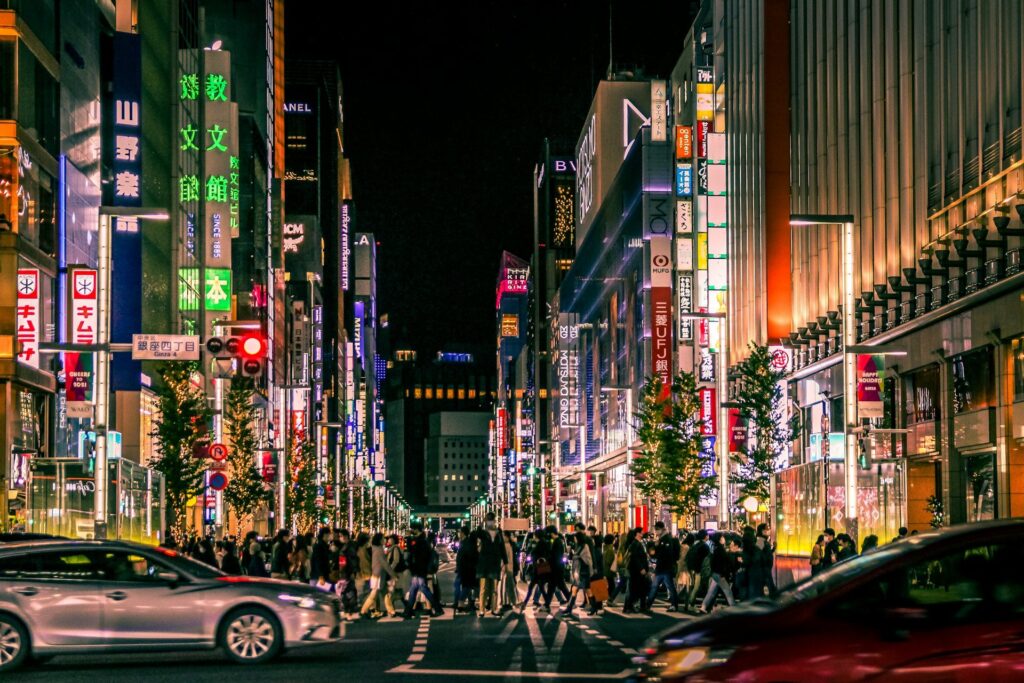
This guide covers the best shopping areas in Japan by city, breaks down what to shop in Japan by category, and gives you the practical information you need — tax exemption rules, seasonal sales timing, and payment tips — to make the most of every yen.
Whether it’s your first Japan trip or your fifth, this Japan shopping guide will help you shop smarter and bring home exactly what you came for.
Tokyo: The Best Shopping City in Japan
Tokyo is Japan’s shopping capital, and each district has its own distinct identity. Understanding where to go for what you want saves time and maximizes your budget.
Akihabara: Electronics, Anime, and Gaming
Akihabara is the undisputed global center for electronics and pop culture. Multi-story stores sell everything from the latest gaming consoles — often months before global release — to rare retro games, audiophile equipment, anime figurines, and manga. Major stores like Yodobashi Akiba and BIC Camera offer duty-free purchases with passport, making it one of the most cost-effective places to buy electronics in Asia.
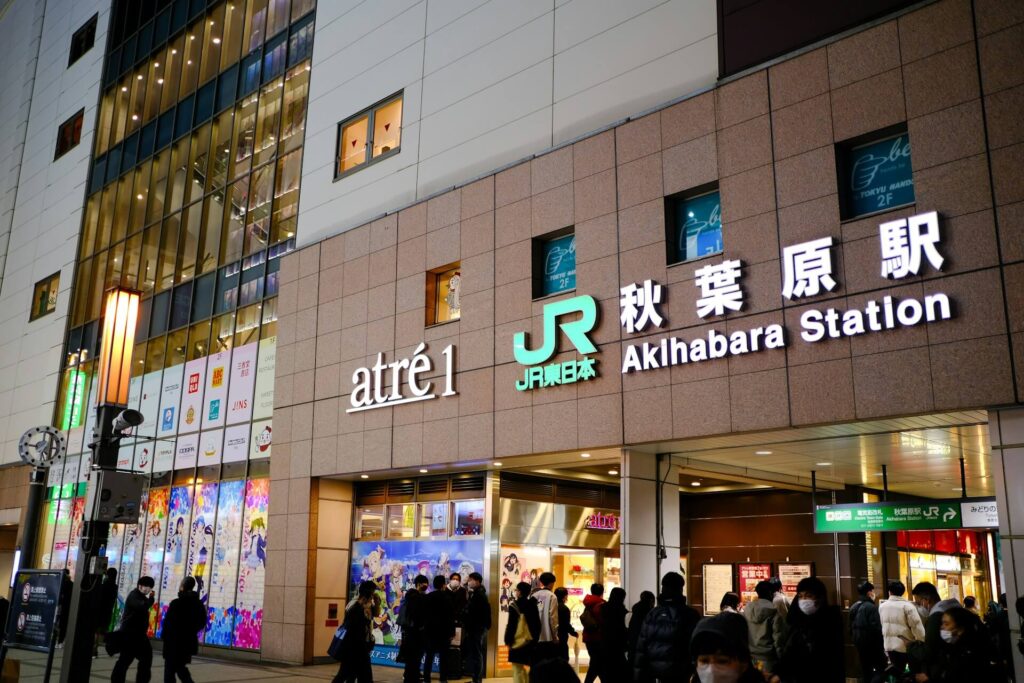
Best for: Cameras, gaming hardware, anime collectibles, electronic components, headphones.
Tip: Visit on a weekday to avoid weekend crowds and get more attention from knowledgeable staff.
Harajuku: Fashion and Streetwear
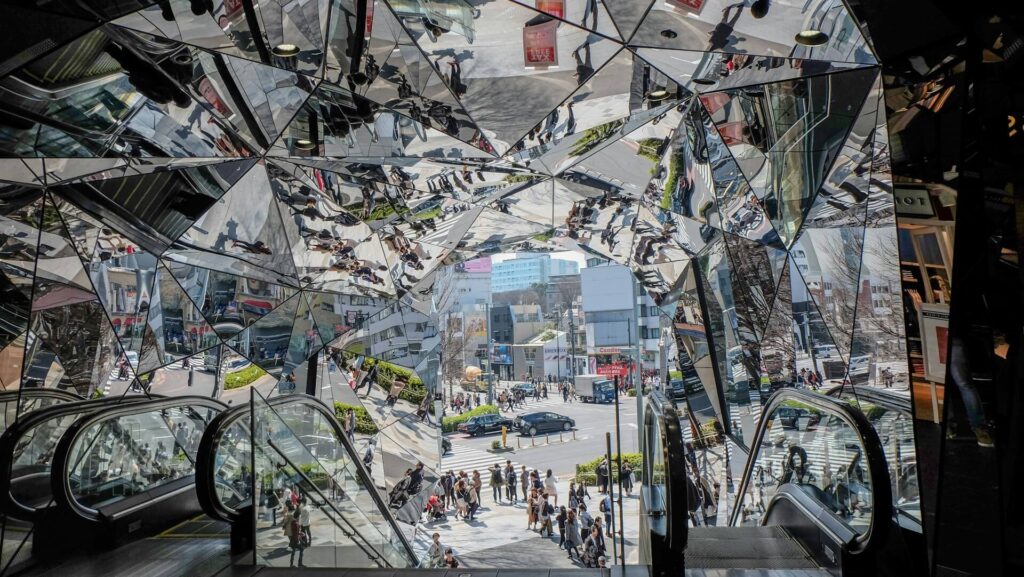
Harajuku is where Japan’s most creative fashion culture lives. Takeshita Street, the pedestrian shopping strip, is packed with affordable youth fashion — bold prints, vintage finds, and brands you won’t find in Singapore’s malls. For higher-end options, Omotesando — Harajuku’s tree-lined boulevard — hosts flagship stores for Louis Vuitton, Prada, and Japanese luxury brands alongside independent boutiques.
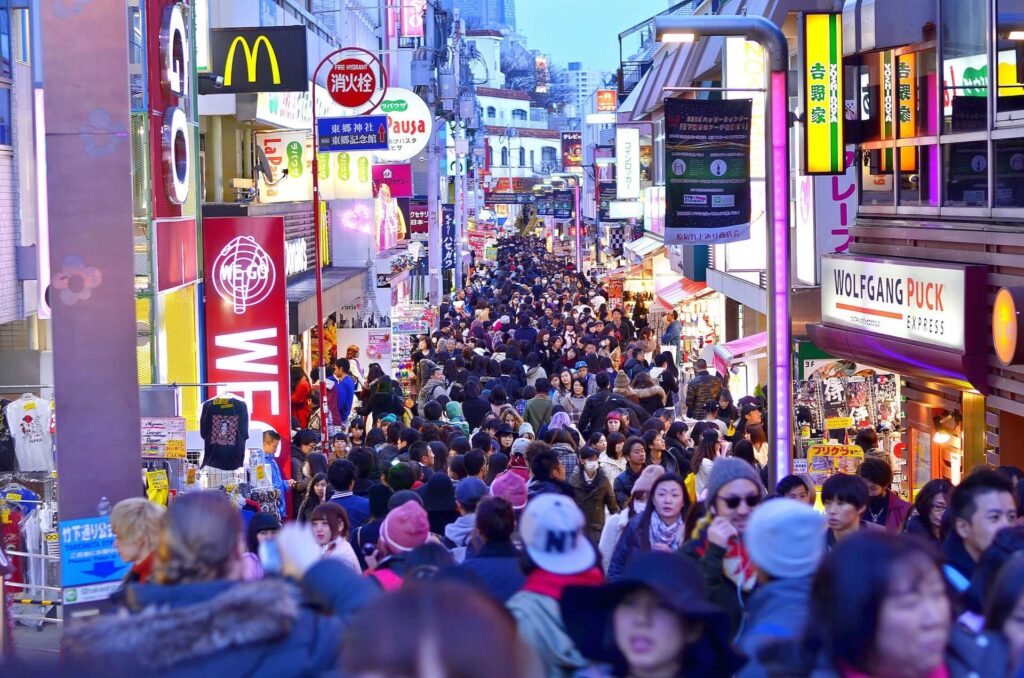
Best for: Youth streetwear, vintage fashion, independent Japanese designers, luxury brands.
Tip: Weekend afternoons on Takeshita Street are extremely crowded. Mornings are better for actually browsing.
Ginza: Luxury and Department Stores
Ginza is Tokyo’s most sophisticated shopping district. The centerpiece is Ginza Six, a luxury shopping complex with over 240 brands, a rooftop garden, and an underground performance space. Beyond designer fashion, Ginza’s department stores (Mitsukoshi, Matsuya) are famous for their basement food floors — called “depachika” — which are shopping destinations in their own right, selling premium groceries, bento boxes, pastries, and Japanese confections.
Best for: Luxury fashion, high-end Japanese crafts, department store food halls, art galleries.
Tip: Weekday mornings offer the most relaxed atmosphere in Ginza. Staff are attentive and unhurried.
Shimokitazawa: Vintage and Independent Shops
Shimokitazawa is Tokyo’s vintage shopping neighborhood — a maze of narrow streets packed with secondhand clothing stores, independent record shops, and small cafes. It’s the antithesis of Ginza and Akihabara, and it’s increasingly popular with younger travelers from Singapore and across Asia who want something beyond the mainstream.
Best for: Vintage fashion, secondhand records, indie bookshops, quirky gifts.
Kyoto: Traditional Crafts and Cultural Shopping
Kyoto’s shopping scene reflects its role as Japan’s cultural capital. The best shopping in Kyoto is rooted in traditional craftsmanship — items made using techniques passed down over centuries.
Nishiki Market: Kyoto’s Kitchen and Craft Hub
Nishiki Market, a narrow five-block covered arcade in central Kyoto, has been selling food and goods since the 17th century. It’s primarily a food market, but surrounding shops sell Kyoto’s traditional crafts: pottery, bamboo goods, lacquerware, and the famous Nishijin textiles.
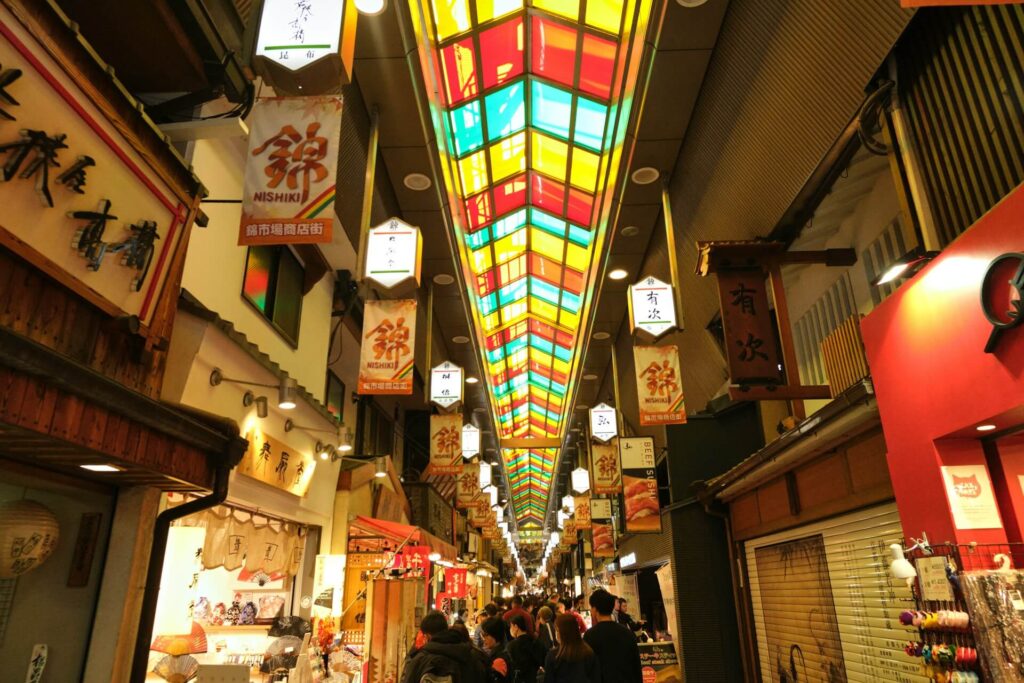
What to shop in Kyoto’s Nishiki Market:
- Tsukemono (artisan pickles) — perfect as gifts
- Kyoto ceramics and glazed pottery
- Wagashi (traditional Japanese confections) in elegant packaging
- Matcha and high-grade Uji green tea
Gion and Higashiyama: Artisan Workshops
The Gion district and the Higashiyama pedestrian path are lined with small craft shops selling handmade goods. Look for lacquered chopsticks, ceramic sake sets, washi paper goods, and yatsuhashi confections — all locally made and far more authentic than airport souvenir shops.
Tip: Prices in Kyoto craft shops are higher than Tokyo’s department stores, but the quality and authenticity justify the difference for genuine artisan goods.
What to Shop in Japan: A Category Guide
Beyond where to shop, knowing what to prioritize helps you maximize every trip. Here’s what Japan consistently delivers better than anywhere else.
Japanese Cosmetics and Skincare
Japan’s beauty industry is world-class. Shiseido, SK-II, Kanebo, and Kosé all originate here, and Japanese drugstores like Matsumoto Kiyoshi and Sundrug stock formulations that never make it to Southeast Asia. Department store cosmetics floors offer personalized consultations and often include complimentary samples with purchases.
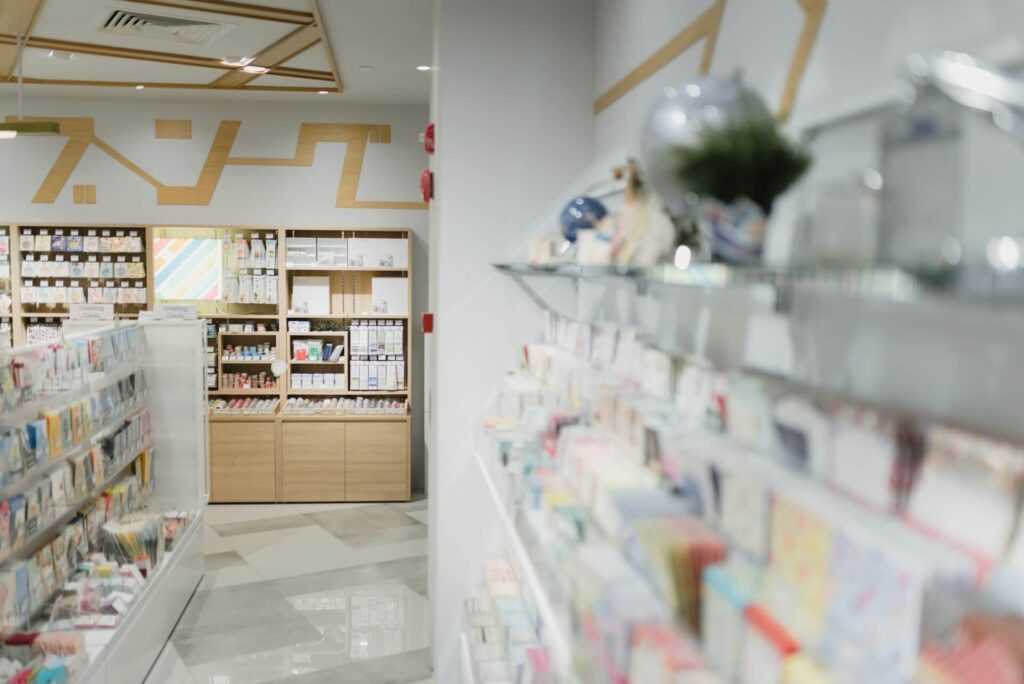
Top buys: Hada Labo hydrating serums, SK-II Facial Treatment Essence, Shiseido Ultimune, Curel UV protection, DHC cleansing oils. All significantly cheaper in Japan than in Singapore.
100-Yen Shop Finds (Daiso and Beyond)
Japan’s 100-yen shops — primarily Daiso, Seria, and Can Do — are a category unto themselves. The product quality vastly exceeds what the price point suggests. Kitchen tools, stationery, cosmetics, storage solutions, travel accessories, and seasonal goods are all available for ¥110 (including tax).
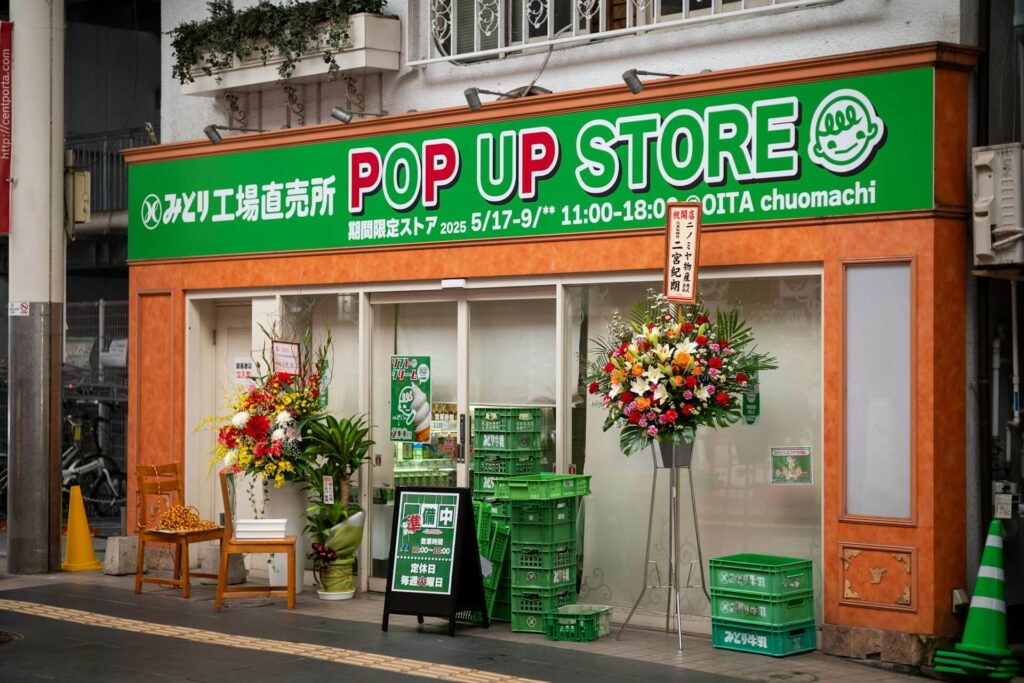
Shopping strategy: Allow at least an hour and bring an extra bag. Most serious Japan shoppers leave 100-yen shops with more than planned.
Electronics and Gadgets
Beyond Akihabara, electronics are worth buying across Japan. Tax-free purchases on spending over ¥5,000 (with passport) make cameras, portable audio equipment, and small appliances significantly cheaper than in Singapore. Japanese-market-only products — certain Sony Walkman models, Sharp appliances, Panasonic rice cookers — are worth seeking out specifically.
Food Souvenirs (Omiyage)
Food gifts, called omiyage, are a Japanese institution. Department stores, airports, and tourist areas all have dedicated omiyage sections. Top picks: KitKat regional flavors (matcha, sake, wasabi — only available in Japan), regional wagashi sets, premium soy sauce, quality matcha powder, and Hokkaido dairy confections.
Tax-Free Shopping in Japan: How It Works
Japan offers consumption tax exemption (10%) to overseas visitors on qualifying purchases. This makes an already-competitive price point even better for shoppers from Singapore.
How to claim tax-free shopping:
- Bring your passport — you must present it at the register
- Spend ¥5,000 or more at a single store in a single visit
- Look for “Tax Free” signage — most major stores, department stores, and electronics retailers participate
- Items must be exported from Japan (don’t open consumables before leaving)
Where it applies: Akihabara electronics stores, Ginza department stores, major drugstores, and most large retailers. Street markets and small shops typically do not participate.
Seasonal Sales and Best Times to Shop in Japan
Timing your Japan shopping trip around sales periods can mean discounts of 30–70%.
New Year Sales (January 1–3)
The most significant retail event in Japan. Department stores slash prices dramatically and sell “fukubukuro” — lucky bags filled with mystery products worth 3–10x the bag price. Queues form before opening. Worth planning your trip around if you’re a serious shopper.
Summer Sales (July–August)
Both summer and winter clearance sales run for 2–4 weeks. Summer sales begin in late June and peak in mid-July, offering the best prices on spring/summer fashion and seasonal goods.
End-of-Season Clearances
Japan has two major fashion seasons, and end-of-season clearances in March and September offer genuine discounts. Department stores mark down premium merchandise significantly to clear inventory.
Best overall month for shopping from Singapore: January (New Year sales) or September (summer clearance plus comfortable weather for carrying bags).
Practical Japan Shopping Tips
Before you hit the stores, a few practical points that will save you time and money.
- Cash vs. cards: Most large retailers, department stores, and chains accept credit cards. Small shops, markets, and specialist stores often prefer cash. Carry ¥20,000–¥30,000 for a full shopping day.
- ATMs: 7-Eleven ATMs accept most international cards and offer excellent exchange rates. Japan Post ATMs also work reliably.
- Store hours: Department stores typically open 10 AM and close 8–9 PM. Electronics stores in Akihabara often stay open until 10 PM.
- Luggage: If you buy more than you can carry, major hotels offer same-day luggage forwarding (takuhaibin) to the airport — about ¥1,500–¥2,000 per bag. Very convenient for shoppers.
- Packing space: Many experienced Japan shoppers from Singapore pack a collapsible extra bag specifically for the return journey.
FAQ
What is the best shopping area in Japan for tourists?
Akihabara (electronics, anime), Harajuku (fashion), and Ginza (luxury and department stores) are Tokyo’s top three shopping districts for tourists. In Kyoto, Nishiki Market and the Higashiyama craft shops are the best. For a broad Japan shopping experience, Tokyo covers the most categories.
What should I buy in Japan as souvenirs?
Top Japan souvenir buys: regional KitKat flavors, matcha products, high-quality kitchen knives (especially from Kyoto or Tokyo’s Kappabashi district), skincare and cosmetics not sold outside Japan, and traditional crafts like lacquerware or ceramics. For families back in Singapore, omiyage sets from department stores are reliable and well-packaged.
Is shopping cheaper in Japan than Singapore?
Many categories are significantly cheaper in Japan, especially after applying tax-free exemptions. Japanese skincare, electronics, quality kitchen goods, and fashion brands are consistently better value than in Singapore. The yen’s weakness in recent years has made Japan particularly favorable for SGD-holders.
How does tax-free shopping work in Japan?
Present your passport at participating retailers when spending ¥5,000 or more in a single transaction. The 10% consumption tax is waived. You must export the items from Japan — consumables (food, cosmetics) must be sealed. Most major stores in tourist areas participate.
Are 100-yen shops worth visiting in Japan?
Absolutely. Japan’s 100-yen shops (Daiso, Seria, Can Do) sell genuinely useful, high-quality products at ¥110 each. Categories worth exploring: kitchen tools, travel accessories, stationery, cosmetics, storage solutions, and seasonal goods. Most experienced Japan travelers from Singapore leave with more than planned.
Ready to Plan Your Japan Shopping Trip?
Japan’s shopping scene rewards planning — knowing which districts to target, which sales to time your trip around, and which categories offer the best value from Singapore makes all the difference.
FindTourGo connects travelers from Singapore and across Southeast Asia with licensed Japan tour operators who offer dedicated shopping tours, cultural experiences, and custom itineraries across Tokyo, Kyoto, Osaka, and beyond.
Browse Japan Tours on FindTourGo — compare packages, read reviews, and book your Japan shopping trip with confidence.
Also planning to eat your way through Japan? Read our guide on the best Japan street food areas to pair great shopping with great eating.