Vietnam Festivals, Nature & Adventure Tours Guide
11 minutes
9/15/2025

Introduction
Vietnam’s appeal extends far beyond its famous cities and UNESCO heritage sites. The country hosts some of Southeast Asia’s most spectacular festivals, maintains extraordinary natural diversity across jungle-covered mountains, massive cave systems, and river delta networks, and offers adventure activities ranging from world-record cave expeditions to multi-day motorbike traversals of remote highlands. For travelers willing to look beyond the classic Hanoi–Ha Long–Hoi An circuit, Vietnam reveals a depth that few countries in the region can match.
Vietnam festivals are anchored by the lunar calendar, which means the most significant celebrations shift dates each year and require advance planning to experience. Tet — the Vietnamese Lunar New Year — transforms the entire country for 10 days with flower markets, dragon dances, and family gatherings on a scale that makes Christmas in Europe look subdued. But beyond Tet, a rotating calendar of regional and heritage festivals gives culturally engaged travelers compelling reasons to time their Vietnam tour around specific events.
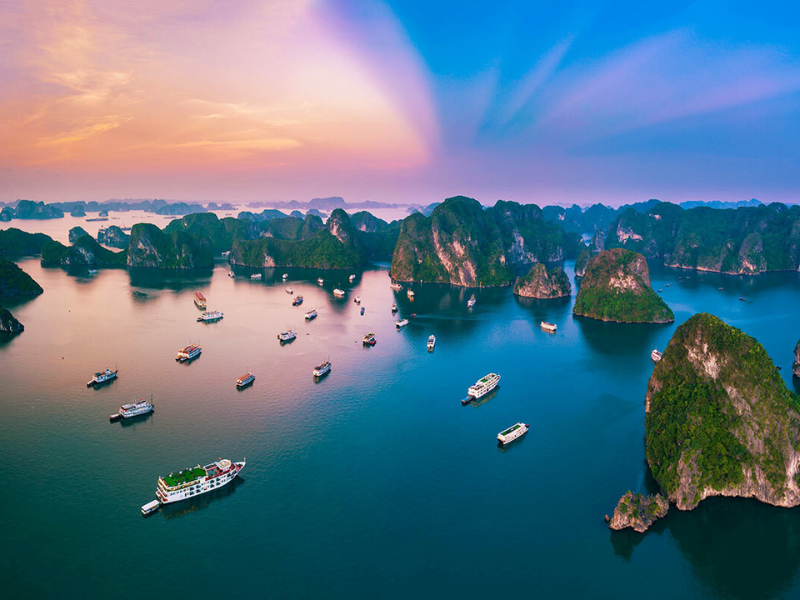
For adventure seekers, the geography is extraordinary. The north’s karst mountains and ethnic minority highlands host Asia’s finest trekking routes. The central highlands contain cave systems that include Son Doong — the world’s largest cave by volume, discovered only in 1991. The coastline offers surfable waves, kiteboarding conditions, and some of the Coral Triangle’s most accessible dive sites. Vietnam adventure tours are still relatively underdeveloped compared to the country’s potential, which means the experiences remain genuinely off the beaten track.
This guide covers Vietnam’s major festivals, the best nature destinations, top adventure activities, and how to plan trips that combine cultural timing with outdoor exploration.
Major Vietnam Festivals: When to Go and What to Expect
Tet Nguyen Dan — Vietnamese Lunar New Year
Tet is the most important festival in the Vietnamese calendar — a celebration of the new year, family reunion, and ancestral reverence that typically falls between late January and late February. The entire country shifts into celebration mode for approximately 10 days, with the most intense activity in the 3–5 days surrounding the new year itself.
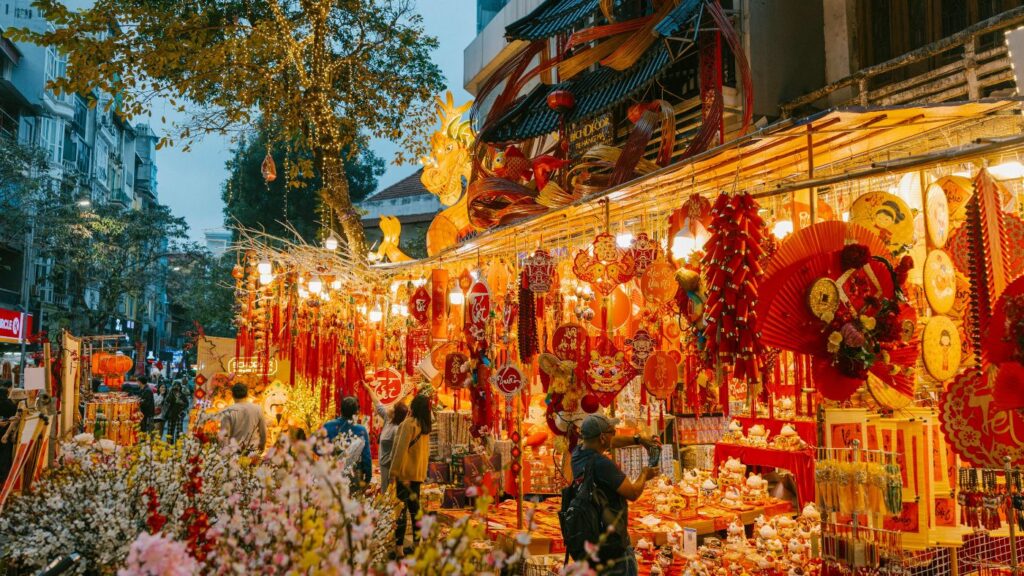
What you’ll see: Cities transformed by kumquat trees and peach blossom branches (northern tradition) or yellow apricot blossoms (southern). Flower markets appearing overnight in Hanoi’s Old Quarter and Ho Chi Minh City’s parks. Dragon and lion dances in every neighborhood. Temples overflowing with incense smoke and prayer offerings. Fireworks displays over major rivers and lakes at midnight.
Practical note: Tet is not ideal for restaurant-and-sightseeing tourism. Many businesses close for 3–7 days; tourist sites are extremely crowded with domestic travelers; transport becomes difficult. However, for cultural immersion — experiencing Vietnam as Vietnamese people live it — Tet is unmatched. Travelers who have local contacts or book homestays in smaller towns often describe Tet as the most memorable experience of their travel life.
Book 3–4 months in advance. Accommodation, domestic flights, and Ha Long Bay cruises sell out completely during Tet.
Hoi An Lantern Festival — Monthly Full Moon Celebration
The Hoi An Lantern Festival occurs monthly on the 14th day of the lunar calendar — roughly corresponding to the full moon. On this evening, the Ancient Town switches off electric lights, replaces them with hundreds of silk lanterns hanging from every building and bridge, and the Thu Bon River fills with floating candle lanterns released by visitors and locals.
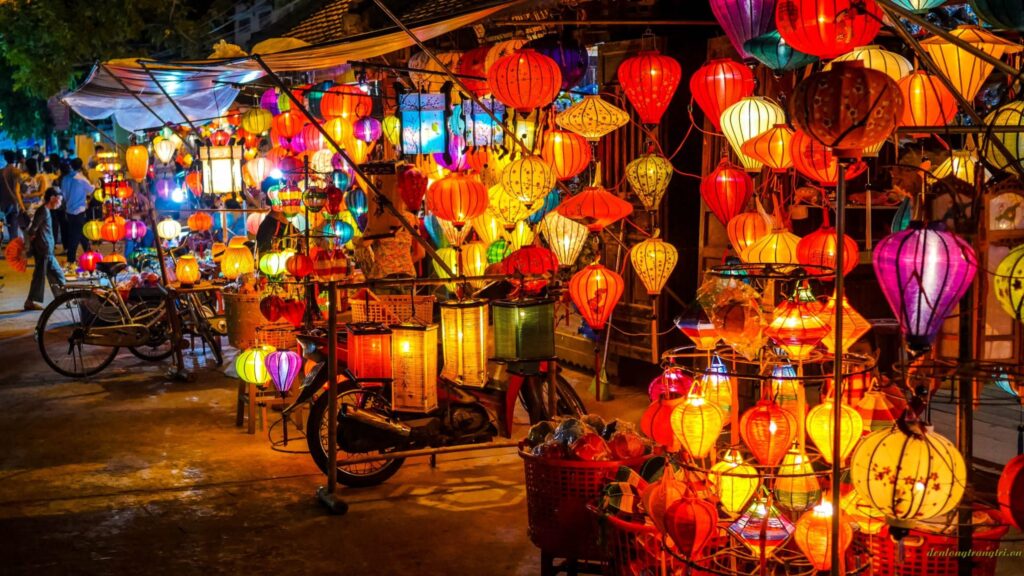
This is one of Vietnam’s most beautiful recurring events, accessible any month of the year without special planning. The atmosphere is genuinely magical rather than manufactured-for-tourism — the lantern tradition predates modern tourism by centuries, and the town’s architecture and scale make the transformation feel complete.
Best time to be in Hoi An: Book your Hoi An nights to overlap with the 14th lunar day. Most Vietnam tour packages can accommodate this with minor scheduling adjustments.
Hue Festival — Biennial Imperial Celebration
The Hue Festival occurs every two years (even-numbered years) in April, transforming Vietnam’s former imperial capital into a showcase of royal Vietnamese arts and culture. Events include classical court music (nha nhac, UNESCO Intangible Cultural Heritage), traditional opera, ceremonial parades in imperial costume, boat races on the Perfume River, and reconstructed royal banquets.
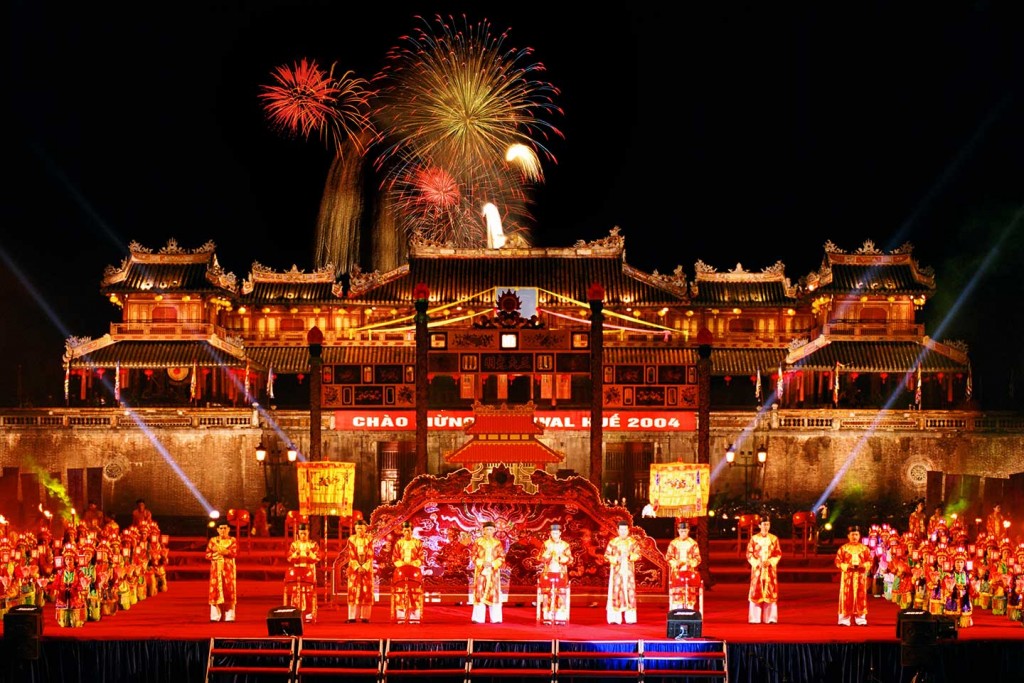
For travelers with an interest in Vietnamese history and classical arts, the Hue Festival represents a once-in-two-years opportunity to experience imperial culture at full expression. It’s significantly less attended by international tourists than Tet or the Hoi An lantern festival, making it an excellent choice for travelers who want cultural depth without crowd pressure.
Ha Giang Buckwheat Flower Festival — October to November
Less well-known internationally but extraordinary visually, the buckwheat flower season in Ha Giang province transforms the northern highlands into a pink-and-white floral landscape. The blooms typically peak in October–November, coinciding with the harvest season for the Hmong, Tay, and Dao ethnic communities who cultivate the flowers.
Ha Giang’s weekly market at Dong Van draws ethnic minority communities from surrounding villages — one of the most authentic market experiences in Vietnam, where trade, socializing, and cultural exchange happen exactly as they have for generations.
Vietnam Nature Tours: Landscapes Worth Planning Around
Ha Giang Loop — Northern Highlands Trekking
The Ha Giang Loop in Vietnam’s northernmost province is consistently rated among Southeast Asia’s finest road journeys and trekking routes. The route winds through the Dong Van Karst Plateau Geopark (UNESCO Global Geopark), past impossibly steep rice terraces, limestone peaks, and Hmong village markets.
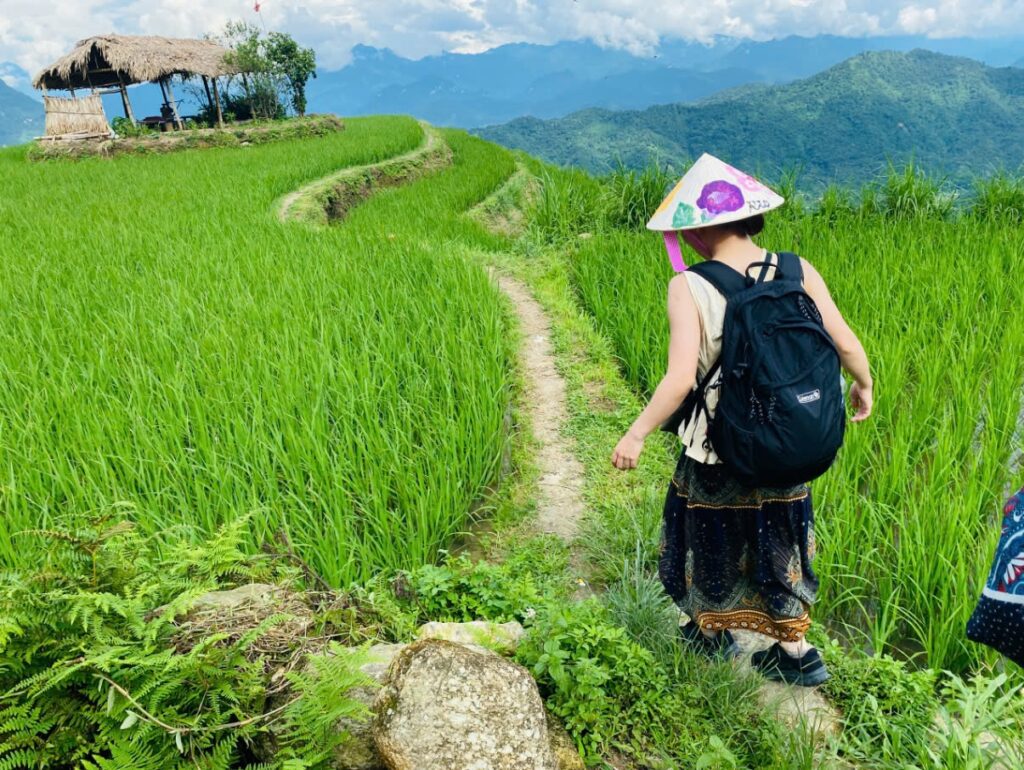
By motorbike: The full loop takes 3–5 days and covers 350km of mountain roads. Self-guided rentals are available, but guided tours with local Hmong or Tay guides provide deeper cultural access and significantly better navigation through unmarked village routes.
By trekking: Multi-day trekking routes through Ha Giang connect villages via footpaths that the dirt roads bypass entirely. Homestays with local families are the standard accommodation — basic by hotel standards, extraordinary by experience standards.
The best time is September–November, when rice harvest turns the terraces gold-to-amber, and again March–April when buckwheat and rapeseed flowers bloom.
Sapa and the Fansipan Range — Classic Northern Trekking
Sapa in Lao Cai province has been Vietnam’s most accessible mountain trekking destination for international visitors since the 1990s. The town sits at 1,500m elevation; the surrounding valleys host Hmong, Red Dao, and Giay ethnic communities farming rice terraces that cascade 600 meters down to the Muong Hoa River valley.
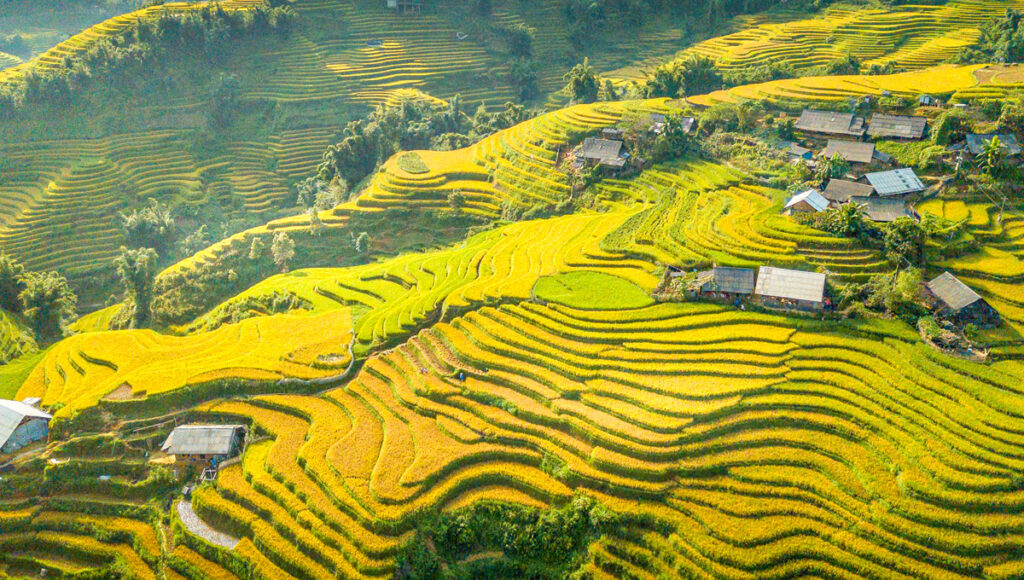
Fansipan Summit: At 3,143 meters, Fansipan is Vietnam’s highest peak. A cable car (the world’s longest three-rope cable car system) now makes the summit accessible in 15 minutes. The traditional trekking route takes 2–3 days with camping and requires a licensed guide. Both options end at the same summit views; the trekking version earns them differently.
Trekking to ethnic villages: Sapa’s best trekking involves walking from village to village — Cat Cat, Lao Chai, Ta Van — with local guides who speak both Vietnamese and the ethnic minority languages. The guides’ cultural interpretation is the differentiator between a scenic walk and an education.
Phong Nha-Ke Bang: The World’s Cave Capital
Phong Nha-Ke Bang National Park in Quang Binh province contains the world’s largest cave systems by volume and is the destination for serious Vietnam adventure tours in natural environments.
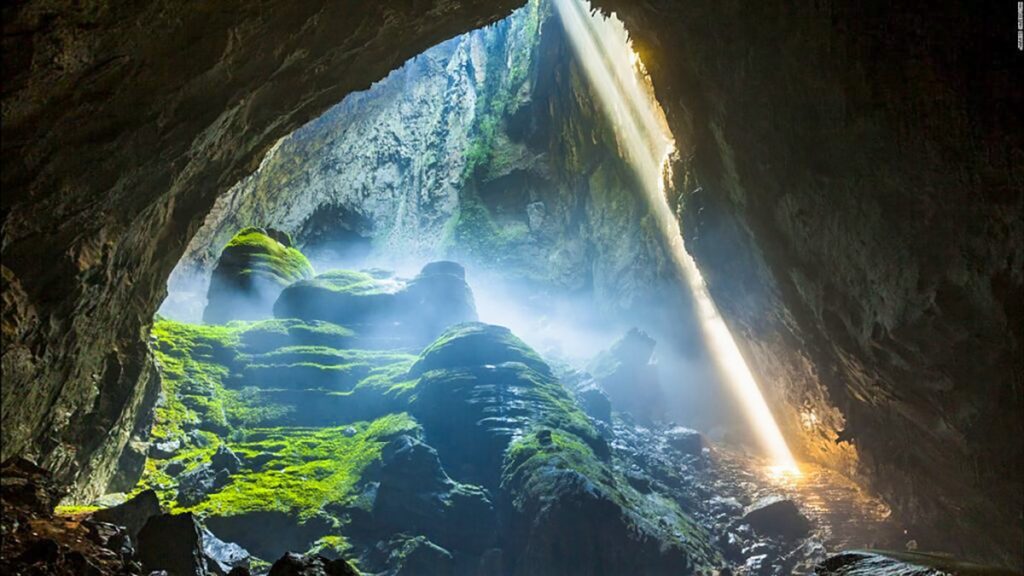
Son Doong Cave is the centrepiece — the world’s largest cave, with passages large enough to contain a Boeing 747, internal weather systems, and a jungle ecosystem that grows where natural skylights open in the cave ceiling. Expedition tours into Son Doong run for 6 days/5 nights with total capacity of only 1,000 visitors per year. Tours sell out 12–18 months in advance. Price: approximately USD 3,000 per person.
Paradise Cave (Thien Duong) is Son Doong’s accessible neighbor — 31km of documented passages, extraordinary stalactite formations, and day-trip access from Phong Nha town without advance booking. The 1km public walkway into the cave gives a genuine sense of geological scale.
Underground river kayaking in Phong Nha Cave combines a boat journey through ancient river cave passages with guided explanation of the karst geology. A half-day experience bookable locally.
Mekong Delta Boat Tours — Vietnam’s River Life
The Mekong Delta in southern Vietnam represents a completely different natural and cultural experience from the north’s mountains. The delta — where the Mekong River fans into nine branches before reaching the South China Sea — sustains 20 million people through rice farming, fruit orchards, aquaculture, and floating market trade.
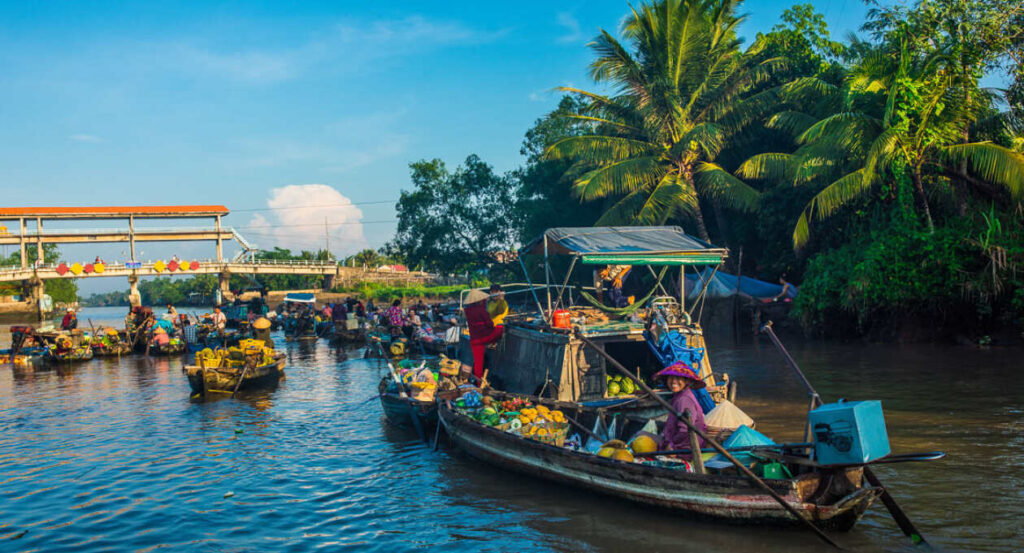
Floating markets: Cai Rang (near Can Tho) and Cai Be are Vietnam’s most active floating markets, operating daily from 5–9am. Boats laden with tropical fruit, vegetables, and goods raft together; buyers and sellers conduct commerce entirely from the water. The experience is dying as road transport replaces river trade — visiting now, while the markets remain active, is a responsible travel choice.
Homestays and village cycling: Staying overnight in Mekong Delta homestays — in traditional stilt houses along river channels — gives access to early morning river life that day-trippers miss entirely. Village cycling routes through coconut groves, rice paddies, and orchards take 2–3 hours and require no special fitness.
Vietnam Adventure Activities: What’s Available and Where
Caving and Underground Exploration
Beyond Phong Nha, Vietnam’s cave network extends throughout the northern karst regions. Dark Cave (Quang Binh) combines zip-line entry, kayaking, mud bathing, and cave swimming in one adventure package accessible to non-specialists. Tu Lan Cave system offers 2–4 day expedition experiences with jungle camping and multiple cave systems.
Vietnam Trekking and Hiking
Beyond Sapa and Ha Giang, Vietnam offers excellent trekking in:
Cao Bang province — waterfalls, ethnic Tay villages, and the spectacular Ban Gioc waterfall on the Chinese border
Cat Ba Island — jungle trekking in Cat Ba National Park with Ha Long Bay boat approaches
Bach Ma National Park — cool mountain forest in central Vietnam, significantly less visited than northern trekking routes
Multi-day treks with camping or homestay accommodation are the recommended format for serious hikers. Local guide requirements apply in most national parks.
Coastal Vietnam Outdoor Activities
Vietnam’s 3,260km coastline creates conditions for a variety of water-based outdoor activities:
Kiteboarding and windsurfing: Mui Ne (Phan Thiet) has among the most consistent winds in Southeast Asia and is Vietnam’s kiteboarding capital. Lessons and equipment hire are available; beginner packages run 3–5 days.
Diving and snorkeling: The waters around Con Dao Islands (formerly Con Son) contain some of the best preserved coral reef in Vietnam, with hawksbill turtle nesting beaches and zero mass tourism. Phu Quoc’s northern waters and the waters around Nha Trang offer accessible dive sites for certified divers.
Surfing: Da Nang and the beaches around Hoi An receive surfable swells from September to January. Basic surf lessons are available on My Khe Beach; more serious surf is found at secluded reef breaks south of Danang.
Planning Vietnam Festivals and Adventure Tours
Book festival trips 3–4 months in advance, especially for Tet (accommodation sells out), Son Doong expeditions (12–18 months in advance), and the Hue Festival (popular accommodation books fast in April).
Use local specialist operators for Ha Giang, Son Doong, and Mekong Delta experiences. The quality difference between licensed local operators and generic tour desks is significant in adventure contexts where safety, cultural access, and guide knowledge genuinely matter.
Combine cultural and adventure: The most rewarding Vietnam itineraries layer cultural experiences (festivals, temples, food) with outdoor activities. A 14-day itinerary might combine Hanoi, a Ha Giang motorbike loop, an overnight Ha Long Bay cruise, and a Hoi An lantern festival stay.
FAQ
When is Tet in Vietnam and should I plan my trip around it?
Tet falls between late January and late February, depending on the lunar calendar. If you want to experience it, book 3–4 months ahead — domestic flights and hotels sell out completely. If you prefer quieter sightseeing conditions, avoid Tet entirely as many businesses close and tourist sites are packed with domestic travelers.
Do I need to be fit to do Vietnam trekking?
It depends on the route. Sapa village treks and Ha Giang day hikes require reasonable walking fitness but no technical skills. Ha Giang multi-day routes and Phong Nha cave expeditions require better fitness. Son Doong is physically demanding — participants complete a fitness screening. Always check operator requirements before booking.
What’s the best season for Vietnam adventure tours?
October to April is generally optimal for the north (Ha Giang, Sapa) and Phong Nha caves. February to August suits central coastal outdoor activities. Avoid Vietnam adventure tours during typhoon season (July–September in the north; September–November in the center).
Is Vietnam safe for outdoor adventure activities?
Yes, with licensed operators. Vietnam’s adventure tourism sector is regulated, and reputable operators maintain good safety standards. The main risk is using unlicensed guides for cave or mountain activities — always book through established operators with verifiable track records.
Can I combine a Vietnam festival trip with nature tours?
Absolutely. Many travelers combine Hoi An (for the monthly lantern festival) with Phong Nha caving or Hue Festival visits. The October–November Ha Giang buckwheat season coincides with peak northern trekking conditions. Itinerary design around festival timing is possible — most FindTourGo operators can customize packages to align with specific festival dates.
Ready to Plan Your Vietnam Adventure?
From Tet dragon dances in Hanoi’s Old Quarter to kayaking through prehistoric cave passages in Phong Nha, Vietnam’s festivals and natural landscapes offer experiences that stay with travelers for years. Explore Vietnam adventure and nature tour packages on FindTourGo to find itineraries built around your interests — whether that’s cultural festivals, mountain trekking, or underground exploration.
Looking to combine Vietnam’s festivals and nature with its cities and coast? Our full Vietnam travel packages cover everything from classic Hanoi–Ha Long–Hoi An circuits to off-the-beaten-path highland routes. Find the right itinerary and start planning your Vietnam adventure today.