US Tourist Visa Guide 2026: Everything You Need to Know Before Applying
10 minutes
7/17/2026

The United States has long been one of the world’s most sought-after travel destinations. From the iconic skyline of New York City and the breathtaking Grand Canyon to Disneyland and California’s scenic coastal highways, every corner of the country offers unforgettable experiences. Before planning your American adventure, however, the first step is securing a US tourist visa.
Many travelers believe that obtaining a U.S. visa is extremely difficult. In reality, your chances of approval increase significantly if you prepare your documents carefully, clearly explain the purpose of your trip, and answer the interview questions honestly and confidently.
In this guide, you’ll learn everything you need to know about applying for a U.S. tourist visa, including eligibility requirements, required documents, the application process, and practical tips to help you prepare for your journey.
What Is a U.S. Tourist Visa?
A U.S. tourist visa is a non-immigrant visa that allows foreign nationals to enter the United States temporarily for tourism, sightseeing, visiting family or friends, or receiving medical treatment.
For Vietnamese travelers, the most common visa category is the B1/B2 visa, which includes:
- B1 Visa: For short-term business activities, meetings, conferences, or professional events.
- B2 Visa: For tourism, vacations, visiting relatives or friends, and medical treatment.
Today, most Vietnamese applicants receive a combined B1/B2 visa, allowing them to travel for both business and tourism purposes when eligible.
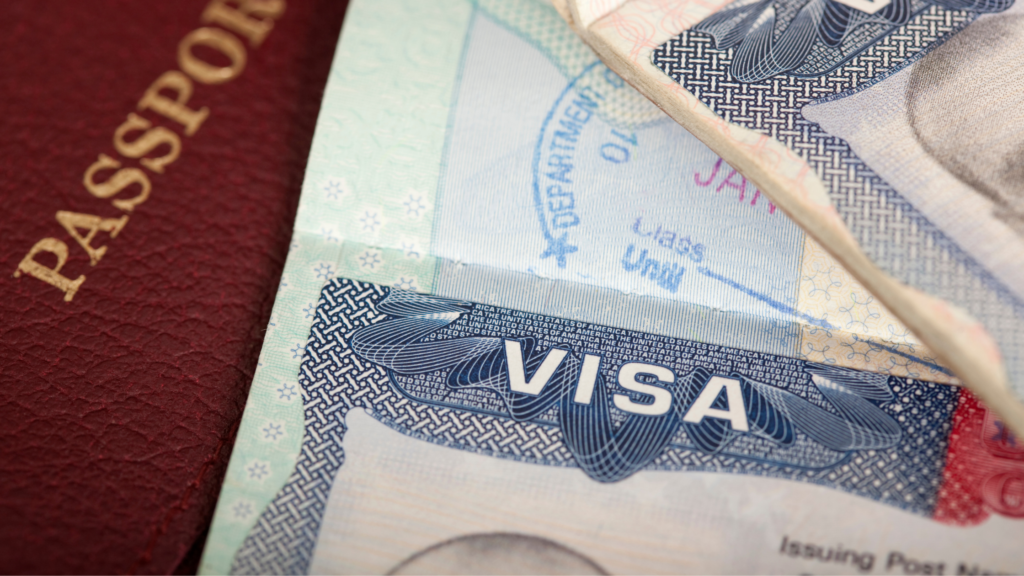
It’s important to note that holding a valid visa does not guarantee entry into the United States. The final decision is made by the U.S. Customs and Border Protection (CBP) officer at your port of entry.
How Long Is a U.S. Tourist Visa Valid?
One of the biggest advantages of a U.S. tourist visa is its relatively long validity.
For Vietnamese citizens, a B1/B2 visa generally offers:
- A validity period of up to 12 months.
- Multiple entries during the visa’s validity.
- A stay of up to six months per visit, subject to approval by the immigration officer upon arrival.
If you wish to remain in the U.S. beyond the authorized period, you must apply for an extension with the U.S. immigration authorities before your permitted stay expires.
Is It Difficult to Get a U.S. Tourist Visa?
This is one of the most common questions among first-time applicants.
The truth is that the U.S. Embassy and Consulate do not require a specific income level or minimum bank balance. Instead, they evaluate your overall profile to determine whether you have a genuine travel purpose and strong reasons to return to your home country after your trip.
Some of the key factors they consider include:
- Stable employment.
- Consistent income.
- Financial assets.
- Family ties.
- International travel history.
- A well-planned travel itinerary.
- Financial ability to cover your travel expenses.
In other words, an applicant with a modest income but a transparent and well-prepared application may have a stronger chance of approval than someone with significant assets but an unclear travel purpose.
Who Is Eligible for a U.S. Tourist Visa?
There is no universal checklist that guarantees visa approval. However, your application will generally be stronger if you can demonstrate the following:
Stable Employment
If you are employed by a company, prepare documents such as:
- Employment contract.
- Position confirmation or appointment letter (if applicable).
- Leave approval letter.
- Salary slips or payroll statements.
If you own a business, you may include:
- Business registration certificate.
- Tax records.
- Company bank statements.
Retired applicants should prepare their retirement certificate or pension documents.
Financial Capability
Although there is no official minimum financial requirement, you should be able to demonstrate that you can afford your trip through documents such as:
- Savings account statements.
- Bank statements.
- Property ownership certificates.
- Vehicle registration.
- Investment or stock portfolios, if applicable.
These documents help prove that you can finance your trip without seeking unauthorized employment in the United States.
Strong Ties to Your Home Country
This is one of the most important factors in your visa application. You should be able to demonstrate compelling reasons to return home after your trip, such as:
- Immediate family living in Vietnam.
- Stable employment.
- Business ownership.
- Children currently attending school.
- Property or long-term financial commitments.
The stronger your ties to your home country, the more convincing your application will be.
Required Documents for a U.S. Tourist Visa
Preparing a complete application package can make the visa process much smoother.
Personal Documents
You should prepare:
- A valid passport.
- Previous passports, if available.
- A visa photo that meets U.S. requirements.
- National ID card.
- Birth certificate (if required).
- Marriage certificate (if applicable).
Employment Documents
The required documents vary depending on your occupation.
| Category | Employment Documents |
| Employees | Employment contract. Approved leave letter. Salary statements. |
| Business Owners | Business registration certificate. Tax documents. Company-related records. |
| Students | Student ID. Enrollment confirmation letter. |
| Retirees | Retirement certificate. Pension documents. |
Financial Documents
Supporting financial documents may include:
- Savings account statements.
- Recent bank statements.
- Property ownership certificates.
- Vehicle registration.
- Other proof of assets, if available.
Travel Itinerary
You are not required to purchase flight tickets before obtaining your visa. However, preparing a realistic travel itinerary can strengthen your application. Your itinerary may include:
- Planned travel dates.
- Cities you intend to visit.
- Proposed hotel accommodations.
- Major attractions you plan to explore.
- Your expected return date to Vietnam.
A clear and reasonable travel plan demonstrates that your trip has been carefully planned and that your purpose of travel is genuine.
How to Apply for a U.S. Tourist Visa
If you’re applying for a U.S. tourist visa on your own, you’ll typically follow these steps.
Step 1: Complete Form DS-160
The DS-160 is the mandatory online application form for all non-immigrant visa applicants. You’ll be asked to provide information about:
- Personal details.
- Employment.
- Educational background.
- Travel history.
- Family information.
- Your travel plans in the United States.
Make sure every answer is accurate and truthful, as your responses may be verified during the visa interview.
Step 2: Pay the Visa Application Fee
After submitting your DS-160 form, you’ll need to pay the required visa application fee. Please note that this fee is non-refundable, even if your visa application is denied. For this reason, double-check all information before scheduling your interview.
Step 3: Schedule Your Visa Interview
Once your payment has been processed, you can book an interview appointment at either:
- The U.S. Embassy in Hanoi.
- The U.S. Consulate General in Ho Chi Minh City.
Interview wait times vary throughout the year, so it’s best to apply well in advance, especially if you’re planning to travel during peak holiday seasons.
Step 4: Organize Your Supporting Documents
Before your interview, organize your documents into separate categories:
- Personal documents.
- Employment documents.
- Financial documents.
- Travel itinerary.
Although consular officers may not ask to see every document, having everything prepared allows you to respond confidently if additional information is requested.
Tips for Your U.S. Tourist Visa Interview
The visa interview is often considered the most important part of the U.S. tourist visa application process. In most cases, the interview lasts only two to five minutes. During this short conversation, the consular officer will assess your travel purpose, credibility, and whether you are likely to return to your home country after your trip.
There’s no such thing as a “perfect answer” that guarantees visa approval. What matters most is that your responses are honest and consistent with the information you provided in your DS-160 application.
Keep Your Answers Honest and Concise
Honesty is the golden rule during your interview. Answer only what is being asked, and avoid giving unnecessary details. If you don’t understand a question, it’s perfectly acceptable to politely ask the officer to repeat or clarify it.
For example, if you’re asked:
“Why are you traveling to the United States?”
A simple answer like this is sufficient:
“I’m planning a two-week vacation to visit New York City, Washington, D.C., and California.”
A clear and straightforward response is usually more effective than an overly detailed explanation.
Know Your Travel Plan
You don’t need to memorize every detail of your itinerary, but you should know the basics, including:
- How long you’ll stay.
- Which cities you’ll visit.
- Who you’re traveling with.
- Who will pay for the trip.
- Where you’ll be staying.
Your answers should match the information in your application. Any inconsistencies may raise additional questions.
Dress Neatly and Stay Confident
There is no dress code for a visa interview. Business attire isn’t required, but you should dress neatly and appropriately. During the interview, remain calm, maintain eye contact, and speak naturally. Confidence comes from being well prepared, not from trying to impress the interviewer.
Common U.S. Visa Interview Questions
Every applicant’s interview is different, but these are some of the most frequently asked questions:
- Why are you traveling to the United States?
- How long do you plan to stay?
- Which cities will you visit?
- Who is paying for your trip?
- What do you do for a living?
- What is your monthly income?
- Have you traveled abroad before?
- Do you have any relatives in the United States?
- When will you return to Vietnam?
Some applicants receive only two or three questions before the interview is complete.
Common Reasons Why U.S. Tourist Visa Applications Are Denied
Many people assume that insufficient financial resources are the main reason for visa denial. In reality, even financially strong applicants may be refused if they fail to convince the consular officer of their travel intentions.
Inconsistent Information
Everything in your DS-160 form, supporting documents, and interview responses should be consistent. Even small discrepancies can lead to additional scrutiny.
Weak Ties to Your Home Country
This is one of the most common reasons for refusal. If you cannot demonstrate strong personal, professional, or financial ties to Vietnam, the consular officer may question whether you intend to return after your trip.
Limited Travel History
A limited travel history does not automatically lead to rejection. However, previous trips to countries such as Japan, South Korea, Australia, Canada, or the Schengen Area can strengthen your application, especially if you’ve always complied with visa conditions.
Incomplete Supporting Documents
Some applicants believe that bringing only a passport is enough. While consular officers may not ask to see every document, it’s always wise to prepare employment, financial, and travel documents in case additional verification is needed.
Tips to Improve Your Chances of Visa Approval
Although no one can guarantee a successful outcome, these practical tips can improve your chances of obtaining a U.S. tourist visa:
- Complete your DS-160 form accurately.
- Prepare a well-organized set of supporting documents.
- Have a realistic and detailed travel itinerary.
- Demonstrate stable employment and financial resources.
- Never submit false information or forged documents.
- Arrive on time for your interview.
- Answer questions clearly and honestly.
- Stay calm and confident throughout the interview.
A genuine and transparent application is always more convincing than one that appears overly prepared or exaggerated.
Frequently Asked Questions
Yes, but there is no official minimum amount required. The consular officer simply wants to see that you have sufficient funds to cover your travel expenses.
No. In fact, it’s generally recommended to wait until your visa has been approved before purchasing non-refundable flight tickets.
Not necessarily. A proposed accommodation plan or a reservation with free cancellation is usually sufficient if you want to include it in your travel itinerary.
Yes. There is no mandatory waiting period before reapplying. However, it’s advisable to understand why your previous application was refused and address those issues before submitting a new application.
Applying for a U.S. tourist visa doesn’t have to be overwhelming. With careful preparation, accurate documentation, and honest communication during your interview, you can significantly improve your chances of approval.
Instead of worrying about visa myths or searching for “secret tips,” focus on building a strong and credible application that clearly demonstrates your travel purpose and your intention to return home after your trip.
With the right preparation, you’ll be one step closer to experiencing everything the United States has to offer—from world-famous cities and breathtaking national parks to diverse cultures, unforgettable road trips, and iconic attractions.

Browse our selection of U.S. tour packages to find an itinerary that matches your travel style and budget. With expert guidance, well-planned schedules, and comprehensive travel support, you can enjoy a smooth, memorable, and worry-free journey across the United States.