Discovering Vietnam’s Wonders: A Journey Through Culture, Nature, and Adventure
5 minutes
9/15/2025
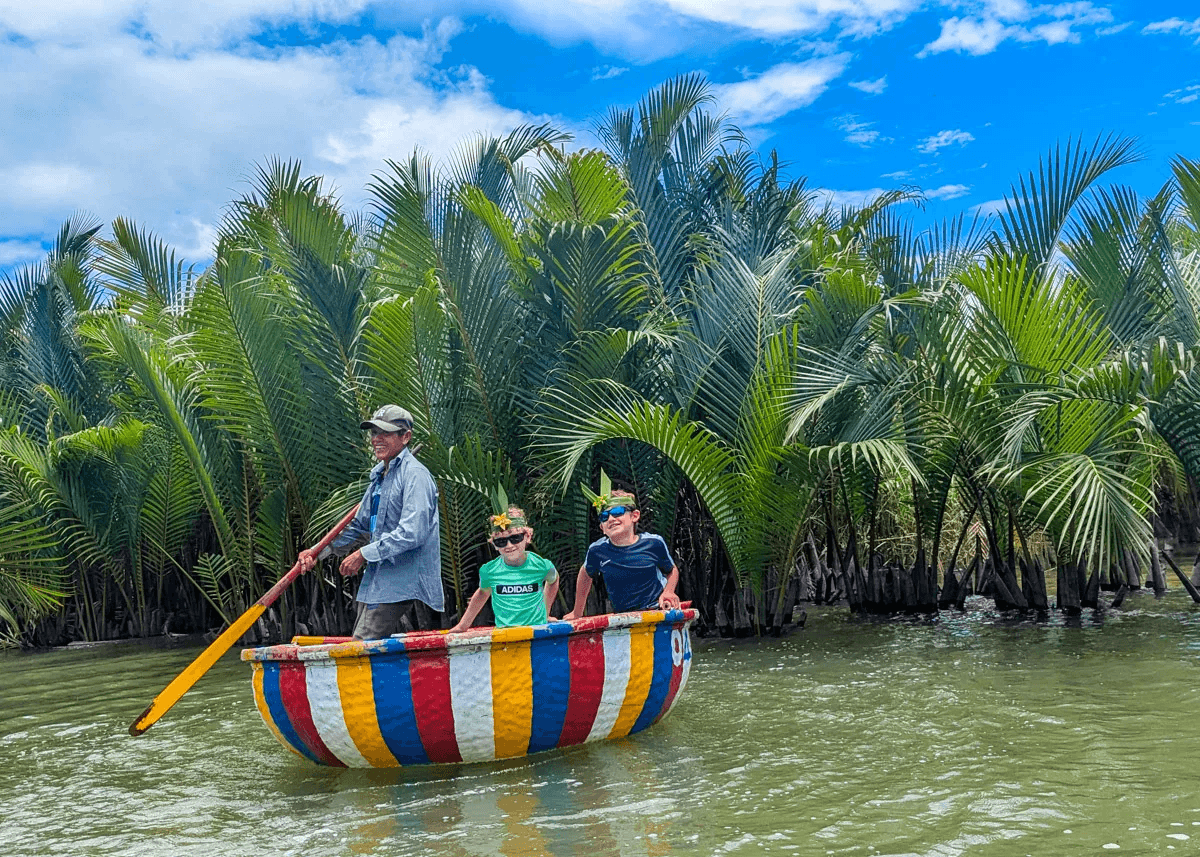
Vietnam, a land of captivating contrasts, beckons travelers with its vibrant cities, ancient traditions, and breathtaking natural beauty. From the bustling streets of Hanoi to the tranquil waters of Halong Bay, planning a journey here offers an immersive experience unlike any other.
This Travel Guide invites the curious explorer to delve into a country rich in history, exquisite cuisine, and unparalleled landscapes, with expert advice from Find Tour Go to ensure a seamless adventure.
Hanoi’s Heartbeat and the Majestic Halong Bay
The journey often begins in Hanoi, Vietnam’s evocative capital. Here, the traveler steps into a living museum where ancient temples stand alongside French colonial architecture.
Hanoi: The Old Quarter Buzz
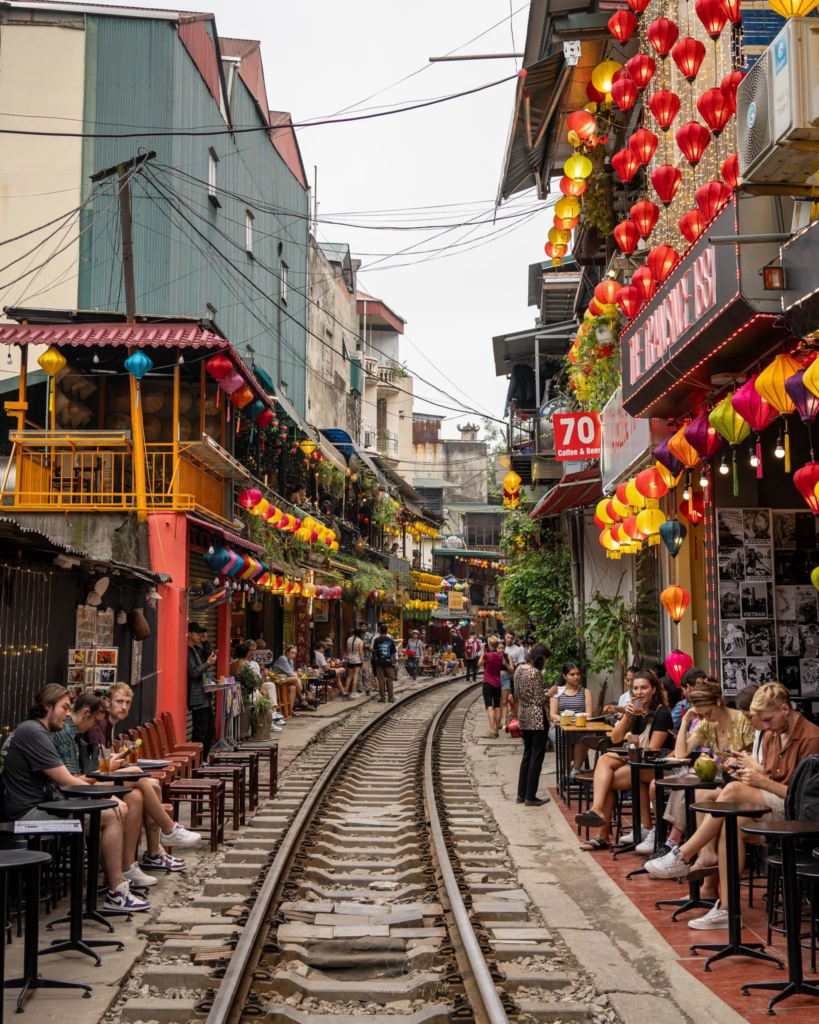
The Old Quarter, a maze of narrow streets, buzzes with life. You can wander through the “36 Streets,” each historically dedicated to a specific trade. A visit to Hoan Kiem Lake offers a serene escape, perhaps followed by a performance at the Thang Long Water Puppet Theatre.
Halong Bay: Limestone Karsts and Cruises
Hanoi is the gateway to one of Vietnam’s most iconic natural wonders: Halong Bay. The transition from city bustle to coastal calm is remarkably smooth, with comfortable transfers often included in a comprehensive package.
Halong Bay is a UNESCO World Heritage site, famous for its thousands of limestone karsts and islets that rise majestically from the emerald waters.
- Crucial Choice: Choosing the right Vietnam Halong Bay Cruise Package is vital. Options range from luxurious overnight experiences (including fine dining and Tai Chi on deck) to shorter day trips.
- Activities: A typical cruise includes kayaking through hidden lagoons, exploring ancient caves, and swimming in secluded coves.
- Booking Tip: Book your Halong Bay cruise 2-3 months in advance for peak season (October to April) to secure your preferred boat and itinerary.
Northern Highlands: The Enchanting Landscapes of Sapa
Beyond the mystical waters of Halong Bay lies Sapa, nestled in the Hoàng Liên Sơn mountain range. For many travelers, a Sapa Vietnam Tour represents the pinnacle of natural exploration and cultural immersion.
- Terraced Rice Paddies: Sapa is renowned for its breathtaking rice terraces, particularly stunning during the planting and harvesting seasons (May-June and September-October).
- Trekking & Culture: Guided treks allow you to explore hidden trails and witness panoramic views of Fansipan, Vietnam’s highest peak. Engaging with ethnic minority groups, such as the Hmong or Red Dao, through homestays or village visits provides a respectful cultural exchange.
- Practical Advice: Pack layers, as mountain weather is unpredictable, and sturdy walking shoes are essential.
EXPERT ITINERARY: Many travelers opt for a balanced Vietnam 5 Days Package that efficiently combines Hanoi, Halong Bay, and Sapa’s northern highlights.
Beyond the North: Central and Southern Charms
While northern Vietnam offers iconic sights, a comprehensive Vietnam travel itinerary often continues south, revealing the country’s incredible regional diversity.
Central Vietnam: History and Charm
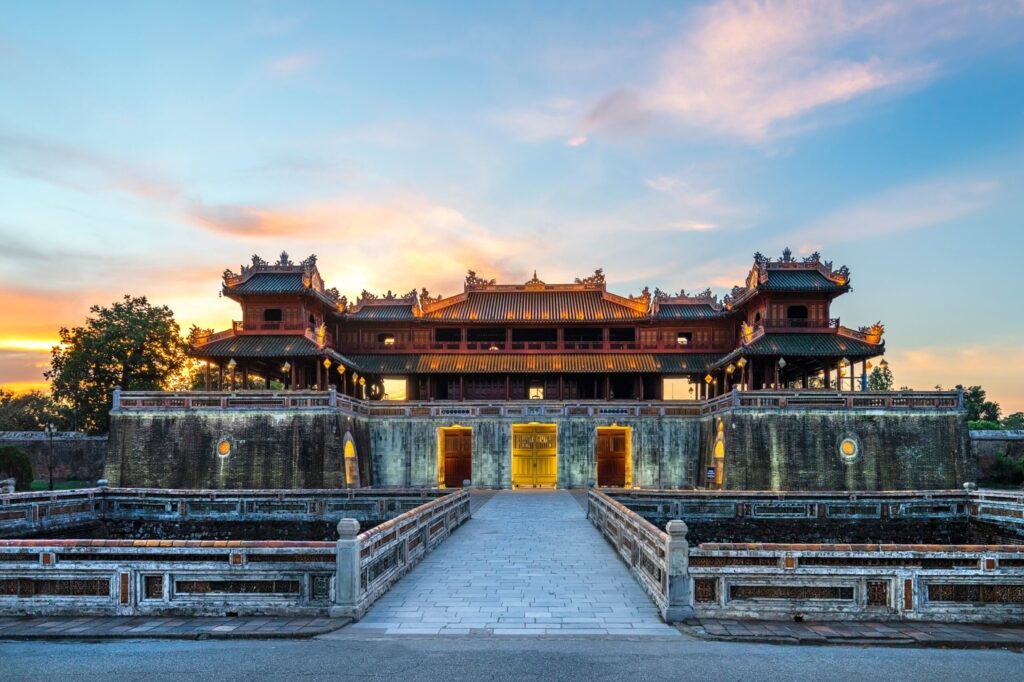
- Hue: The former imperial capital, home to the majestic Imperial City and the tranquil Perfume River. Hue’s cuisine is distinct, known for delicate imperial dishes.
- Hoi An: A UNESCO World Heritage town renowned for its lantern-lit Ancient Town. Explore the Japanese Covered Bridge, visit tailor shops, and enjoy the beautiful beaches nearby.
Southern Vietnam: Energy and River Life
- Ho Chi Minh City (Saigon): This sprawling metropolis is a hub of commerce. Explore the War Remnants Museum and the Reunification Palace. The city’s vibrant street food scene is a must-try.
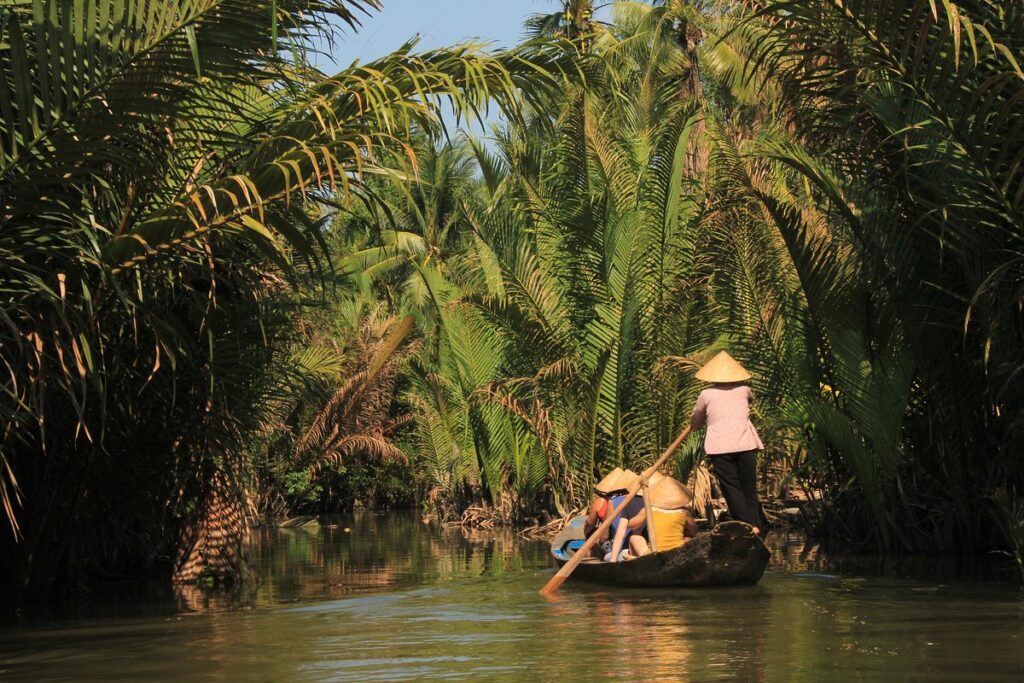
- Mekong Delta: Explore the “rice bowl” via boat trips through a labyrinth of canals and floating markets. Observing the daily rhythm of life along the river provides profound cultural insight.
EXPLORE CENTRAL REGIONS: Ready to explore the former capital? View Our Hue & Hoi An Central Vietnam Tours
Find Tour Go: Planning Your Unforgettable Vietnam Adventure
Embarking on a journey through Vietnam requires thoughtful planning to maximize the experience. We simplify the logistics so you can focus on the discoveries.
Essential Travel Tips
| Category | Advice for Travelers |
| Best Time to Visit | North: Oct–Apr (Dry Season). Central: Feb–May (Pleasant). South: Dec–Apr (Dry Season). |
| Visa | Most nationalities require a visa. Use the e-visa system where possible and ensure your passport has 6 months validity. |
| Currency & Cash | Use the Vietnamese Dong (VND). Carry cash for local markets and street food, as credit cards are mainly accepted at major hotels. |
| Etiquette | Dress modestly at temples (shoulders/knees covered). Always remove shoes before entering homes or pagodas. Use both hands when giving or receiving items. |
| Safety | Vietnam is generally safe. Be cautious of traffic when crossing streets (walk slowly and steadily). Drink only bottled water. |
Frequently Asked Questions (FAQs)
The best time to visit Halong Bay is typically from October to April. Booking 2–3 months in advance is recommended for peak travel times.
Yes, Vietnam is generally considered safe for solo travelers. Exercise common sense, be aware of your surroundings, and safeguard valuables.
Domestic flights are efficient for long distances. Overnight sleeper trains offer a unique experience. Comprehensive tours simplify logistics by providing all transportation.
Dress modestly at temples, remove your shoes before entering homes, and use both hands when passing or receiving items. Politeness and respect are highly valued.