Shirakawago Gifu in Four Seasons: A Timeless Village Through the Year

There are places in Japan where time seems to slow down. Shirakawago Gifu is one of them. Hidden among the mountains of Gifu Prefecture, this historic village feels like a scene from a Japanese fairy tale. Traditional wooden houses sit quietly beneath the mountains. Small roads wind through rice fields. Clear streams flow gently through the village.
And as the seasons change, Shirakawago transforms with them.
Spring brings fresh greenery and delicate blossoms. Summer covers the valley in vibrant shades of green. Autumn paints the mountains in gold and red. Then winter arrives, turning the entire village into a snow-covered wonderland.
The most distinctive feature of Shirakawago is its traditional gassho-zukuri houses. Their steep thatched roofs resemble two hands pressed together in prayer. This unique design was developed to withstand the region’s heavy snowfall.
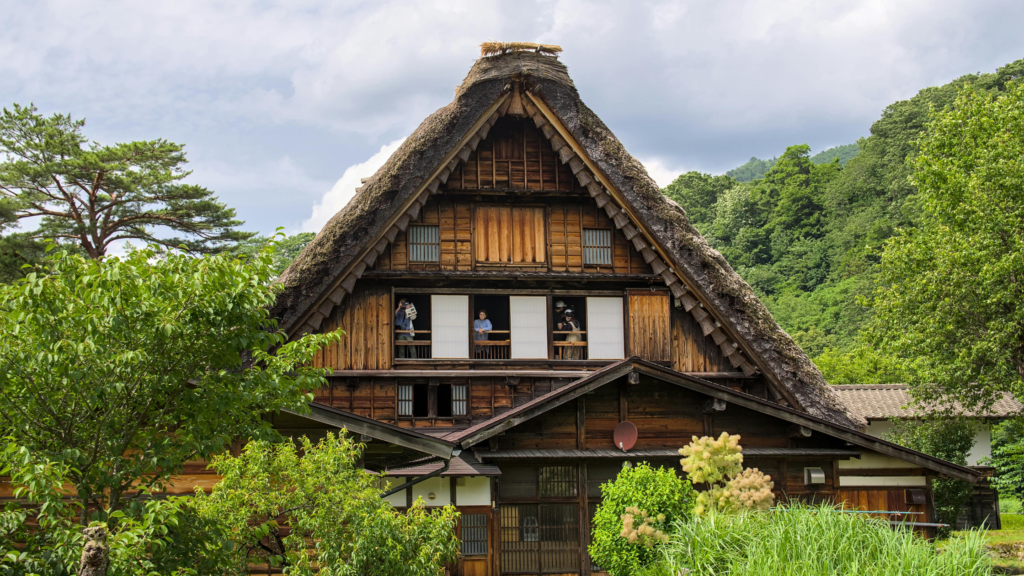
In 1995, Shirakawago and the nearby Gokayama area were recognized as a UNESCO World Heritage Site. But the charm of this village goes beyond its architecture. Shirakawago is still a living community. Local people continue to live among the traditional houses and fields. Everyday life carries on much as it has for generations.
This connection between nature, architecture, and local life is what makes the village so special. And perhaps the best way to experience it is to see how its beauty changes throughout the year.
Where Is Shirakawago Gifu?
Shirakawago is located in Gifu Prefecture, in the Chubu region of central Japan. The village sits in a mountain valley surrounded by the Hida Mountains. Its relatively remote location helped preserve its traditional architecture and rural character over the centuries.
The most famous area is Ogimachi, the largest village in Shirakawago. This is where visitors can find many of the traditional gassho-zukuri farmhouses that have become symbols of the region.
You can explore the village on foot, visit historic houses, and learn about the traditional lifestyle of the local community.
But there is no single “best” version of Shirakawago. The village changes dramatically with the seasons. So, the best time to visit depends on the kind of experience you want.
Shirakawago in Spring – When Nature Awakens
After a long winter, Shirakawago slowly begins to wake up. The snow gradually disappears from the rooftops. Fresh leaves begin to appear across the mountains. The fields and roads take on new shades of green.
Spring in Shirakawago feels gentle and peaceful. Unlike some of Japan’s most famous cherry blossom destinations, the village does not have the same overwhelming urban atmosphere.
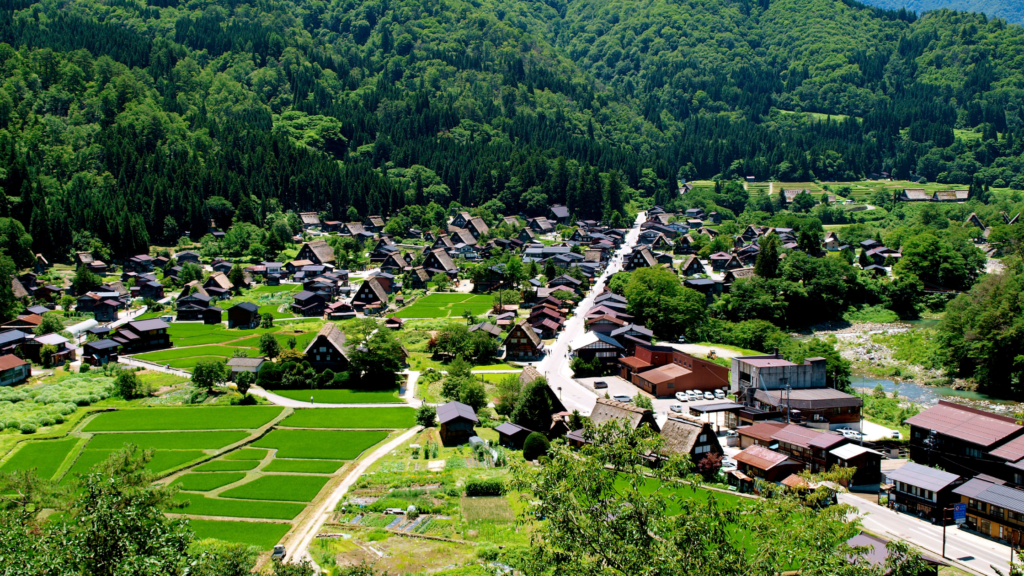
Instead, spring here feels much closer to nature. Walking through Ogimachi, you can admire the traditional gassho-zukuri houses surrounded by fresh greenery. The mountains gradually change color as new leaves appear. Small streams flow through the village, reflecting the blue sky above.
Depending on when you visit, you may also see delicate flowers blooming around the village. This is an ideal season for slow exploration. Walk along the narrow roads. Stop at a small café. Visit a traditional farmhouse. Or simply stand on a bridge and watch the water flow beneath you.
Spring may not be the most dramatic season in Shirakawago. But it is perhaps the most peaceful. It is a time when the village feels fresh, quiet, and full of new life.
Shirakawago in Summer – A Green Escape in the Mountains
Summer brings a completely different personality to Shirakawago Gifu. The entire valley becomes covered in vibrant green. Rice fields stretch across the landscape. Trees provide shade along the village paths. The traditional gassho-zukuri houses stand beautifully against the lush mountains.
Summer is also when Shirakawago feels most alive. You can hear birds singing in the trees. Water flows through small canals and streams. Farmers work in the surrounding fields. This is the season when Shirakawago feels most like a real Japanese countryside community.
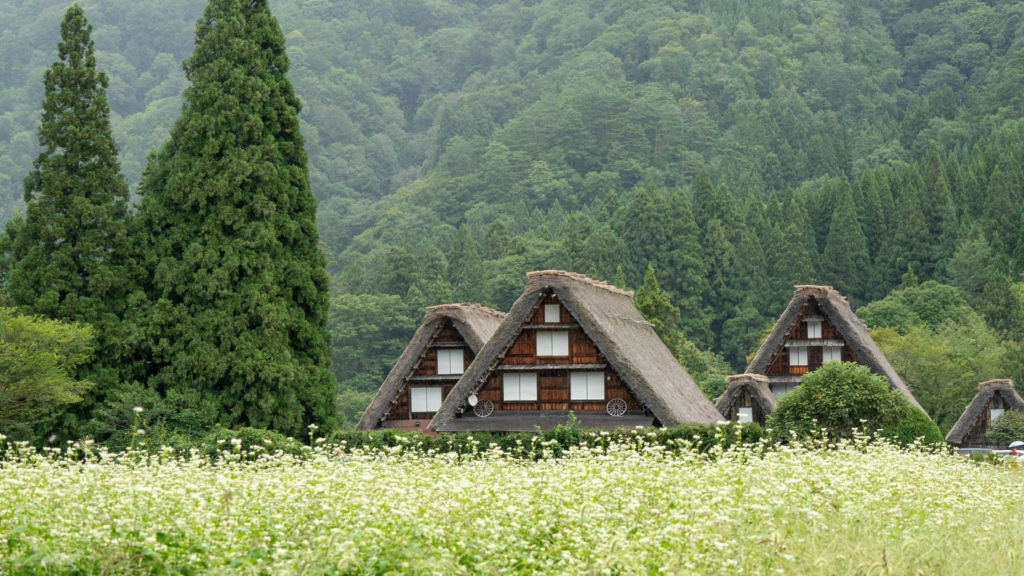
One of the best ways to experience the village is simply to walk. Start your morning in Ogimachi and explore the traditional houses at a relaxed pace. You can also visit local museums and historic buildings to learn more about the region’s architecture and history.
Gassho-zukuri Minka-en is another interesting stop. This open-air museum preserves more than 25 traditional houses. Visitors can learn more about the architecture and rural lifestyle of the area.
Summer is also a great season for exploring the surrounding nature. From higher viewpoints, you can see the village surrounded by endless green mountains. For travelers who enjoy warmer weather and outdoor activities, summer is an excellent time to visit.
Shirakawago may not have the magical snow-covered scenery of winter. Instead, it feels warmer and more authentic. The traditional houses no longer look like winter cottages. They feel like real homes surrounded by nature.
Shirakawago in Autumn – A Valley of Gold and Red
If winter is the season that made Shirakawago famous, autumn may be the most romantic. As temperatures begin to fall, the surrounding mountains slowly change color.
Green leaves turn yellow. Yellow becomes orange. Then shades of deep red begin to appear. The traditional gassho-zukuri houses remain unchanged. But everything around them transforms.
This contrast creates some of the most beautiful scenery in Shirakawago.
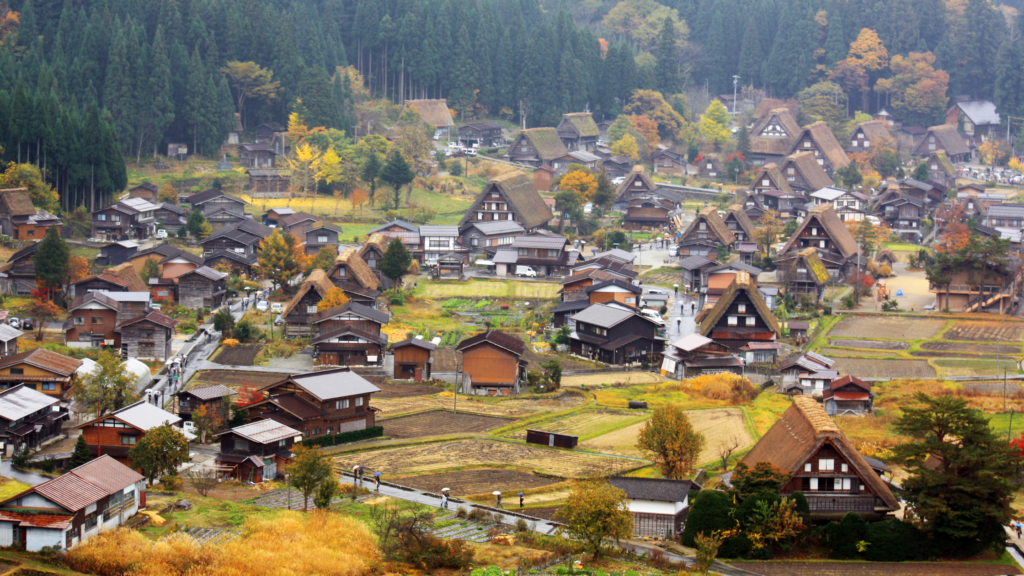
Imagine walking along a quiet country road. On one side are traditional thatched-roof houses. On the other, trees glow in shades of gold, orange, and crimson. Behind them, mountains covered in autumn foliage rise into the distance. The landscape can feel almost cinematic.
Autumn is also an excellent season for photography. The warm colors of the mountains create a beautiful backdrop for the traditional houses. Early mornings are particularly atmospheric. Mist may linger above the valley. The first sunlight slowly reaches the rooftops. The village gradually comes to life.
For travelers who want to enjoy Shirakawago without the extreme cold of winter, autumn is an excellent choice. It is also a wonderful season to combine Shirakawago with other destinations in central Japan.
You can explore historic towns, mountain landscapes, and traditional Japanese culture throughout the region. Then, as the final autumn leaves disappear, winter begins to arrive. Shirakawago prepares for its most famous transformation.
Shirakawago in Winter – A Snow-Covered Fairy Tale
This is the season that made Shirakawago Gifu famous around the world. When winter arrives, the entire valley is covered in snow. Thick layers of white snow settle on the traditional rooftops. The surrounding mountains become a sea of white.
As night falls, warm golden lights begin to glow from the windows. The contrast between the white snow and warm lights creates a scene that looks almost unreal. This is the image of Shirakawago that appears on countless travel photographs.
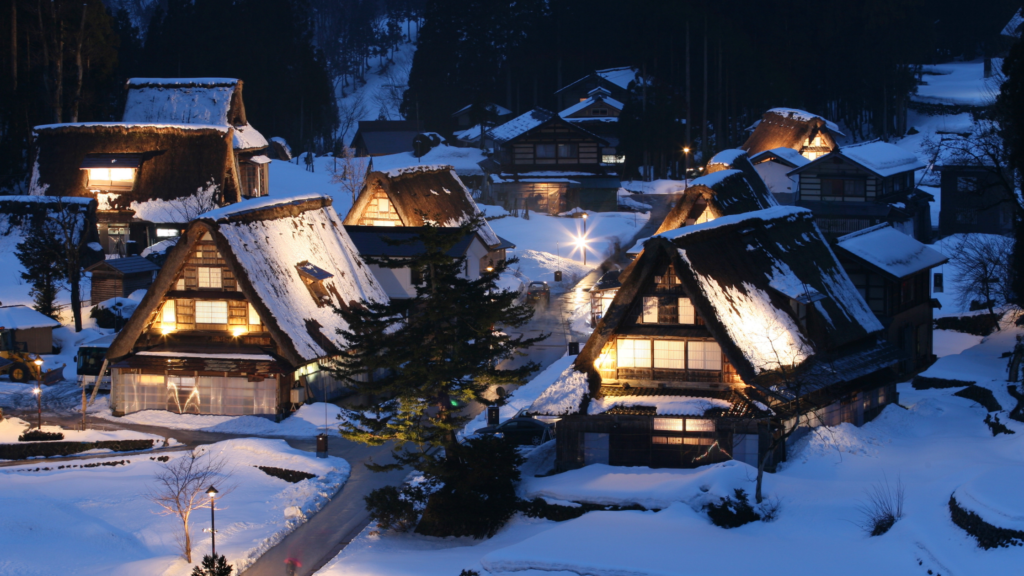
The region receives heavy snowfall during winter. This is one reason why the gassho-zukuri houses have such distinctive steep roofs. The design is not only beautiful. It is also practical.
The steep roofs allow snow to slide down more easily. This helps reduce the weight of heavy snowfall accumulating on the buildings. One of the most unforgettable experiences is seeing the village from above.
From the observation area, you can enjoy panoramic views across Ogimachi. Traditional houses appear scattered throughout the snow-covered valley. During special winter illumination events, Shirakawago becomes even more magical.
The traditional houses glow warmly against the dark winter sky. Snow-covered rooftops sparkle beneath the lights. It is easy to understand why so many travelers dream of visiting Shirakawago during winter.
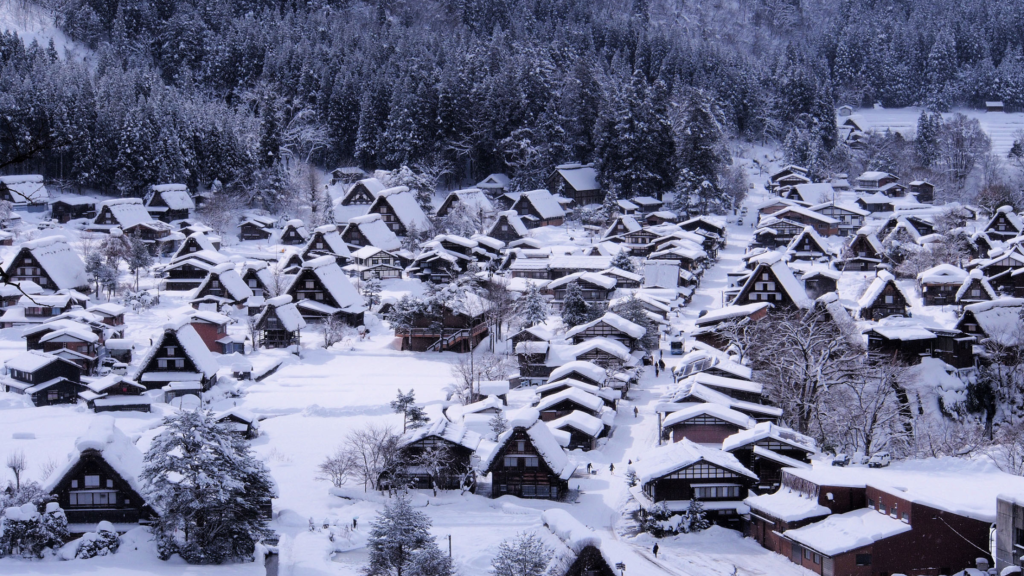
However, winter also requires more preparation. Snow can affect road conditions and transportation. Visitors should wear warm clothing and waterproof, non-slip shoes. Always check transportation conditions before your trip.
The winter scenery is breathtaking. But remember that Shirakawago is still a real community. Respect local residents and follow safety instructions when walking through snowy areas.
The Best Things to See and Do in Shirakawago
The changing seasons are one of Shirakawago’s biggest attractions. But there is much more to discover.
Explore Ogimachi Village
Ogimachi is the heart of Shirakawago. Take your time walking through the village and admiring its traditional architecture. Some of the best experiences come from slowing down.
Instead of rushing from one attraction to another, notice the small details. A wooden bridge. A quiet stream. A traditional garden. A farmhouse surrounded by flowers. These simple moments often become the most memorable parts of a trip.
Visit a Traditional Gassho-zukuri House
Several traditional houses are open to visitors. Stepping inside gives you a glimpse into how people lived in this mountainous region in the past. The large upper floors show how local families made practical use of their homes.
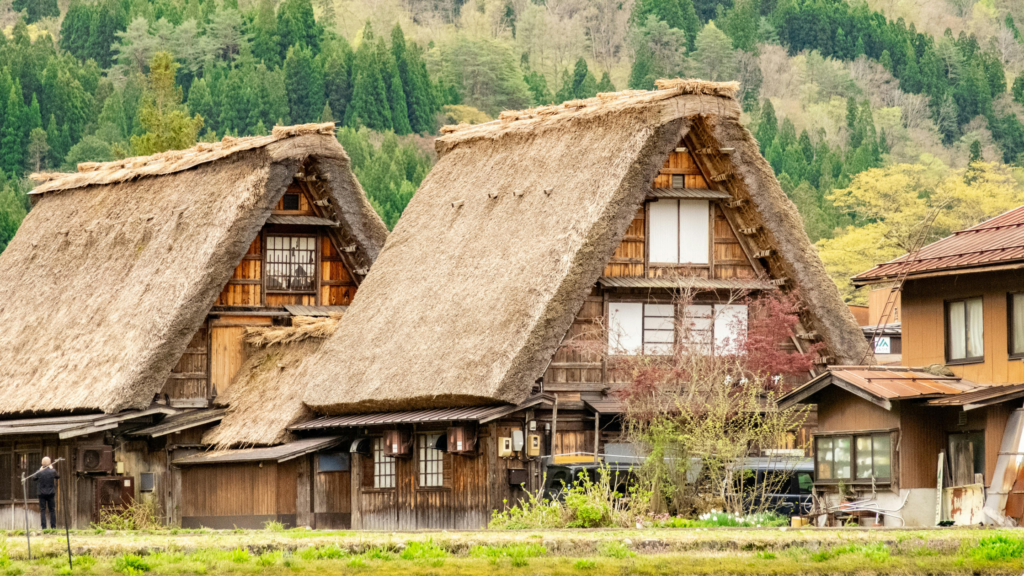
Gassho-zukuri architecture was created to adapt to the environment. It is not only beautiful. It is also highly functional.
Visit Wada House
Wada House is one of the best-known traditional houses in Ogimachi. The historic property offers visitors a closer look at the architecture and lifestyle of local families in the past. Its large scale and traditional design provide an interesting insight into rural life in Shirakawago.
Enjoy the View from Above
The observation area is one of the best places to appreciate Shirakawago from a different perspective. From above, you can see how the traditional houses are arranged throughout the valley.
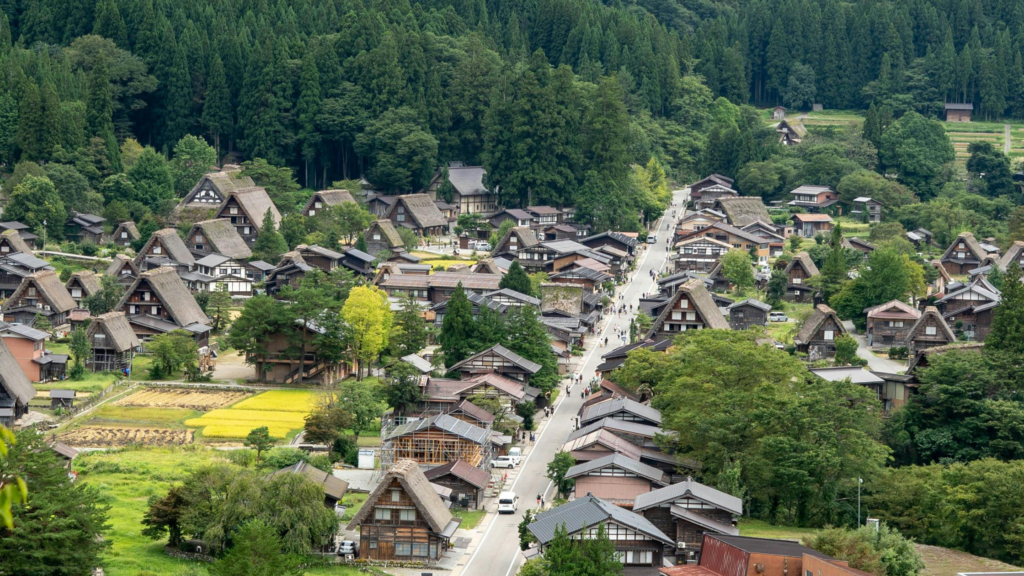
In spring, the landscape is fresh and green. In summer, the mountains become vibrant and lush. In autumn, the valley turns gold and red.In winter, everything disappears beneath a blanket of snow. No matter when you visit, the panoramic view is worth experiencing.
What to Eat in Shirakawago
Exploring Shirakawago is also an opportunity to discover the flavors of Gifu. The region is known for hearty dishes that suit its mountain climate.
One of the specialties worth trying is Hida Beef, a premium beef from the Hida region. You can also find traditional Japanese dishes made with local and seasonal ingredients. Tofu, soba noodles, pickled vegetables, and miso-based dishes are popular choices.
On a cold winter day, a warm bowl of noodles can be especially comforting. Food here is more than just a meal. It is another way to connect with local culture and understand the lifestyle of the region.
Which Season Is Best for Visiting Shirakawago?
There is no single answer. Each season offers a different experience.
- Choose spring for fresh greenery, delicate flowers, and a peaceful atmosphere.
- Choose summer for vibrant landscapes, outdoor activities, and a closer look at rural life.
- Choose autumn for colorful mountains, cool weather, and romantic scenery.
- Choose winter for the iconic snow-covered village that looks like something from a fairy tale.
If you have always dreamed of seeing Shirakawago beneath a blanket of snow, winter is the obvious choice. But don’t overlook the other seasons. The beauty of the village is not defined by winter alone. It is defined by change.
A Village That Changes With Time
Japan is home to countless beautiful destinations. But Shirakawago Gifu feels different. Perhaps it is because the village does not try to impress you. It simply exists.
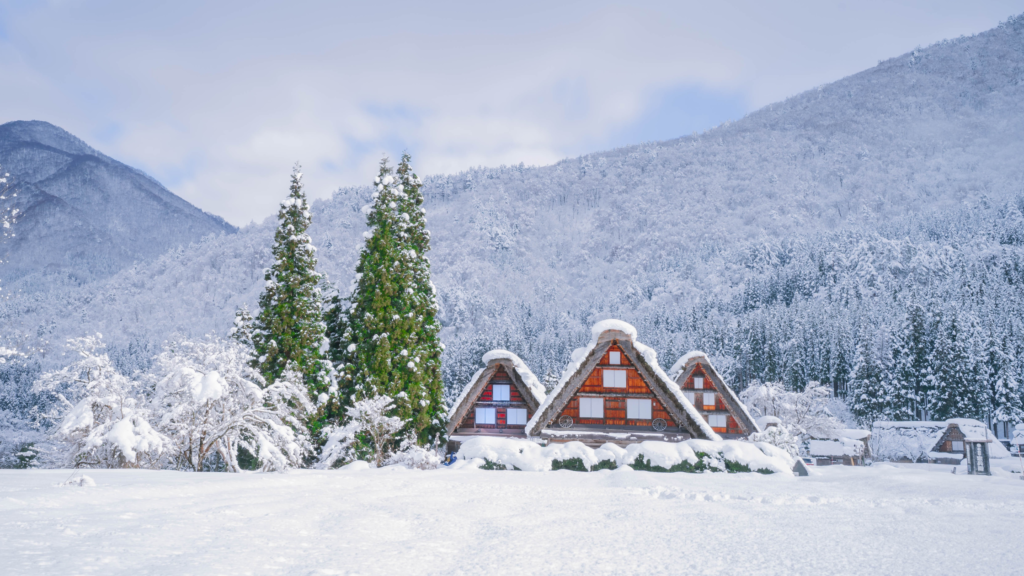
The traditional houses stand quietly beneath the mountains. The fields change color with the seasons. Snow falls in winter. Flowers bloom in spring. And life continues. That is what makes Shirakawago so special.
It is not simply a beautiful destination for photographs. It is a place where traditional architecture, nature, and local life continue to exist side by side. Whether you visit during the fresh colors of spring, the vibrant landscapes of summer, the golden leaves of autumn, or the snow-covered rooftops of winter, Shirakawago always has a different story to tell.
Perhaps that is the real magic of this historic village. It reminds us that some of the most beautiful travel experiences are not about rushing from one attraction to another. Sometimes, they are about walking slowly through an old village. Watching the mountains change. Listening to a stream flow beneath a wooden bridge. And simply being there.

Planning your next journey? Explore curated travel experiences on FindTourGo and discover more unforgettable destinations around the world. From the Japan’s timeless villages to most beautiful cities, find the right tour for your next adventure.