Best Japan Street Food Areas: Tokyo, Osaka & Beyond
8 minutes
9/15/2025
Introduction
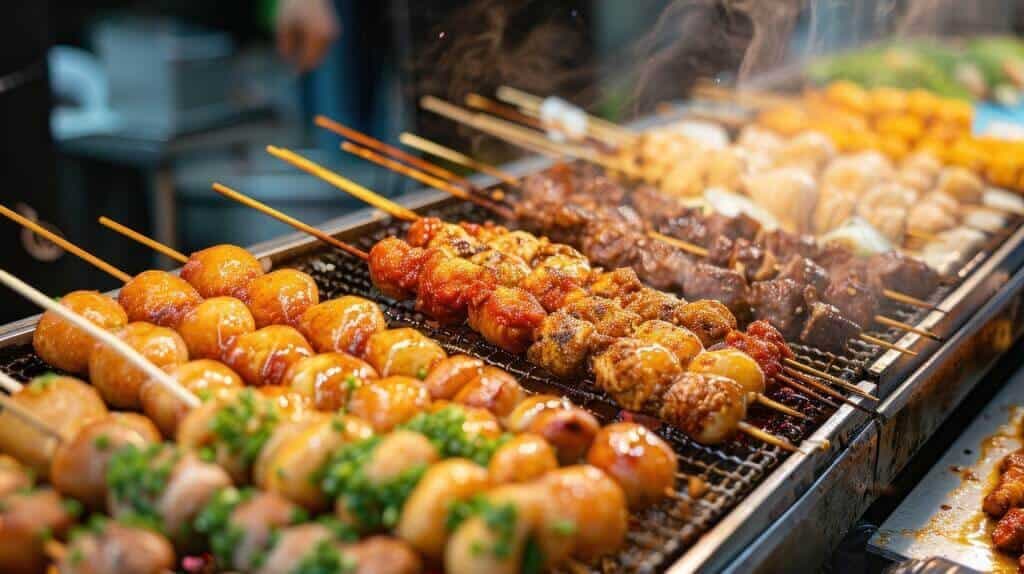
Japan street food is one of the most rewarding ways to experience the country’s culture up close. From steaming takoyaki in Osaka’s neon-lit alleys to fresh seafood at Tokyo’s Tsukiji Outer Market, every bite tells a story rooted in centuries of culinary tradition. For travelers from Singapore and across Southeast Asia, Japan is just a short flight away — and its street food scene is worth the trip alone.
Unlike the sit-down kaiseki meals Japan is often associated with, street food puts you shoulder-to-shoulder with locals, vendors, and fellow food lovers. It’s affordable, fast, and authentically Japanese. Whether you’re planning a first visit or returning for more, knowing which areas to target makes all the difference.
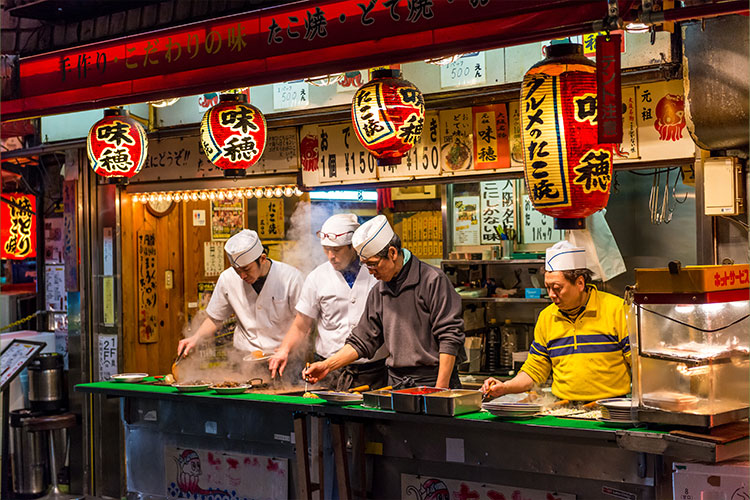
This guide covers the best street food areas in Japan by city — with the top dishes to try, practical tips on budget and etiquette, and insider recommendations to help you eat like a local. If you’re booking a Japan food tour from Singapore, this is the starting point.
Ready to explore? Here’s where Japan’s best street food areas are — and exactly what to eat when you get there.
Osaka: Japan’s Street Food Capital
Osaka deserves its reputation as Japan’s culinary heartland. Locals live by “kuidaore” — a phrase meaning “eat until you drop” — and the city’s street food reflects that spirit completely. Bold flavors, generous portions, and a culture built around food make Osaka the single best city for street food in Japan.
Dotonbori: The Neon-Lit Food Street
Dotonbori is the epicenter of Osaka’s street food scene. The canal-side strip, famous for its illuminated Glico Man sign, is lined wall-to-wall with food stalls and restaurants serving the city’s signature dishes.
Must-try foods in Dotonbori:
- Takoyaki — Osaka’s iconic octopus balls, crispy outside and creamy inside, topped with sauce, mayo, and bonito flakes. Creamier and richer here than anywhere else in Japan.
- Okonomiyaki — A savory cabbage pancake layered with pork, shrimp, or squid. Osaka-style is mixed together, not layered like Hiroshima’s version.
- Kushikatsu — Deep-fried skewers of meat and vegetables, served with communal dipping sauce. The golden rule: no double dipping.
Best time to visit: Evening for the full neon atmosphere. Weekends are busiest but most exciting.
Shinsekai: Old Osaka at Its Most Authentic
Just south of Dotonbori, Shinsekai is a retro neighborhood that’s less touristy and deeply local. This is kushikatsu territory — nearly every shop on the street serves their version of this Osaka classic. The painted bulls’ heads and vintage signage give it an atmosphere unlike anywhere else in Japan.
Tokyo: Street Food Across Five Districts
Tokyo doesn’t have one street food area — it has dozens. The city’s sheer size means different neighborhoods specialize in different foods, and the best approach is to plan a route across multiple districts.
Tsukiji Outer Market: Seafood Heaven
Even though the main tuna auctions moved to Toyosu, Tsukiji Outer Market remains Tokyo’s premier food street destination. Arrive before 9 AM for the freshest picks.
What to eat at Tsukiji:
- Freshly shucked oysters served on the half shell
- Uni (sea urchin) on a spoon, briny and rich
- Tamagoyaki — a sweet rolled egg omelet on a stick, grilled to order
- Sushi sets from the market’s surrounding restaurants
Ameyoko Market, Ueno: Old Tokyo Vibes
Ameyoko is a covered market street running under the JR tracks near Ueno Station. It’s been here since the post-war era and still feels like it. Dozens of vendors sell yakitori, fresh produce, dried snacks, and cheap street bites in a lively, shouting-vendor atmosphere.
Best for: Yakitori (charcoal-grilled chicken skewers), fresh fish, and snacks under ¥500.
Harajuku / Takeshita Street: Sweet and Colorful
Harajuku is better known for fashion, but Takeshita Street has become famous for its over-the-top sweet foods. Matcha soft serve, rainbow cotton candy, and Harajuku’s iconic crepes — stuffed with fresh fruit, cream, and sometimes entire slices of cake — are everywhere. It’s indulgent, photogenic, and genuinely delicious.
Asakusa: Tokyo’s Traditional Heart
Near the famous Senso-ji Temple, the streets around Nakamise Shopping Street are lined with stalls selling traditional Tokyo street food. Look for:
- Senbei — large rice crackers grilled and brushed with soy sauce on the spot
- Ningyoyaki — small cakes filled with sweet bean paste, shaped like traditional figures
- Agemanjū — deep-fried steamed buns filled with red bean paste
Kyoto: Refined Street Food in Ancient Alleyways
Kyoto’s street food scene is more subdued than Osaka or Tokyo, but no less rewarding. The city’s focus on quality ingredients and seasonal cooking shapes even its casual food stalls.
Nishiki Market: Kyoto’s Kitchen
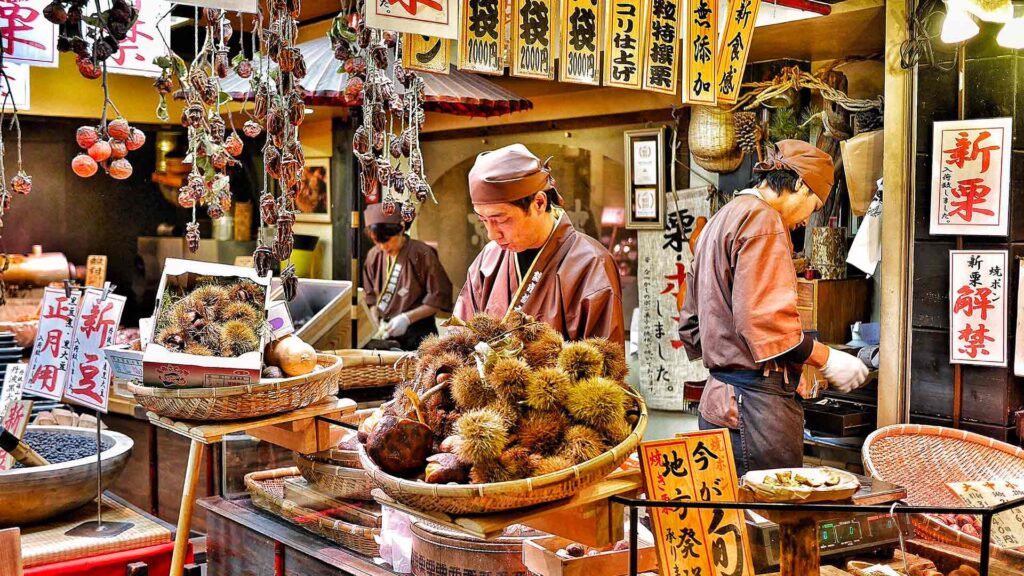
A narrow five-block covered market in central Kyoto, Nishiki Market has over 100 stalls selling fresh produce, pickles, tofu, and traditional sweets. It’s been feeding Kyoto residents for over 400 years.
Must-try at Nishiki:
- Tsukemono — seasonal pickled vegetables, often served as small tasters
- Yuba — tofu skin, sold fresh and dried, with a delicate, silky texture
- Matcha-flavored everything: ice cream, mochi, dango sticks
- Kyoto-style dango — rice dumplings on skewers, sweet and chewy
Tip: Visit mid-morning on a weekday to avoid the worst crowds.
Gion District: Sweets and Seasonal Flavors
Strolling through Gion, Kyoto’s famous geisha district, you’ll find small stalls and tea shops selling yatsuhashi (cinnamon rice-flour sweets — Kyoto’s signature souvenir food), hojicha soft serve, and wagashi (traditional Japanese confections). It’s a gentler food experience, but memorable.
Fukuoka: Yatai Stalls and Hakata Ramen
Fukuoka, on the northern coast of Kyushu, is a food city that most visitors skip — which is exactly why you shouldn’t. It’s home to two things that define Japan’s street food culture: yatai stalls and Hakata ramen.
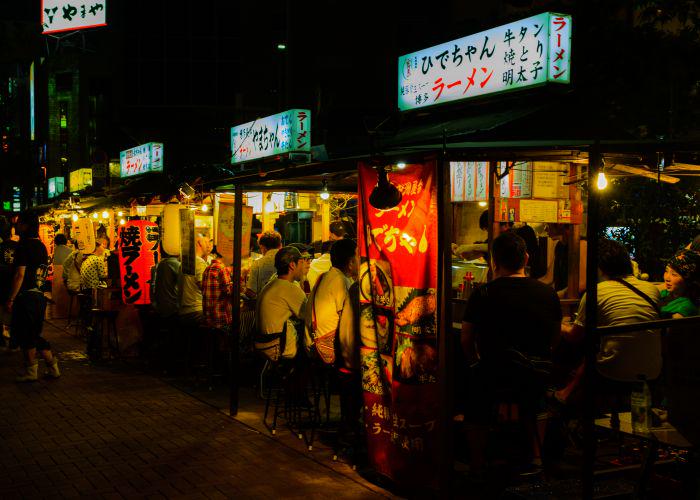
Yatai Stalls Along the Nakasu River
Yatai are small, mobile outdoor food stalls that set up at dusk along Fukuoka’s waterfront. Each seats only 7–10 people, creating an intimate experience where you eat side-by-side with locals and chat with the chef directly.
What to order at a yatai:
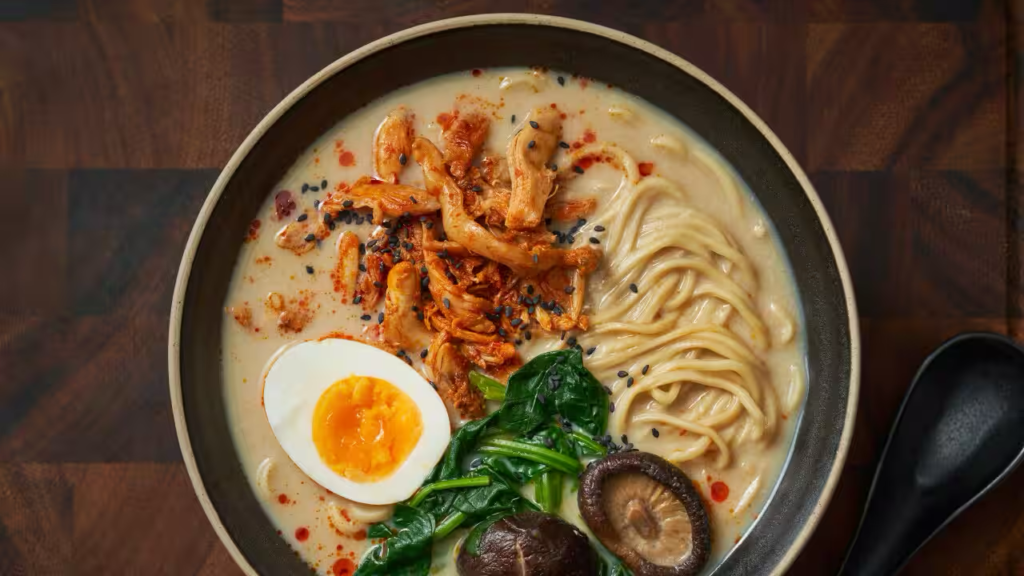
- Hakata ramen — rich, milky tonkotsu broth with thin straight noodles
- Yakitori and oden (hot pot skewers)
- Cold Asahi or Kirin beer, because that’s what you do
Fukuoka’s yatai culture is a UNESCO-recognized cultural tradition. It’s one of the most authentic street food experiences you can have in Japan — and most tourists from Singapore overlook it entirely. Don’t.
Japan Street Food Etiquette: Essential Tips
Before you dive in, a few cultural rules will help you eat respectfully and avoid standing out as a clueless tourist.
| Rule | What to Know |
|---|---|
| Don’t walk and eat | Eating while walking is considered rude. Stand near the stall or find a designated eating area. |
| Carry cash | Most street stalls are cash-only. Keep ¥5,000–¥10,000 on hand for a full day of eating. |
| Queue properly | Lines at popular stalls move fast. Join the queue and wait your turn. |
| Slurping is fine | Especially for ramen — it shows enjoyment and is culturally appropriate. |
| Bins are rare | Most Japanese street areas have very few public bins. Carry a small bag for wrappers. |
Budget guide: Individual items cost ¥300–¥1,000. A full day of street food grazing across multiple stalls typically runs ¥2,000–¥4,000.
Best Time to Visit Japan for Street Food
Street food in Japan is a year-round activity, but seasons affect what’s available and how enjoyable it is to eat outdoors.
- Spring (March–May): Cherry blossom season brings outdoor food festivals and seasonal sakura-flavored everything. Crowds are high but atmosphere is unbeatable.
- Summer (July–August): Festival season (matsuri) means yakitori, shaved ice (kakigori), and waterside yatai at their peak. Hot but vibrant.
- Autumn (September–November): Comfortable temperatures, seasonal harvest foods, and fewer tourists than spring. Best overall for eating outdoors.
- Winter (December–February): Street food doesn’t disappear — hot oden, roasted chestnuts, and steaming ramen become the focus.
For travelers from Singapore, spring and autumn offer the best combination of weather, food variety, and manageable crowds.
How to Book a Japan Street Food Tour
Exploring Japan’s street food areas independently is rewarding, but a guided food tour unlocks things you’d never find on your own — including unmarked vendor favorites, neighborhood back-alleys, and real conversation with local chefs.
FindTourGo connects travelers from Singapore and across Southeast Asia with licensed Japan tour operators who run dedicated street food tours in Tokyo, Osaka, Kyoto, and Fukuoka. Browse curated options, compare prices, and book directly — no middlemen, no hidden fees.
Explore Japan Food Tours on FindTourGo
FAQ
What is the best street food area in Japan?
Osaka’s Dotonbori is widely considered the single best street food area in Japan for variety, quality, and atmosphere. If you only have time for one, go to Dotonbori. For a more local experience, Fukuoka’s yatai stalls along the Nakasu River are unmatched.
What are the most popular Japan street food dishes to try?
The essential Japan street food list: takoyaki (Osaka), okonomiyaki (Osaka and Hiroshima), Hakata ramen (Fukuoka), tamagoyaki on a stick (Tsukiji), yakitori (everywhere), and matcha soft serve (Kyoto and beyond). Each city has its own signature dishes.
Is Japan street food safe to eat?
Yes. Japan has some of the highest food hygiene standards in the world. Street food stalls are regularly inspected and vendors take food safety extremely seriously. Eating from street stalls in Japan is considered very safe for tourists.
How much does street food cost in Japan?
Individual street food items typically cost ¥300–¥1,000 (approximately SGD 3–10). A full day of grazing across multiple stalls costs ¥2,000–¥4,000. Ramen at a yatai stall in Fukuoka is usually ¥800–¥1,200.
Do Japan street food stalls accept credit cards?
Most traditional street food stalls in Japan are cash-only. Some larger market vendors are beginning to accept IC cards (Suica/Pasmo) or PayPay, but carry Japanese yen to be safe. ATMs at 7-Eleven and Japan Post accept international cards.
Japan’s street food areas are a world unto themselves — every city, every neighborhood, every stall tells a different story. From Osaka’s takoyaki to Fukuoka’s yatai ramen, the flavors are unforgettable and the experiences are irreplaceable.
Whether you’re planning a self-guided food crawl or want a local expert to show you the best hidden spots, FindTourGo has Japan food tours designed for travelers from Singapore and across Southeast Asia.
Browse Japan Tours on FindTourGo — compare operators, read real reviews, and book the Japan street food experience you’ve been waiting for.