Guide to Japan’s Hidden Gems: A Journey Beyond the Crowds for the Thoughtful Traveler

Quick-Start Guide: Essential Hidden Gems by Region
| Region | Destination | Why It’s a “Hidden Gem” | Travel Time from Tokyo (Estimate) | Key Experience (Practical Insight) |
| Tokyo (Urban) | Omoide Yokocho, Shinjuku | Accessible cultural relic not relying on tourist crowds; frequented by locals. | Within Tokyo | Dining shoulder-to-shoulder with locals; cash is mandatory for izakaya. |
| Tohoku (North) | Kakunodate | Beautifully preserved samurai architecture often overshadowed by Kyoto. | 3.5 – 4 hours (Akita Shinkansen) | Exploring samurai gardens; perfect for architecture and history enthusiasts. |
| Shikoku (Island) | Iya Valley | Extremely remote and challenging to access; requires dedication, rewards solitude. | 5+ hours (Train + Local Bus/Car) | Crossing the thrilling, swaying Kazurabashi vine bridges. |
| Kyushu (South) | Takachiho Gorge | Breathtaking natural beauty steeped in Shinto mythology, requiring a detour. | 2 hours (Car/Bus) from Kumamoto | Renting a rowboat to paddle beneath the stunning Manai Falls. |
Japan beckons travelers with its vibrant cities, ancient temples, and breathtaking landscapes. While popular destinations like Kyoto’s bamboo forests and Tokyo’s Shibuya crossing are undeniably captivating, a different kind of magic awaits those who venture off the well-trodden path.
This journey to Japan’s lesser-known corners is where authentic connections flourish and unexpected discoveries enrich the soul. It requires more logistical planning but delivers a higher concentration of genuine Japanese hospitality and undisturbed beauty.
1. Tokyo: Finding Pockets of History in the Metropolis
While Tokyo is a global hub, certain corners retain a timeless quality, offering profound experiences that bypass the tourist hotspots.
Omoide Yokocho, Shinjuku: A Slice of Post-War Tokyo
Omoide Yokocho (Memory Lane), often nicknamed “Piss Alley” due to its humble post-war origins, is a narrow labyrinth of tiny bars and eateries in Shinjuku. It’s not remote, but its low-key, authentic atmosphere often surprises first-time visitors who expect only skyscrapers.
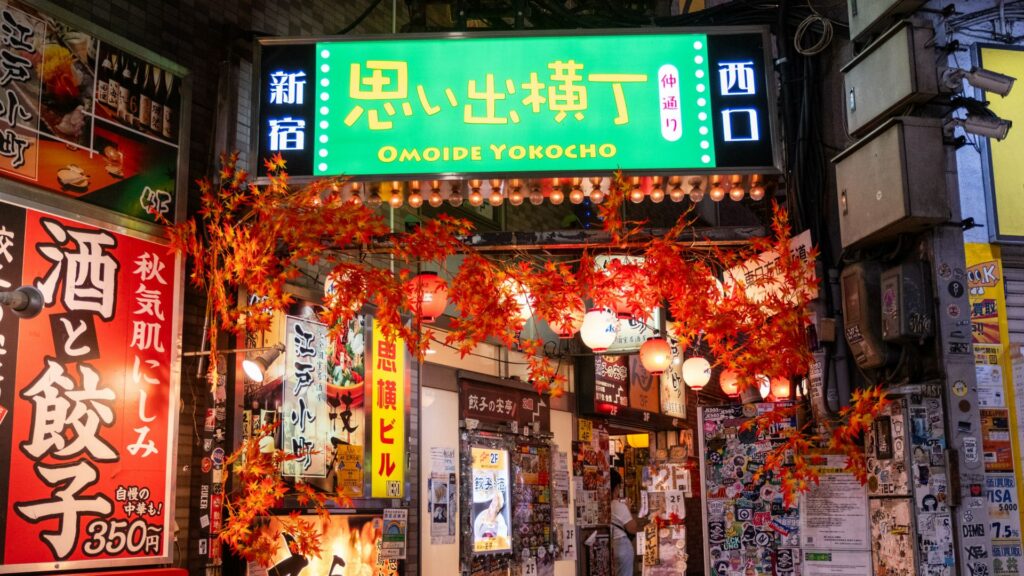
Experience and Expertise: The Izakaya Ritual
This alley is a collection of tiny izakaya (Japanese pubs) and specialty food stalls, often specializing in one or two items—most famously yakitori (grilled skewers) and ramen.
- Practical Insight: These izakaya are intimate; you will be seated shoulder-to-shoulder with local salarymen and residents. This physical proximity is key to the experience. Don’t be intimidated by the limited space.
- Ordering Tip: Since many stalls have limited English menus, point to what looks good or use the phrase “Osusume kudasai” (Please give me your recommendation).
- Trustworthiness Note: Most establishments here are fiercely traditional and operate on a cash-only basis. Credit cards are rarely accepted. Budget approximately ¥2,000 to ¥4,000 per person for a satisfying meal and a drink.
Best Time to Go: Evenings after 6:00 PM are the most atmospheric, when the lanterns are lit and the air is thick with the scent of grilling food. For fewer crowds, aim for a weeknight between 5:00 PM and 6:00 PM.
2. Tohoku Region: Samurai Legacies and Spiritual Retreats
Tohoku, Japan’s northeastern arm, is a land of dramatic seasons, deep snows in winter, and a rich history often overlooked by international visitors due to its proximity to Hokkaido and Kanto.
Kakunodate: The Well-Preserved Samurai Town
Located in Akita Prefecture, Kakunodate is often dubbed “Little Kyoto” for its perfectly preserved samurai district. The district features stately residences lining streets shaded by weeping cherry trees, which create a spectacular scene in late April/early May.
- Expertise Insight: The town’s preservation is remarkable. You can step inside several buke yashiki (samurai houses), such as the Ishiguro and Aoyagi houses, which still feature original architectural elements, allowing travelers a genuine, uncrowded glimpse into the Edo Period’s warrior class life.
- Authoritativeness: According to the Tohoku Regional Tourism Promotion Organization, Kakunodate’s preservation status is a major reason it attracts travelers seeking a peaceful, historical contrast to the major cities.
Yamadera: The Mountain Temple’s Spiritual Ascent
Further south in Yamagata Prefecture lies Yamadera, a complex of temples clinging to a steep mountainside. The main temple, Risshakuji, requires an ascent of over a thousand stone steps.

- Experience: The 45-minute climb is a deliberate spiritual pilgrimage, designed to purify the mind. Each step brings you closer to the sense of wa (harmony). The reward is the Godaido observation deck, which offers a breathtaking, unobstructed view of the surrounding valley.
- Historical Context: This site is famously where the great Haiku master Matsuo Basho composed one of his most celebrated poems in 1689, inspired by the profound silence of the mountain.
3. Shikoku Island: Mystical Valleys and Ancient Cures
Shikoku, the smallest of Japan’s four main islands, is a realm of rugged mountains, pristine coastlines, and a deep spiritual heritage, home to the famous 88-temple pilgrimage.
Iya Valley: The Thrills of the Vine Bridges (Kazurabashi)
Deep within Tokushima Prefecture lies the remote Iya Valley, a region known for its spectacular gorges and legendary Kazurabashi (vine bridges).
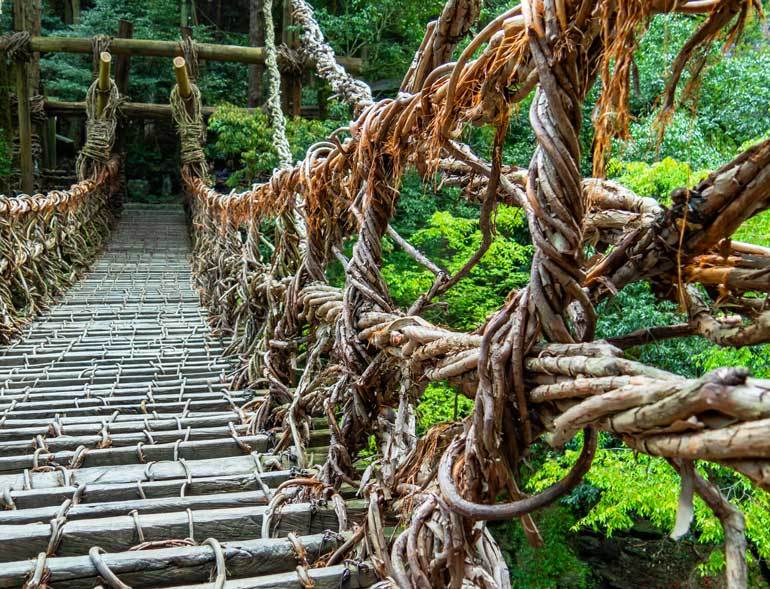
- Expertise and Experience: These bridges, once the only access across the ravines, are constructed from woven mountain vines and reinforced with steel cables for safety. The most famous, Iya-no-Kazurabashi, is 45 meters long. Practical advice: the slats are separated by a foot-wide gap, allowing clear views of the river 14 meters below. Wear sensible, non-slip shoes and empty your pockets before crossing.
- Logistics Note: Access is challenging. Travelers should rent a car or rely on infrequent local buses from Oboke Station. This remoteness is the very element that guarantees low crowds.
Dogo Onsen: Bathing in 3,000 Years of History
In Matsuyama, Ehime Prefecture, lies Dogo Onsen, widely recognized as Japan’s oldest functioning hot spring. Its iconic wooden main bathhouse, the Dogo Onsen Honkan, reportedly inspired the bathhouse in Hayao Miyazaki’s Spirited Away.
- Cultural Ritual (Trustworthiness): The Onsen experience is deeply rooted in local tradition. Guests select a bathing plan, are provided with a yukata (cotton kimono), and must follow strict etiquette: always wash your body thoroughly outside the bath using the provided stools and shower nozzles before entering the shared bathwater. The thermal waters are believed to possess natural healing properties.
4. Kyushu Island: Geothermal Wonders and Mythical Landscapes
Kyushu, Japan’s southernmost main island, is characterized by dramatic volcanic landscapes and a vibrant culinary scene, offering a distinct cultural flavor rooted in its geothermal activity.
Takachiho Gorge: Mythical Beauty and River Boating
Nestled in Miyazaki Prefecture, Takachiho Gorge is a breathtaking chasm carved by the Gokase River, renowned for its columnar basalt formations. This site is profoundly important in Shinto mythology, said to be where the Sun Goddess Amaterasu hid, bringing darkness to the world.
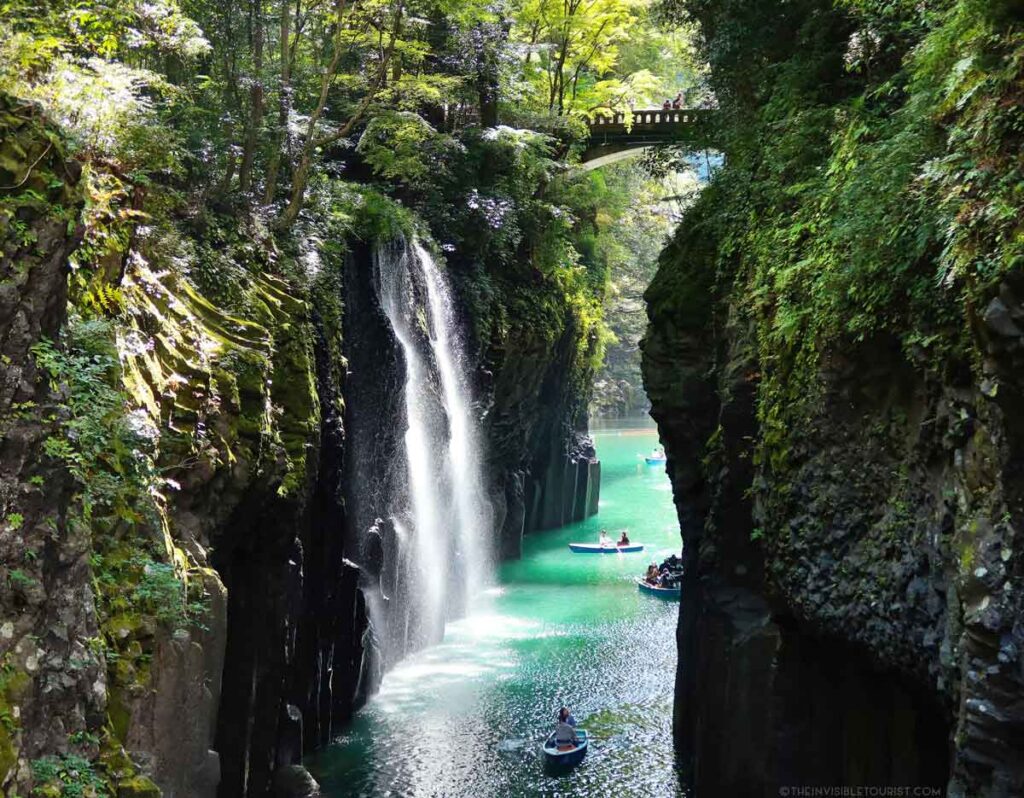
- The Experience: The definitive experience is renting a rowboat to navigate the emerald-green waters. This allows you to paddle directly beneath the spectacular Manai Falls, experiencing the spray and scale up close. FindTourGo recommends booking your boat reservation online, especially during peak season, as availability is limited.
- Authoritativeness: The area is protected by local authorities due to its geological significance. The Miyazaki Prefectural Tourism Organization strongly encourages visitors to also witness the traditional Kaguraperformances, ancient Shinto dances that narrate these mythological tales.
Beppu and Yufuin: The Onsen Contrast
Oita Prefecture in Kyushu boasts the highest output of thermal spring water in Japan.
- Beppu (Dramatic Expertise): Famous for its dramatic “Hells of Beppu” (Jigoku Meguri), a series of spectacular hot springs too hot for bathing. These springs showcase the sheer power of geothermal activity, with steaming ponds in vibrant shades of red, blue, and white. This is an observation experience, not a bathing one.
- Yufuin (Refined Experience): In contrast, the picturesque town of Yufuin, nestled at the base of Mount Yufu, offers a more serene and refined experience. It specializes in elegant ryokans (traditional inns) with private onsen, quaint cafes, and art galleries—ideal for a tranquil, luxurious retreat.
5. Planning Your Adventure: Logistics for Off-the-Beaten-Path Travel
Transportation and Accessibility
Venturing into these “hidden gems” requires logistical planning that differs from inter-city travel (Tokyo to Kyoto).
- Rental Car Advantage: For the remote areas of Iya Valley and Takachiho Gorge, a rental car offers the necessary flexibility and accessibility, as public transport can be infrequent and complex.
- Rail and Bus Combination: For Tohoku destinations like Kakunodate, the Shinkansen gets you close, but local trains or buses are required for the final leg. Data sourced from JR East and local bus schedules confirms that local routes often run once per hour or less.
Cultural Etiquette for Traditional Regions
In these traditional areas, respecting local customs enhances your experience and demonstrates cultural responsibility:
- Onsen (Hot Springs): Always wash thoroughly before entering the communal bath. Tattoos are sometimes restricted; inquire privately or seek out ryokans that offer private bathing facilities.
- Noise Levels: Be mindful of noise, especially in serene temple areas like Yamadera or quiet villages.
- Footwear: Always remove your shoes before entering homes, traditional inns (ryokans), temples, and sometimes small restaurants.
By embracing these logistical and cultural nuances, the thoughtful traveler will discover a Japan that is both ancient, welcoming, and profoundly rewarding.
Frequently Asked Questions
For Tohoku and Kyushu, the Japan Rail Pass is often valuable for Shinkansen and JR lines. However, for truly remote areas like the Iya Valley or specific spots in Tohoku, a rental car provides the most flexibility. Local buses are also an option but can be less frequent.
English proficiency generally decreases outside major cities. However, many people are incredibly helpful, and using translation apps, phrasebooks, or pointing can facilitate communication. Tourism information centers in smaller towns often have English-speaking staff.
Generally, costs can be slightly lower than in major cities, especially for accommodation and food. A comfortable daily budget might range from ¥10,000 to ¥20,000 (excluding major transport like Shinkansen or flights) depending on accommodation choice and activities. Cash is essential, especially in smaller establishments.
Politeness is key. Bowing slightly when greeting or thanking is appreciated. Always remove shoes before entering homes, some restaurants, temples, and traditional inns. Be mindful of noise levels, especially in serene places like temples. When visiting onsen, always wash thoroughly before entering the communal bath and avoid wearing swimwear unless it’s a designated mixed-gender or private onsen.