Guide to Japan Food Tour: Best Areas, Must-Try Dishes, and Local Etiquette
5 minutes
9/15/2025
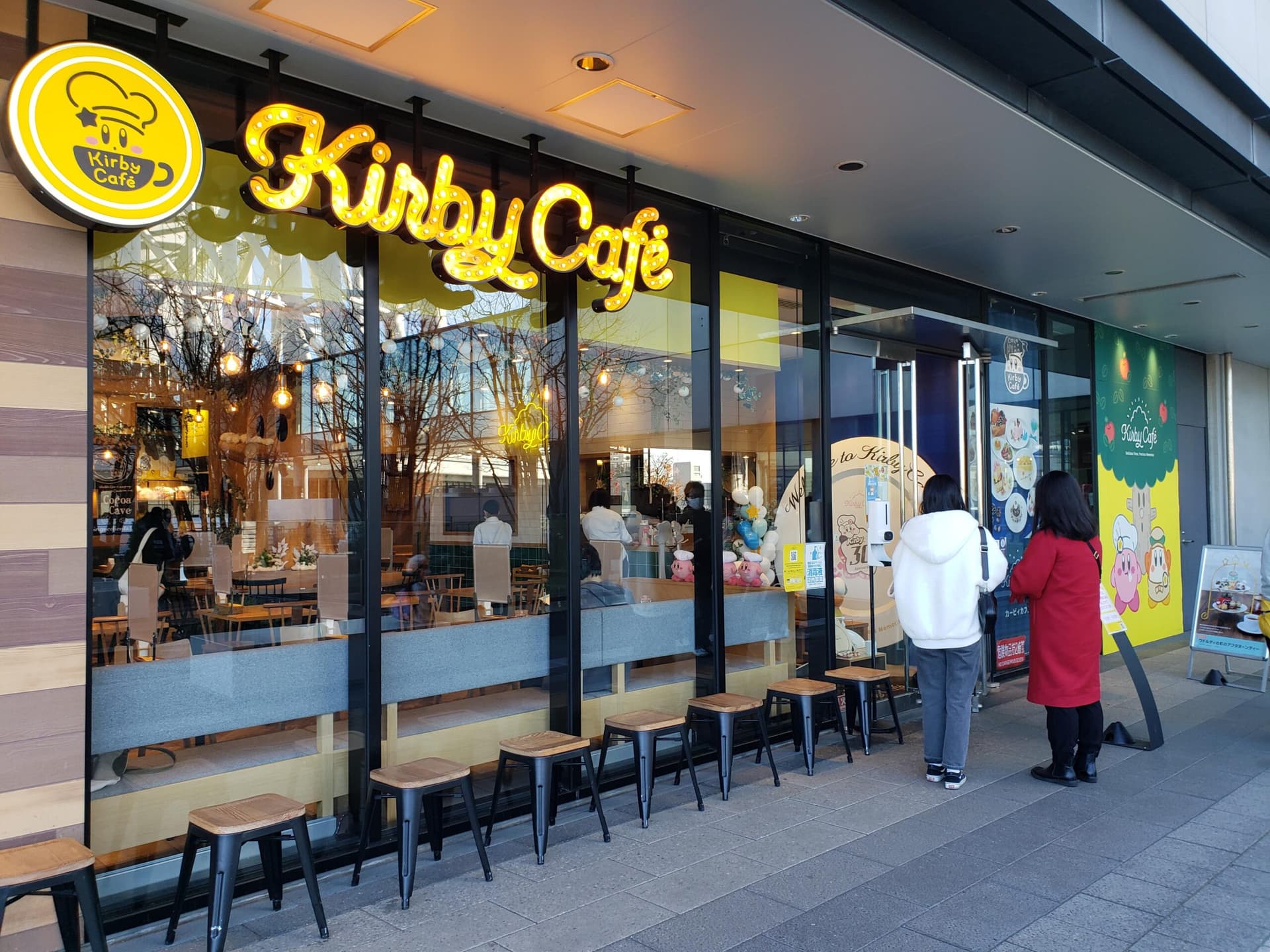
A culinary adventure in Japan is a three-dimensional journey encompassing guided tasting, hands-on creation, and unique themed dining. This Japan Food Tour guide details how to navigate all three for a truly immersive experience.
Unique Culinary Experiences Quick Guide
| Experience Type | City Focus | Cultural Significance (Expertise) | Booking Authority (Trustworthiness) |
| Izakaya Food Tour | Shinjuku/Kyoto | Teaches post-work social rituals and sake pairing. | Best booked in small groups (max 8) for intimate atmosphere. |
| Sushi Masterclass | Tokyo/Osaka | Focuses on Shari (rice) preparation and proper fish Netaslicing. | Choose classes led by a certified, local sushi chef. |
| Themed Cafes | Akihabara/Nihonbashi | Blends Kawaii culture with dining (Maid Cafes, Anime/Game themes). | Advance reservations are often mandatory for popular venues (e.g., Character Cafes). |
| Nishiki Market Tour | Kyoto | Explores Kaiseki ingredients like yuba (tofu skin) and unique Tsukemono (pickles). | Best visited with a guide to sample ingredients safely. |
Guided Culinary Journeys
Guided Japan Food Tour is a vital tool for accessing local, un-translated culinary spots.
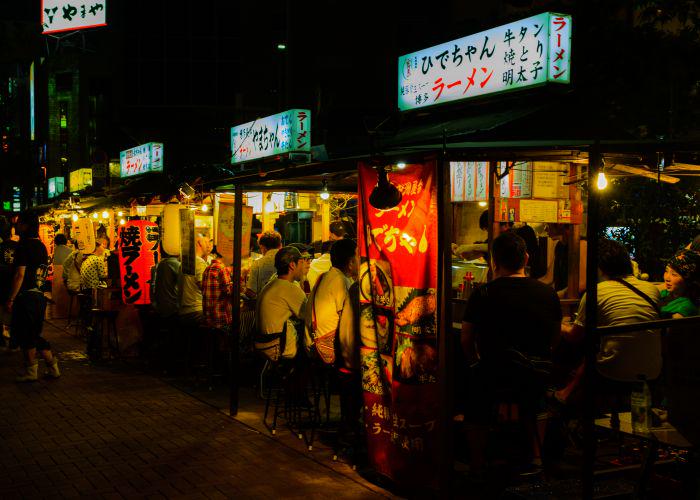
- Tokyo: Tours balance traditional seafood at the Toyosu Outer Market with the vibrant Izakaya culture of Shinjuku or Shibuya, where guides explain sharing and drinking etiquette (Kanpai).
- Kyoto: Tours focus on the refined elegance of Nishiki Market and traditional Gion, where the emphasis is on delicate flavors and the connection between food and seasonality.
- Osaka: Known as “Japan’s Kitchen,” tours here are an energetic focus on street food essentials like Takoyaki and Okonomiyaki in Dotonbori.
Hands-On Culinary Masterclasses
Cooking classes provide practical skills and deep cultural appreciation.
Mastering Iconic Dishes
Classes specializing in sushi, ramen, or tempura all emphasize the quality of ingredients and precision techniques. For example, a proper ramen class focuses heavily on the complexity of creating a rich, savory Dashi (broth base).

Artistic Skills
Wagashi (traditional sweets) classes are an art form, teaching participants to sculpt colorful sweet bean paste into intricate, seasonal shapes, connecting the food to Japanese aesthetics.
Logistics
Classes in major cities like Tokyo and Kyoto are widely available in English. Booking weeks in advance is highly recommended, especially during peak travel times.
Beyond Tradition: Unique Themed Dining
Tokyo is a global leader in immersive, themed dining experiences, demonstrating the city’s innovative and playful side.
Themed Cafes in Tokyo
These establishments transform dining into a full sensory experience:
- Animal Cafes: Offer interaction with friendly animals (cats, owls, etc.) in a controlled, calming environment.
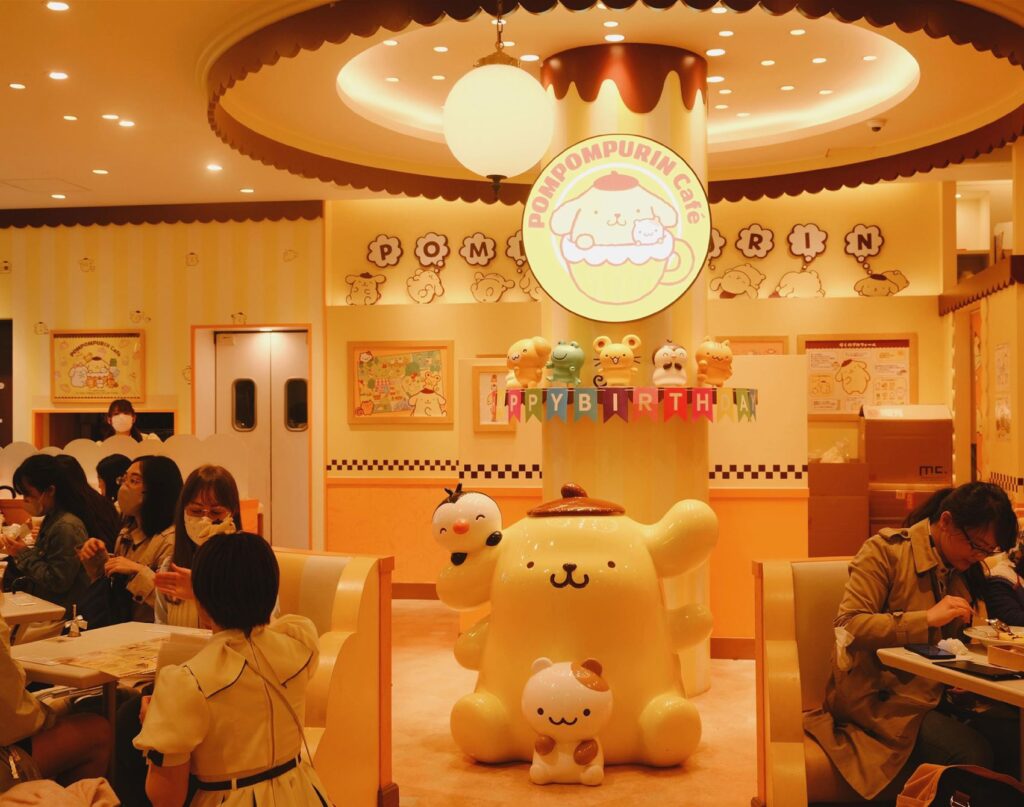
- Character Cafes: Pop-up or permanent spots dedicated to popular anime, manga, or video game characters (e.g., Pokémon Cafe).
- Maid Cafes: A unique subculture experience, primarily in Akihabara, featuring costumed waitresses and playful interactions.
Navigating Unique Eateries
The primary draw is the immersive theme, not necessarily gourmet cuisine.
Crucial Tip: For highly popular venues like character cafes, advance, timed reservations are often mandatory and sell out immediately upon release. Check the official website reservation policy before your trip.
Practicalities and Cultural Etiquette
Tipping: Do not tip. It is not customary.
Slurping: Slurping noodles is encouraged as a sign of enjoyment.
Cash: Carry sufficient cash (JPY) for market stalls and smaller, local eateries, which often do not accept credit cards.
Dietary Needs: Always inform tour or class operators of dietary restrictions at the time of booking to ensure accommodations can be made, as dashi (fish stock) is a fundamental ingredient in many Japanese dishes.
Frequently Asked Questions
Travelers can find food tours through online platforms like Viator, GetYourGuide, Findtourgo or directly through local tour operators. Checking hotel concierge services or tourism information centers can also provide recommendations.
Yes, most cooking classes are designed for all skill levels, including absolute beginners. Instructors are patient and provide step-by-step guidance. They often offer modifications for dietary restrictions too.
No, many food tours and cooking classes in major cities like Tokyo, Kyoto, and Osaka are conducted in English. Guides and instructors are typically fluent, making communication easy for international travelers.
A casual meal in a typical Tokyo cafe restaurant might cost between ¥1,000 and ¥2,500 per person. This often includes a main dish and a drink. Prices can vary based on location and type of establishment.
Exploring Japan through its food is an incredibly rewarding experience. From the bustling energy of a tokyo cafe restaurant to the quiet discipline of a cooking class, every bite tells a story. Food tours and hands-on workshops offer deep cultural immersion and lasting memories. They provide a unique way to connect with the heart and soul of this fascinating country. So, pack your bags and prepare your palate for an unforgettable culinary adventure.