Planning an Unforgettable Group Trip to Japan: A Comprehensive Guide
7 minutes
9/15/2025

Quick-Start Checklist: Group Trip Logistics
| Challenge | FindTourGo Expert Solution | Key Benefit |
| Pacing | Institute a “Rule of Two” (Limit major activities to 2 per day) and schedule dedicated Free Exploration Time. | Prevents burnout and conflict among members with different interests. |
| Accommodation | Prioritize modern, connected hotels (e.g., in Kinshicho, Tokyo) or whole-house rentals (in Kyoto) that can accommodate 4+ guests per unit. | Maximizes efficiency, reduces check-in/out complexity, and offers better value. |
| Inter-City Travel | Use the Takuhaibin luggage delivery service for group transfers between cities. | Eliminates the stress of maneuvering large suitcases onto crowded trains, especially the Shinkansen. |
| Dining | Always book restaurants for groups of five or more 4-6 weeks in advance using local hotel concierge services. | Secures seating in popular, often small izakaya and specialty restaurants. |
| Cost Control | Calculate if a Japan Rail Pass is truly beneficial. Often, a combination of regional passes and individual tickets is cheaper for shorter trips. | Ensures the group maximizes budget efficiency based on the final itinerary. |
Embarking on a family or large group adventure to Japan offers a kaleidoscope of shared experiences, from serene ancient traditions to exhilarating futuristic cityscapes. This incredible destination is a gold standard for safety and efficiency, making it ideal for groups. However, maximizing comfort and minimizing stress for multiple people requires dedicated foresight. By strategically planning logistics—from smart accommodation choices to transport strategy—travelers can seamlessly navigate Japan’s unique charm and transform a complex itinerary into a profoundly memorable shared journey.
1. Crafting Your Group’s Strategic Itinerary
Designing an itinerary for a large party requires balancing diverse interests while ensuring sustainable pacing. The key to a successful group trip in Japan is flexibility and structure.
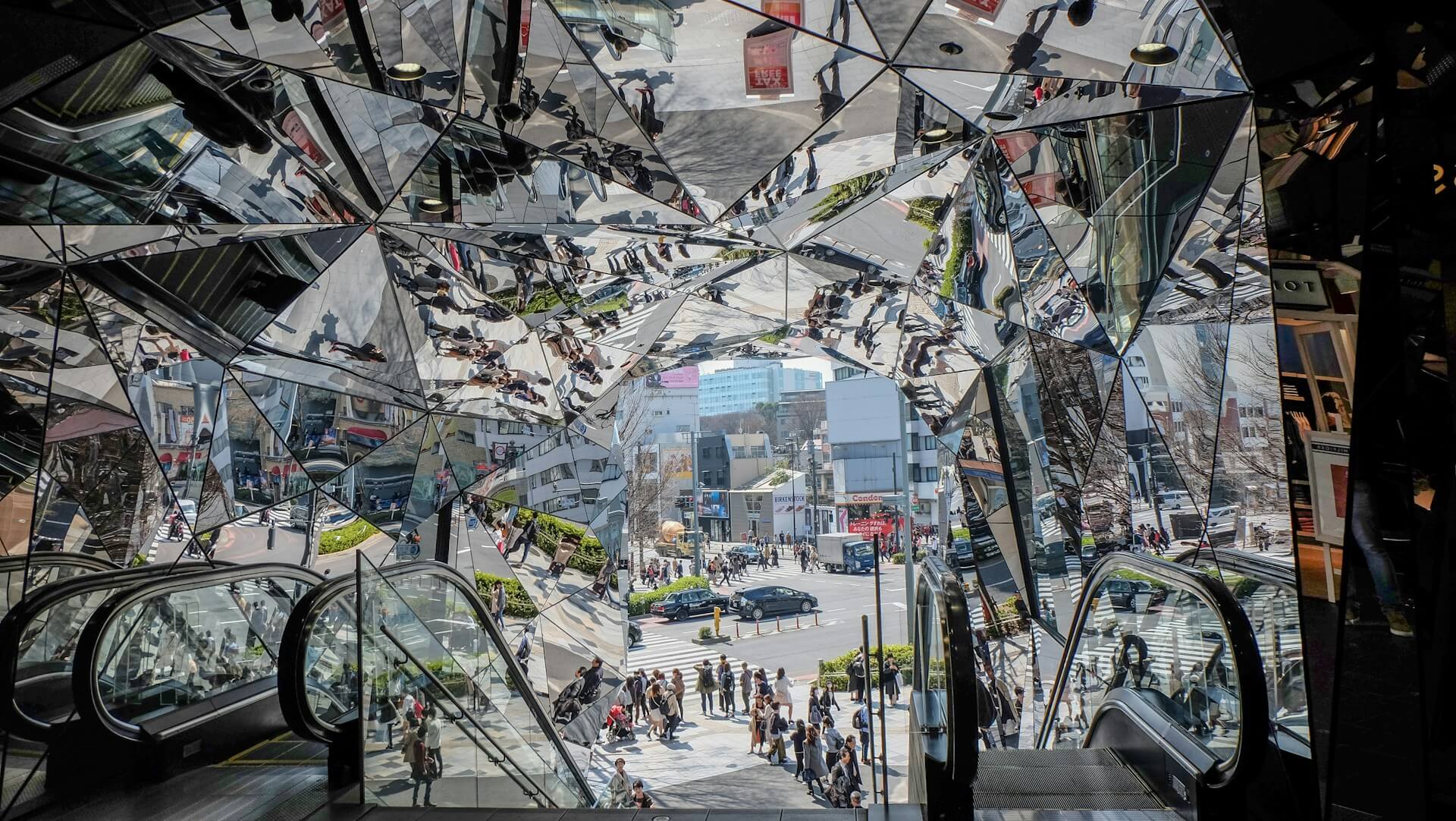
Balancing Interests: The “Split and Meet” Approach
Groups rarely share identical interests. To prevent friction, incorporate the “Split and Meet” approach into your schedule:
- Morning Focus: Dedicate mornings to activities appealing to the whole group (e.g., major landmarks like Senso-ji Temple or Fushimi Inari Shrine).
- Afternoon Flexibility (Experience): Schedule 2-3 hours of Optional Free Exploration. For instance, while the history buffs head to the Ueno National Museum, the enthusiasts can explore the niche electronics stores of Akihabara.
- Evening Reunion: Shared meals should serve as the central gathering point, allowing everyone to reconnect and share their individual day’s adventures.
Pacing and Travel Days (Expertise)
Japan’s pace demands attention. Avoid daily hotel changes. A recommended itinerary structure for a 10-day trip is:
- Day 1-4: Base in Tokyo (Modernity, History, Niche Interests).
- Day 5 (Travel Day): Morning travel to Kyoto or Osaka. Light activity/rest upon arrival.
- Day 6-9: Base in Kyoto (Culture, Temples, Day Trips like Nara or Osaka).
- Day 10: Departure.
Expert Tip on Luggage: Moving a large group with multiple suitcases is cumbersome on trains. Utilize the reliable Takuhaibin luggage delivery service. For a modest fee (approx. ¥1,500-¥2,500 per bag), your main luggage can be sent from your Tokyo hotel directly to your Kyoto hotel, allowing the group to travel lightly and comfortably on the Shinkansen.
2. Strategic Accommodation Choices for Groups
Selecting the right base is paramount. Traditional Japanese ryokans and many standard business hotels have small rooms not suited for large groups.
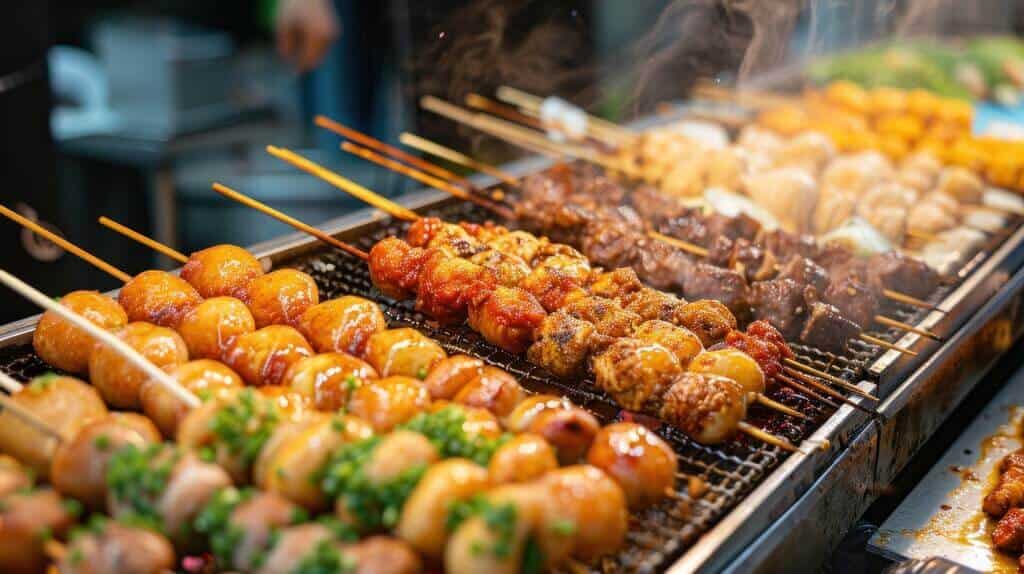
Maximizing Space in Tokyo: The Modern Hotel Solution
For large cities like Tokyo, groups should seek out modern hotels that offer strategic room configurations and connectivity.
- Case Study: Strategically Located Hotels in Kinshicho: Neighborhoods like Kinshicho in Sumida Ward offer exceptional value and superior transport links compared to tourist hubs like Shinjuku or Shibuya. Properties that feature cleverly designed rooms with multiple beds or guaranteed connecting rooms (like Moxy Tokyo Kinshicho) cater well to families and friends traveling together. Kinshicho also provides a more authentic, local dining scene away from the central tourist price hikes.
Embracing the Collective: Whole-House Rentals
In Kyoto, or for groups prioritizing deeper immersion, consider booking a licensed whole-house rental (Machiya) or a dedicated Group Airbnb.
- Experience: Renting a Machiya provides a shared living space, often featuring traditional tatami rooms and communal kitchens. This allows for budget-saving group breakfasts and evening planning sessions, significantly enhancing the feeling of traveling together.
Booking Timeline (Trustworthiness)
Due to Japan’s high demand during peak seasons (Cherry Blossom: March-April; Autumn Foliage: Oct-Nov), group accommodation requires significant lead time:
- Booking Recommendation: Secure your hotels or group rentals 8 to 12 months in advance for guaranteed availability and the best group rates. Always confirm the hotel’s maximum occupancy per room and ask for a detailed floor plan.
3. Navigating Japan: Budgeting and Logistics Mastery
Seamless group travel hinges on mastering Japan’s efficient systems and respecting its culture.
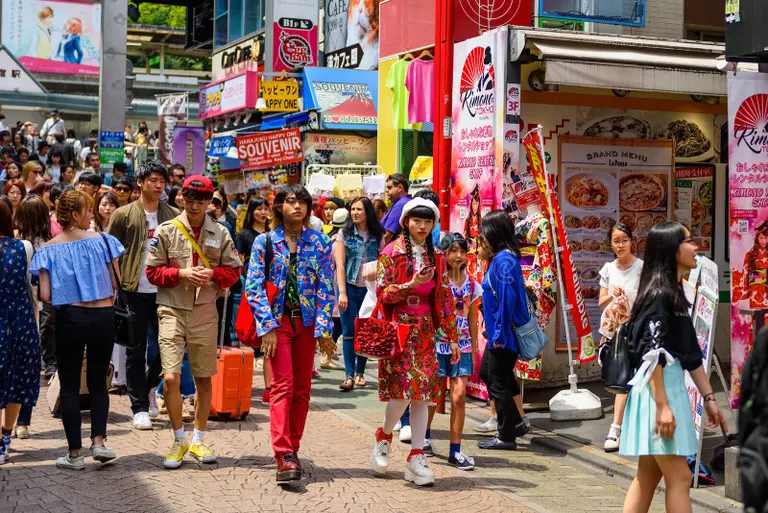
Transportation: The JR Pass Reality (Expertise)
The Japan Rail Pass is often the first item groups consider, but it may no longer be the most cost-effective solution, especially after recent price increases.
- Calculated Approach: The Pass only makes financial sense if your itinerary involves extensive inter-city travel (e.g., Tokyo → Kyoto → Hiroshima → Osaka). For a standard Tokyo-Kyoto-Osaka trip, individual Shinkansen tickets or specialized regional passes (like the JR Kansai Area Pass or various Tokyo Wide passes) are often cheaper.
- Actionable Advice: Before purchasing passes, calculate the total cost of all planned long-distance trips. If the total is less than the price of the JR Pass, opt for individual or regional passes.
Budgeting for Groups (Trustworthiness)
Japan can be expensive, but groups can manage costs through smart dining choices.
| Budget Category | Mid-Range Daily Estimate (Per Person) | Group Cost-Saving Strategy (Experience) |
| Accommodation | ¥8,000 – ¥12,000 (~$55-$80) | Book rooms with triple or quad configurations for lower per-person rates. |
| Food & Drink | ¥5,000 – ¥8,000 (~$35-$55) | Utilize Konbini (convenience stores) for affordable, high-quality breakfasts/lunches, and dine at Teishoku (set lunch) restaurants. |
| Local Transport | ¥1,000 – ¥2,000 (~$7-$14) | Purchase a reusable IC Card (Suica/Pasmo) for fast, cashless travel across all local subways and trains. |
Note on Data Sources: These budgeting figures are derived from aggregated data provided by FindTourGo’s network of verified travel operators and reflect mid-2025 exchange rates and regional travel costs.
4. Mastering Group Etiquette and Safety
Japan’s commitment to safety and order benefits groups, but it also requires a higher level of cultural sensitivity.
Essential Group Etiquette (Experience)
A group’s behavior has a magnified impact on the environment:
- Public Transit: Maintain low voices and avoid loud conversations on trains and subways. Public transport is a place of quiet reflection.
- Small Spaces: When dining in small izakaya or local ramen shops, be highly aware of your footprint. Groups of five or more should not attempt to enter without a reservation or without asking the staff first.
- Noise and Footwear: Always remove your shoes immediately upon entering any temple, shrine, ryokan, or traditional guesthouse. When staying in ryokans with tatami mats, keep noise to a minimum, especially in the evenings.
Communication and Safety
- Punctuality: Punctuality is deeply respected. Always arrive on time for tours, train departures, and restaurant reservations. Being late reflects poorly on the entire group.
- Safety: Japan is one of the safest countries globally (referenced data from the Japan National Tourism Organization (JNTO) confirms exceptionally low crime rates). Maintain a communication plan (e.g., a group chat app) and establish a meeting point in crowded areas like Shibuya crossing.
Frequently Asked Questions About Group Travel to Japan
No. While convenient, the JR Pass is only cost-effective for itineraries involving extensive travel over 7, 14, or 21 days (e.g., covering four or more major cities). For shorter, concentrated trips (e.g., Tokyo-Kyoto-Osaka), a combination of individual Shinkansen tickets and regional passes often results in significant cost savings for the group. Always do the math first.
For a group of five or more, popular restaurants, especially those specializing in sushi, kaiseki, or wagyu, should be booked 4 to 6 weeks in advance. Utilizing your hotel concierge for these reservations is often the most reliable method, as many smaller establishments do not have English online booking systems.
For local city travel, stick to the subway and train system, using IC cards for quick entry. For groups with younger children, plan for “non-rush hour” travel (avoiding 7:30 AM-9:30 AM and 5:00 PM-7:00 PM) to minimize congestion and stress. Utilize the takuhaibin service to keep luggage out of your way during city transfers.
The best options are:
1) Modern, business-style hotels offering dedicated connecting rooms or family suites
2) Licensed whole-house rentals (Machiya in Kyoto)
3) Serviced apartments in major city centers, which offer kitchen facilities and laundry, reducing dining and amenity costs.