European Travel Guide: Where Should You Go on Your First Trip?
7 minutes
7/10/2026

So you’re finally planning that first trip to Europe. Congratulations — this is the beginning of a very long, very expensive, very worthwhile obsession. But now let’s have a look on ultimate European Travel Guide with Findtourgo.
Europe has 44 countries. You have maybe two weeks. And suddenly you’re staring at a map wondering how anyone ever narrows this down.
We get this question all the time: “Which countries should I visit first?” There’s no single right answer, but there is a smart way to think about it. If you’re a first-timer, Western Europe is your best entry point. The countries are close together, the trains are fast and reliable, and the culture shock is gentle enough that you can actually enjoy yourself instead of just surviving.
This European travel guide breaks down five countries that work beautifully together for a first trip: France, Belgium, the Netherlands, Germany, and Switzerland. Here’s why each one deserves a spot on your list.
France: The Classic Starting Point
France is where most people’s European dreams begin, and honestly, that’s for good reason. Paris alone could fill a week of your itinerary. The Eiffel Tower, the Louvre, wandering along the Seine at golden hour — it’s all exactly as magical as you imagine.
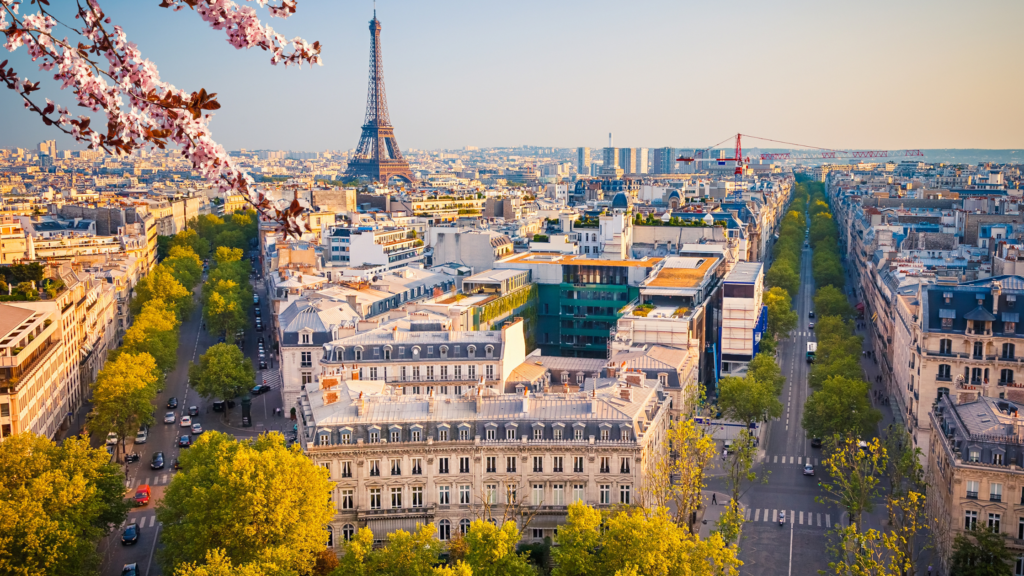
But don’t let Paris eat your entire trip. France has so much more to offer. The lavender fields of Provence. The beaches of the French Riviera. The fairy-tale villages of Alsace, where half-timbered houses look like they belong in a storybook.
For first-timers, I’d suggest three to four days in Paris, then a short trip out to somewhere quieter. Versailles is easy as a day trip. Giverny, Monet’s garden, is another lovely option if you’re into art and nature.
One tip: French people appreciate a little effort. A simple “bonjour” before asking a question in English goes a long way. It changes the entire interaction.
Belgium: Small Country, Big Charm
Belgium doesn’t get nearly enough credit, and that’s honestly a shame. This tiny country packs in medieval cities, world-class chocolate, and beer culture that UNESCO has literally recognized as intangible cultural heritage.
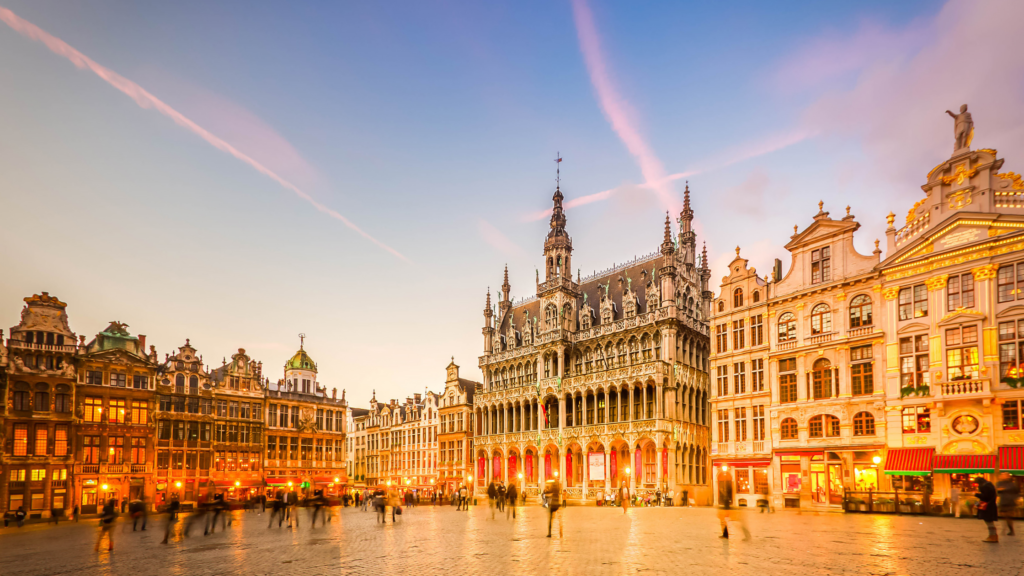
Brussels is the obvious starting point, with its stunning Grand Place lit up at night. But Bruges is the real showstopper. Walking through Bruges feels like stepping into a fairy tale, with canals winding between cobblestone streets and centuries-old buildings.
Ghent is another underrated gem, often overshadowed by its more famous neighbor. It has the charm of Bruges with fewer crowds and a livelier student-town energy.
Belgium works perfectly as a two or three day add-on to a France or Netherlands trip. It’s small enough that you won’t feel rushed, and the train connections to neighboring countries are excellent.
Oh, and eat the fries. Real Belgian fries, twice-fried and served with mayo, will ruin all other fries for you forever.
The Netherlands: More Than Just Amsterdam
Everyone knows Amsterdam, with its canals, bikes, and museums like the Van Gogh Museum and the Rijksmuseum. It absolutely deserves its reputation. Spending a few days cycling around the city, hopping between canal-side cafes, is one of the simplest pleasures in European travel.
But the Netherlands has a lot happening beyond the capital. If you visit in spring, the tulip fields at Keukenhof are unmissable. Rotterdam offers a completely different vibe with bold modern architecture that contrasts sharply with Amsterdam’s historic charm. Utrecht is quieter, greener, and arguably just as pretty as Amsterdam without the crowds.
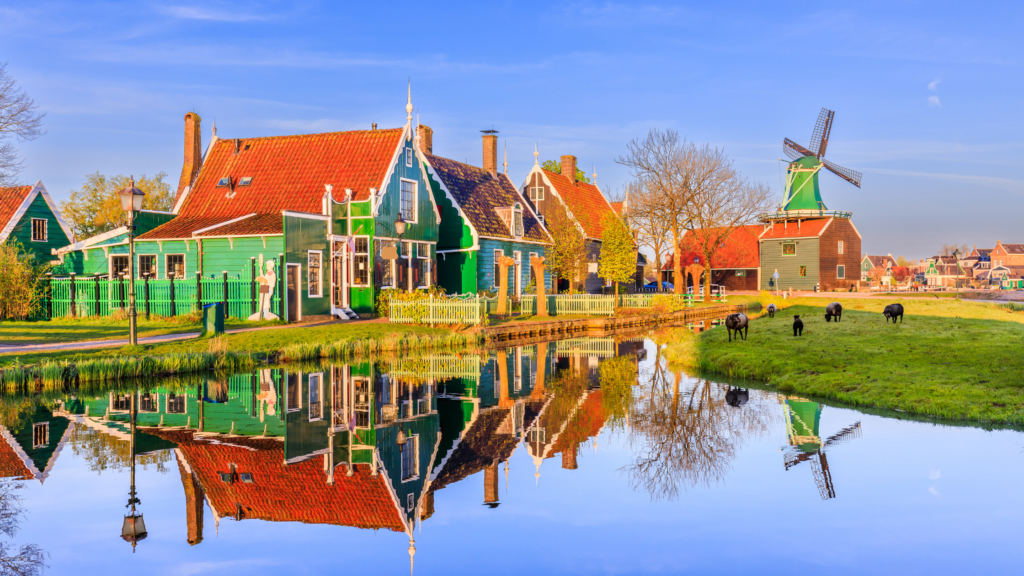
The Dutch rail system makes day trips incredibly easy. You could base yourself in Amsterdam and still see three or four other towns without ever changing hotels.
A practical note: renting a bike, even just for a day, is one of the best ways to experience Dutch cities. Everything is built around cyclists here, and it genuinely changes how you see the place.
Germany: History, Beer Gardens, and Fairy-Tale Castles
Germany often surprises first-time visitors. People expect efficiency and structure, and sure, the trains generally run on time. But Germany also has an unexpectedly warm, festive side that catches people off guard.
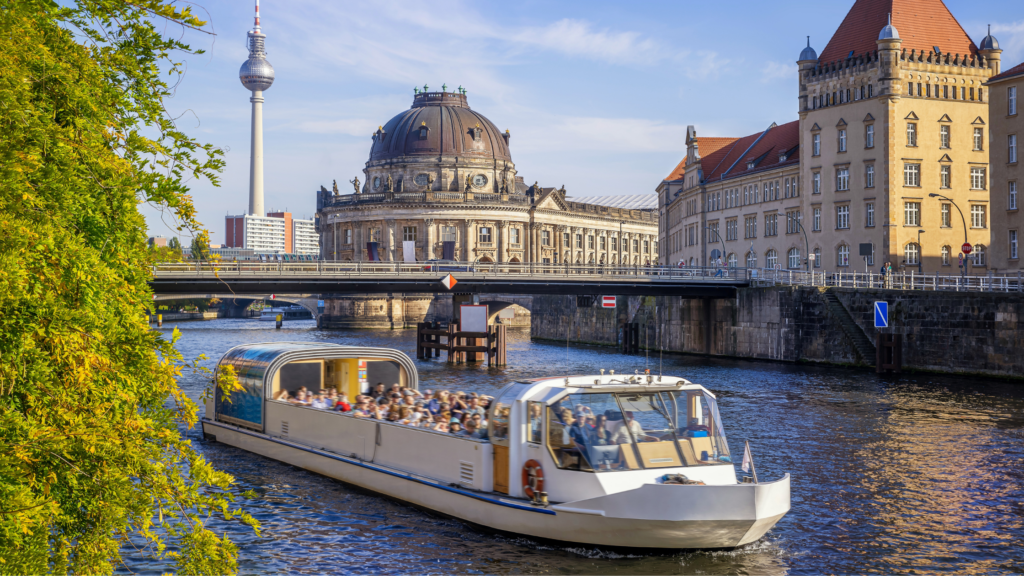
Berlin is essential for understanding modern European history. The remnants of the Berlin Wall, the museums, the sheer creative energy of the city — it’s unlike anywhere else in Europe. Munich offers a completely different experience, with beer gardens, Bavarian architecture, and easy access to the Alps.
If you only have time for one iconic sight, make it Neuschwanstein Castle. This is the fairy-tale castle that inspired Disney’s Sleeping Beauty castle, and photos genuinely don’t do it justice.
Germany pairs naturally with a Switzerland leg of the trip, since southern Germany sits right at the doorstep of the Alps. The Rhine Valley, with its vineyards and hilltop castles, makes for a gorgeous scenic route between the two.
Switzerland: Save It for the Scenery
Switzerland is expensive, and I won’t pretend otherwise. But for many first-time travelers, it delivers some of the most breathtaking scenery of the entire trip.
This is where you go for mountains, lakes, and postcard-perfect villages. Interlaken sits between two stunning lakes and serves as the gateway to the Swiss Alps. Lucerne offers a beautiful old town paired with easy access to Mount Pilatus and Mount Rigi.
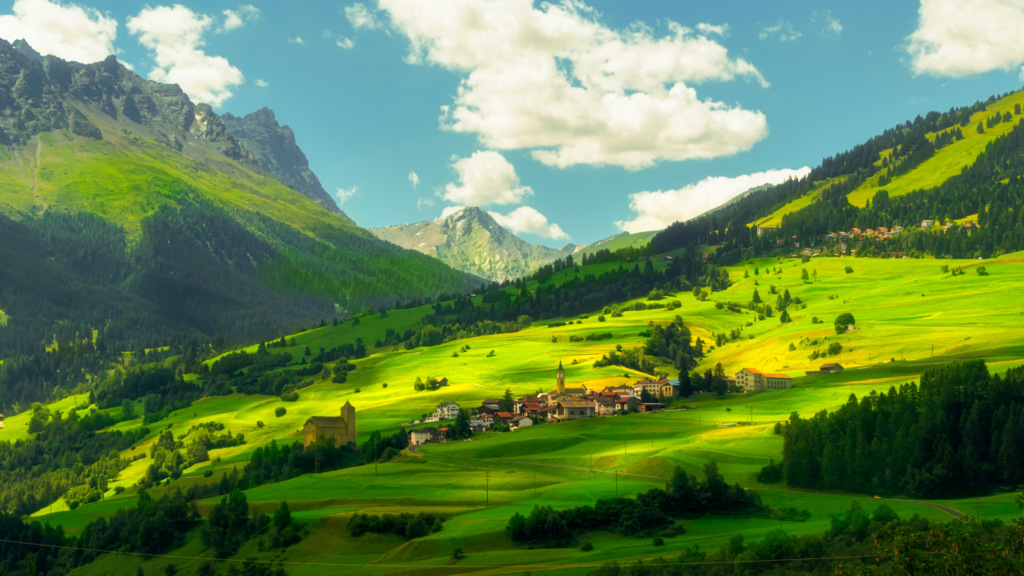
Train travel in Switzerland deserves special mention. The scenic rail routes, like the Glacier Express, turn transportation itself into a highlight of the trip. You’re not just getting from point A to point B — you’re watching the Alps unfold outside your window the entire time.
Because of the cost, many first-timers treat Switzerland as a shorter stop, maybe three or four days, rather than a full week. That’s a smart approach. You get the highlights without draining your entire budget.
Putting It All Together
Here’s a simple way to think about combining these five countries. France and Belgium pair naturally, connected by fast trains and a shared Francophone influence in parts of Belgium. The Netherlands sits right above Belgium, making it an easy northward extension. Germany connects smoothly from the Netherlands or from France through the Rhine Valley. And Switzerland works best as a final leg, tucked in alongside Germany or France for that big scenic finale.

A realistic first-timer itinerary might look like this: four days in France, two in Belgium, three in the Netherlands, four in Germany, and three in Switzerland. That’s about sixteen days, which is a solid length for a first serious European trip, though you can easily trim it down if your schedule is tighter.
The beauty of Western Europe is how connected everything is. High-speed trains link most major cities in just a few hours, so you’re not wasting precious vacation days sitting in airports. Pack light, book your major train tickets in advance where possible, and leave a little room in your schedule for the unplanned moments. Those are usually the ones you remember most.
Choosing your first European destinations doesn’t have to be stressful. France, Belgium, the Netherlands, Germany, and Switzerland together offer an incredible mix of iconic cities, quiet villages, mountain views, and unforgettable food, all within a compact, easy-to-navigate region.
If planning all the logistics yourself feels overwhelming, that’s completely understandable. A guided European tour can take care of the routing, accommodations, and transportation, so you can focus on actually enjoying the trip instead of juggling train schedules and hotel bookings. Whether you go it alone or join a tour, this part of Europe is about as friendly as it gets for a first-time adventure.
Discover carefully curated Europe tour packages on FindTourGo and connect with trusted travel agencies to start your journey through Europe countries.