8 Unique Cultural Experiences You Should Not Miss in Lijiang and Shangri La China
11 minutes
7/27/2026

Some destinations are beautiful because of their landscapes. Others stay in your memory because of the stories, traditions, and people you encounter along the way. Lijiang and Shangri La China belong to the second kind.
Located in Yunnan Province, southwestern China, this region is a fascinating meeting point of cultures. Ancient towns sit beneath snow covered mountains. Traditional houses line narrow stone streets. Buddhist monasteries rise above highland valleys.
Here, Naxi, Dongba, and Tibetan cultures have shaped the identity of the region for centuries. A trip to Lijiang and Shangri La China is therefore about much more than sightseeing.
You can spend the morning wandering through an ancient town. Later, you might discover the mysterious Dongba script. In the afternoon, watch a spectacular outdoor performance with Jade Dragon Snow Mountain as the backdrop.
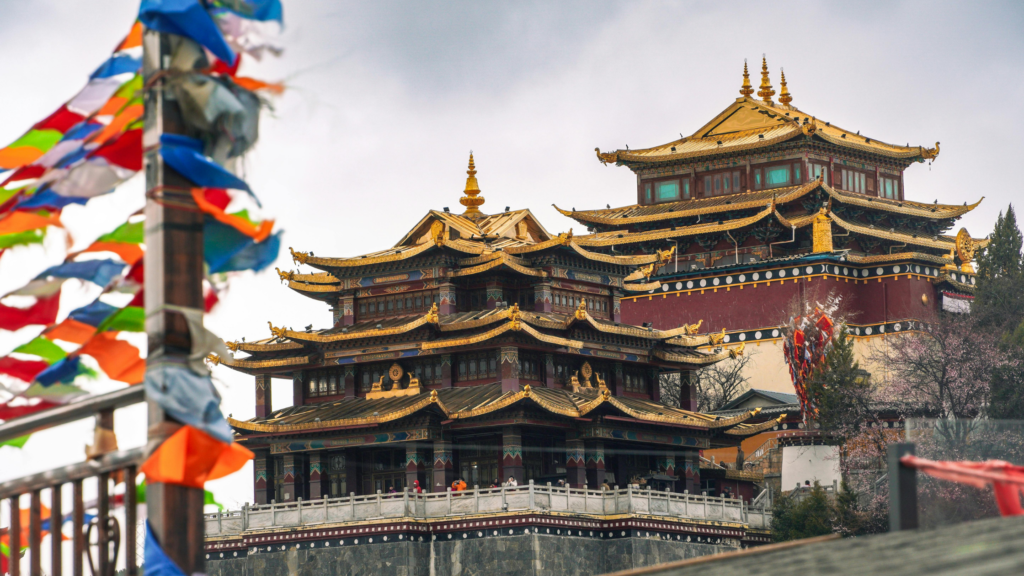
Then, as you travel further north toward Shangri La China, the atmosphere changes. The architecture becomes more Tibetan. Prayer flags move in the mountain wind. Ancient monasteries appear across the highlands. At night, traditional music and dance bring local culture to life during a Tusi feast.
If you are looking for a journey that combines stunning scenery with authentic cultural experiences, Lijiang and Shangri La China should be on your list. Here are eight cultural experiences worth adding to your itinerary.
Wander Through Lijiang Old Town and Discover Naxi Culture
Lijiang Old Town is one of the best places to begin your journey.
The historic district is famous for its stone-paved streets and beautiful waterways. Small canals flow between traditional wooden houses. Narrow lanes lead to hidden courtyards, local shops, and quiet corners.
Explore China tours and experience many ancient towns on FindTourGo
But do not visit only for the photographs. Take your time to observe daily life. Early in the morning, local markets begin to open. You may see fresh vegetables, mushrooms, tea, and regional specialties being sold by local vendors. By afternoon, the old town becomes livelier. Small cafés, tea houses, craft stores, and restaurants welcome visitors.
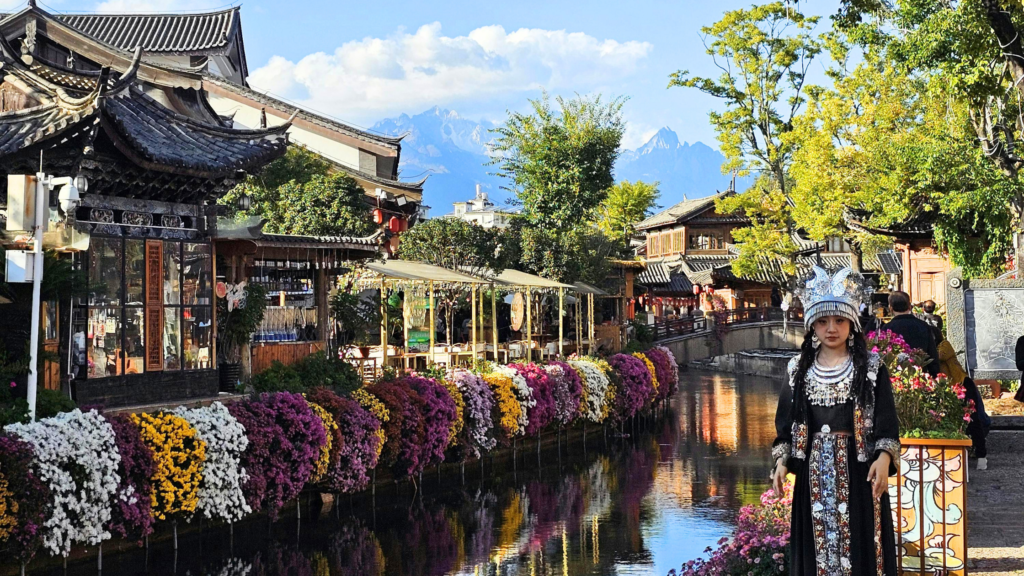
One of the most fascinating things about Lijiang is the balance between tradition and modern life. A modern café may occupy a centuries old wooden building. A stylish boutique may sit beside a traditional courtyard house. This combination gives the old town a unique atmosphere.
To understand Lijiang more deeply, take some time to learn about the Naxi people who have lived in this region for generations. Their culture, traditions, music, and beliefs remain an important part of the city’s identity.
Walking through Lijiang Old Town is therefore more than a sightseeing experience. It is an introduction to the cultural world of the Naxi people.
Discover Dongba Culture and Its Mysterious Pictographic Script
One of the most fascinating cultural experiences in Lijiang is discovering Dongba culture.
Dongba traditions are closely connected with the spiritual life and heritage of the Naxi people. The most recognizable feature is the unique Dongba script. At first glance, the symbols look like small drawings. You may see figures representing people, animals, the sun, the moon, or elements of nature.
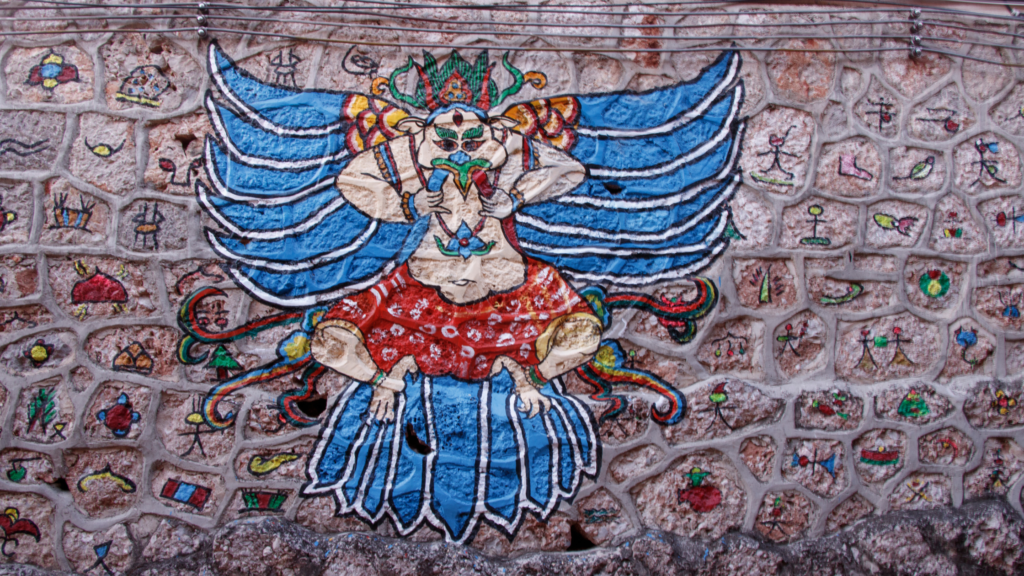
But each symbol carries its own meaning. Dongba culture goes far beyond writing. It is connected with religious beliefs, rituals, music, art, and traditional knowledge. Learning about it gives visitors a completely different perspective on Lijiang. The city is no longer just a beautiful ancient town. You begin to understand the people and traditions behind the architecture.
If you have time, visit a museum or cultural center dedicated to Dongba heritage. You can learn about traditional manuscripts, symbols, paintings, rituals, and the spiritual world of the Naxi people. It may seem like a small part of your itinerary, but it can become one of the most meaningful experiences.
Watch Impression Lijiang Against the Backdrop of Jade Dragon Snow Mountain
If you only choose one cultural performance in Lijiang, Impression Lijiang is worth considering.
Explore China tours and experience cultural shows on FindTourGo
This is not a typical theater performance. The stage is set against the dramatic landscape of Jade Dragon Snow Mountain. Created by renowned Chinese director Zhang Yimou and his creative team, the show combines music, dance, and stories inspired by local ethnic cultures and the history of the Ancient Tea Horse Road.
What makes the performance especially impressive is its scale. Hundreds of performers from local communities take part in the production. The vast outdoor setting makes the performers appear almost tiny compared with the surrounding mountains.
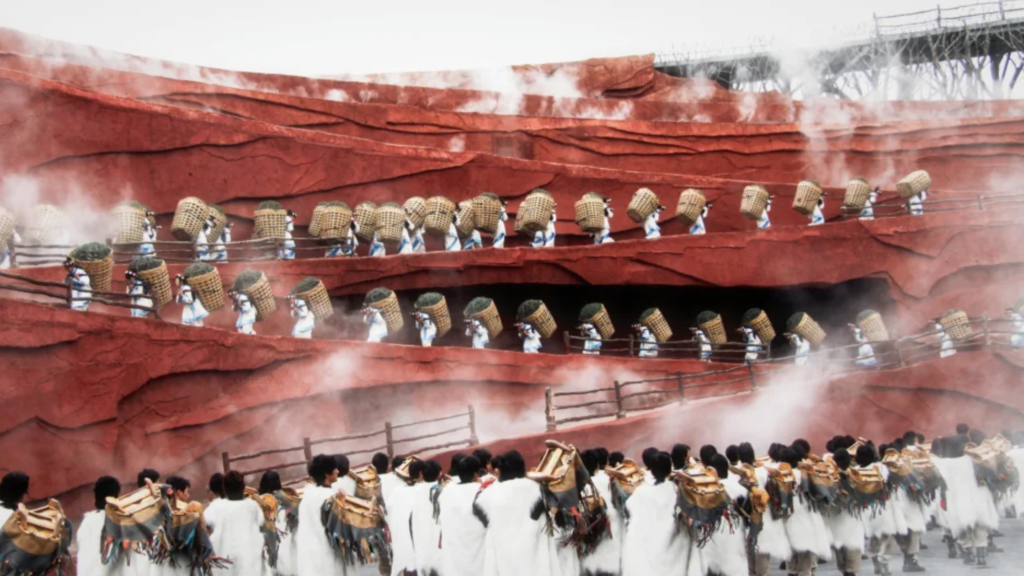
Traditional costumes fill the stage. Music echoes across the open air. Dancers tell stories through movement. The result is an experience that feels deeply connected to the landscape. You are not simply watching a performance. You are watching local culture being brought to life through music and movement.
And when Jade Dragon Snow Mountain rises dramatically behind the stage, the experience becomes even more memorable.
For first time visitors to Lijiang, this is one experience worth making time for. It offers a different way to understand the region’s cultural identity.
Try Traditional Ethnic Costumes and Experience Local Culture
Trying traditional clothing is one of the most popular activities for visitors in Lijiang and shangri la china. But it can be more than just a photo opportunity.
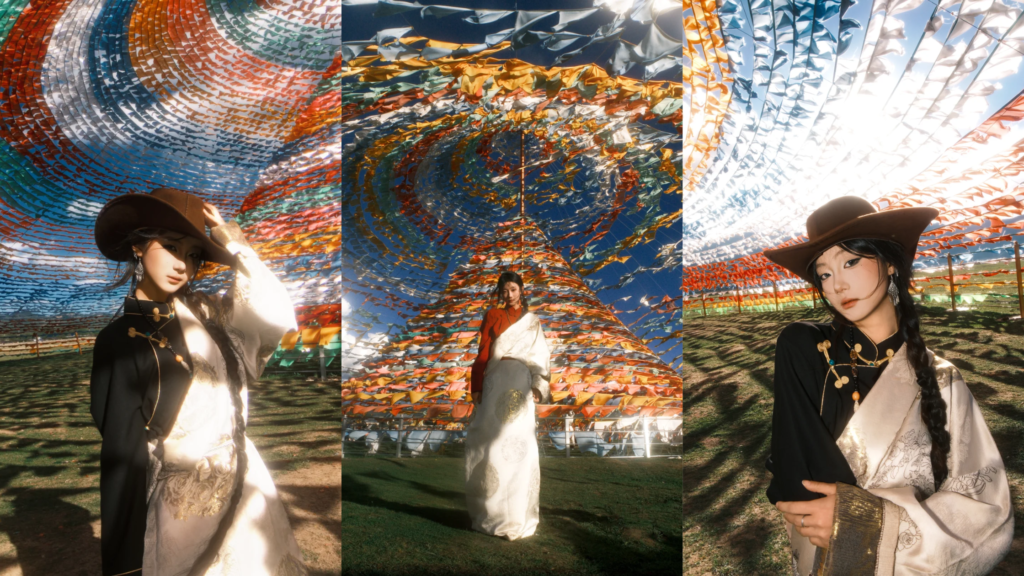
In Lijiang, visitors can rent traditional Naxi inspired clothing with distinctive colors and patterns. Further north in Shangri La China, Tibetan inspired costumes offer a completely different style.
Wearing traditional clothing can change the way you experience the destination. You might take photographs in the ancient streets of Lijiang. Or pose beside colorful prayer flags in the highlands.
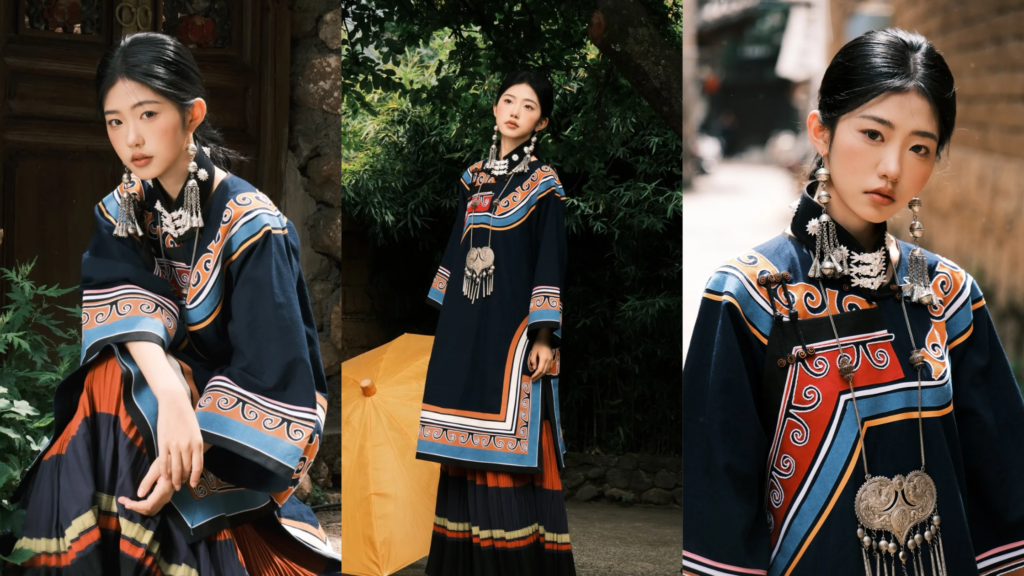
However, it is important to remember that traditional clothing is part of a living culture. Whenever possible, choose experiences that explain the history and meaning behind the costumes. Be especially respectful when visiting religious sites. Follow local rules and avoid treating sacred spaces simply as photo backdrops.
Join a Tusi Feast in Shangri La China and Experience Tibetan Music and Dance
For a more lively evening, consider joining a traditional Tusi themed feast or Zhaya Tusi.
This is where culture moves beyond museum displays. It happens right in front of you. These cultural dinners often combine local cuisine with traditional singing and dancing.
Depending on the program, visitors may have the opportunity to try regional dishes and highland ingredients. Some experiences may feature yak meat, highland barley, butter tea, or local barley wine. The exact menu varies between venues and programs.
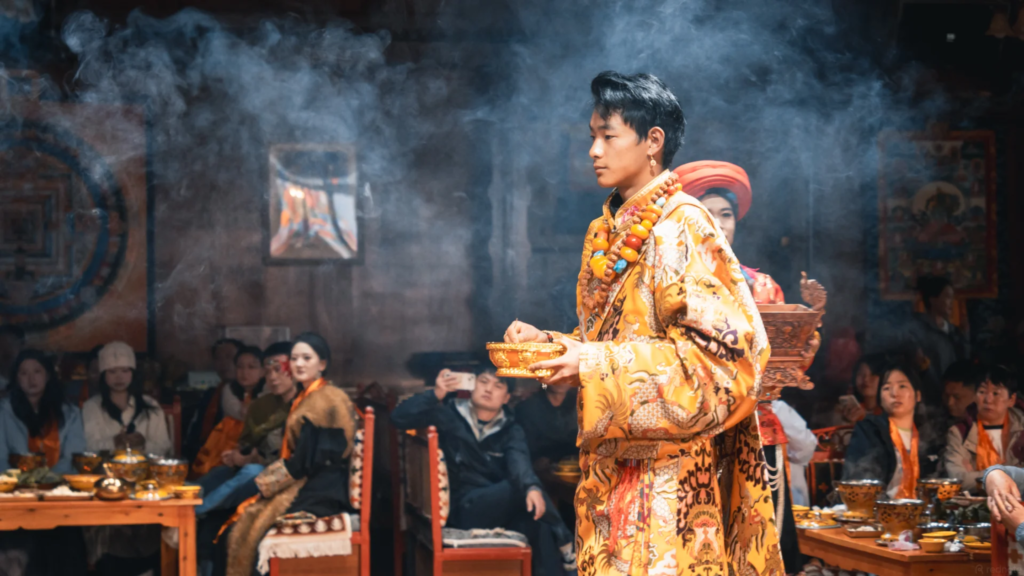
After dinner, the performances begin. Colorful traditional costumes fill the stage. Drums create a powerful rhythm. Traditional dances bring energy to the room.
As the evening continues, the atmosphere often becomes more interactive. Some programs invite visitors to join group dances or participate in a cultural bonfire.
The banquet is held at Zhaya Tusi Manor – a manor house with traditional Tibetan architecture. Zhaya Tusi Manor is located at 157 Kangzhu Avenue, Shangri-La City, Diqing Autonomous Prefecture, Yunnan Province, China. It’s a convenient 5-10 minute taxi ride from Dukezong Ancient City, making it easy to combine sightseeing and dinner.
Guests can arrange their own taxi, ask their hotel for assistance, or join Shangri-La tours that include the Tibetan Banquet in their itinerary.
Explore Dukezong Ancient Town and Discover the Ancient Tea Horse Road
The journey from Lijiang to shangri la is also a journey through history.
One of the most fascinating places to explore is Dukezong Ancient Town. Located in shangri la, the historic district has a strong Tibetan cultural influence. Traditional houses line the stone streets. Earth toned walls and decorated windows create a distinctive architectural style.
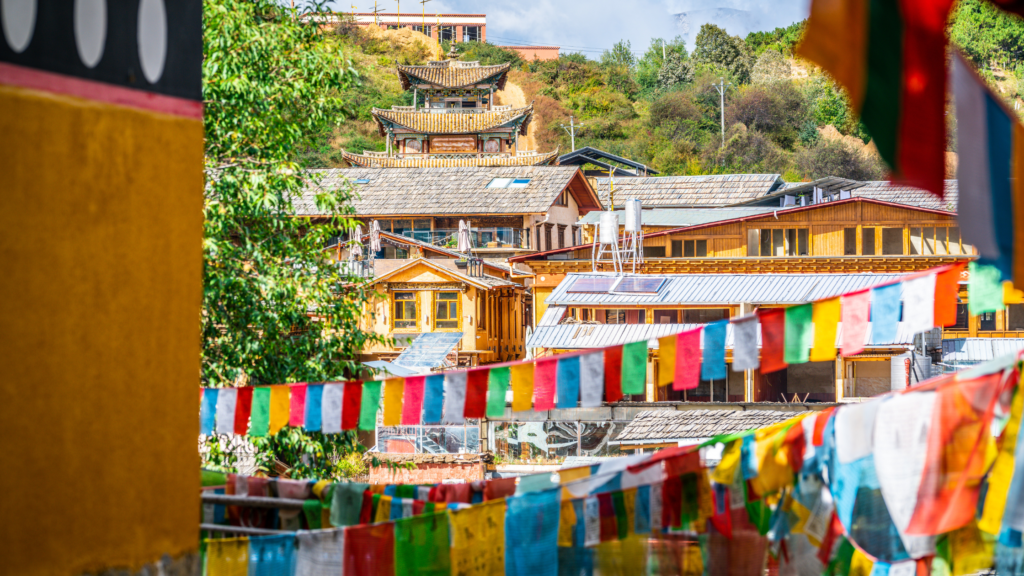
But the most interesting part of the old town is the story behind it. Dukezong was connected to the historic Ancient Tea Horse Road. For centuries, this network of trade routes linked Yunnan with Tibet and other parts of Asia. Merchants traveled through challenging mountain landscapes. Tea, horses, salt, and other goods were exchanged along the way.
Lijiang was an important stop on this historic trading network. Shangri La also played a role in the cultural world shaped by these routes. Today, the ancient streets are popular with travelers.
But knowing their history changes the way you see them. Every street becomes more than a place to walk. It becomes part of a much larger story about trade, migration, and cultural exchange.
Spend an afternoon exploring slowly. Stop for tea. Visit a small shop. Watch local life unfold around you. You do not need a packed schedule. Sometimes, simply being present is the best way to experience a historic town.
Visit Songzanlin Monastery and Experience Tibetan Buddhist Culture
If Lijiang is strongly associated with Naxi culture, shangri la opens the door to another world.
That world is Tibetan culture. One of the best places to experience it is Songzanlin Monastery. The monastery sits within the dramatic landscape of the Tibetan highlands. Its white walls and golden rooftops create a striking silhouette against the mountains. From a distance, the complex looks both majestic and peaceful.
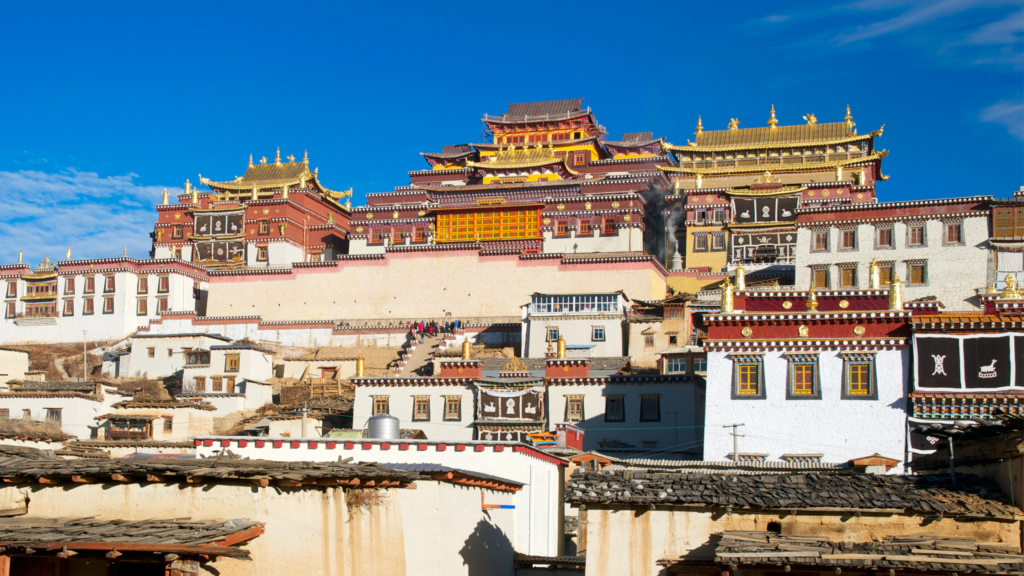
But the most meaningful experience is not simply taking photographs. Take time to observe your surroundings. Prayer flags move gently in the wind. Pilgrims walk quietly through the complex. The atmosphere feels calm and deeply spiritual.
You do not need to understand every aspect of Tibetan Buddhism to appreciate the experience. Sometimes, simply being in the space is enough. When visiting religious sites, dress modestly and behave respectfully. Do not touch religious objects without permission. Avoid disturbing people who are praying or participating in religious rituals.
Explore Local Culture Through Food in Lijiang and Shangri La China
You cannot fully understand a culture without tasting its food.
The cuisine of Lijiang and shangri la reflects the region’s mountain environment and cultural diversity. In Lijiang, try local dishes influenced by Naxi traditions. Yunnan is also famous for its wide variety of mushrooms and seasonal mountain ingredients.
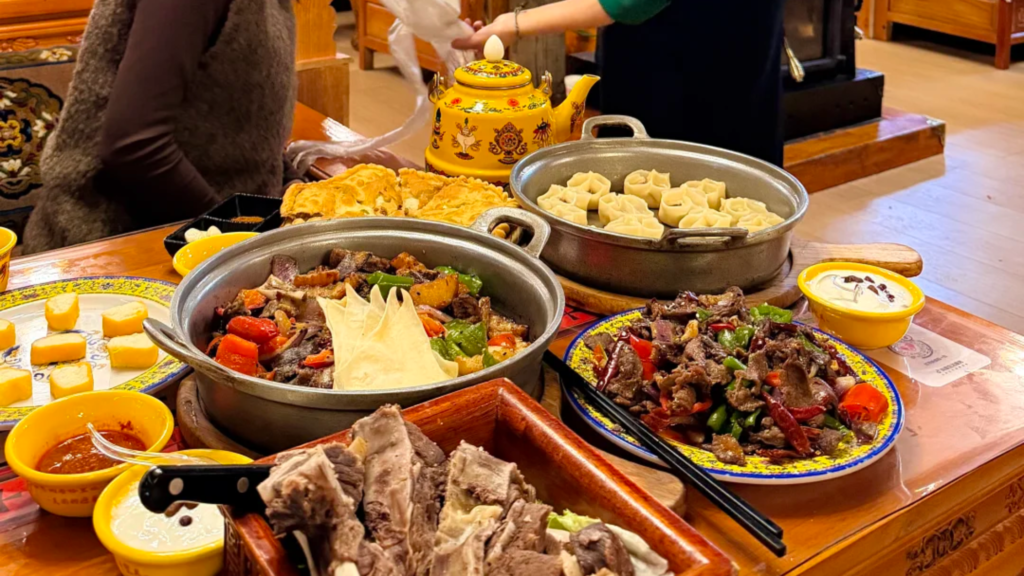
As you travel toward Shangri La China, the flavors begin to change. The cuisine carries stronger influences from the Tibetan plateau. You may have the chance to try butter tea, highland barley dishes, or food made with yak meat.
If you join a Tusi themed feast, you can combine several of these experiences in one evening.
These flavors may be unfamiliar to some travelers. That is exactly what makes them worth trying.
Lijiang and Shangri La China: Two Cultural Worlds in One Journey
The most fascinating part of traveling through Shangri La China is not simply the number of places you visit. It is the cultural transition between them.
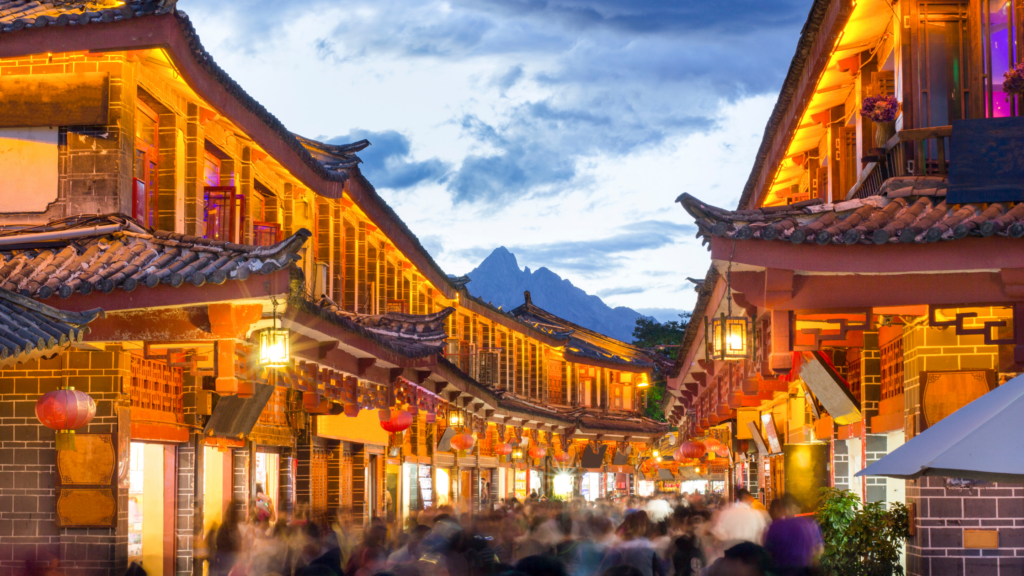
In Lijiang, you enter the world of the Naxi people. You discover ancient streets. You learn about Dongba culture. You encounter a unique pictographic script. You hear stories about the Ancient Tea Horse Road.
Then, as you travel north, the landscape gradually changes. The mountains become higher. The air becomes cooler. The architecture becomes more distinctly Tibetan.
And when you arrive in Shangri La China, you enter a different cultural world. There are monasteries. Prayer flags. Tibetan traditions. Traditional music and dance. Tusi heritage. Stories of life on the high plateau.
This is what makes a Lijiang and shangri la journey so fascinating. You are not simply traveling from one destination to another. You are moving through different layers of Yunnan’s cultural landscape. Each experience reveals another part of the story.

Ready to explore shangri la china for yourself? Discover curated Lijiang and Shangri La China tours on FindTourGo and experience ancient towns, Naxi and Dongba culture, Impression Lijiang, Tusi heritage, Tibetan traditions, and the spectacular landscapes of Yunnan.