Departures & Pricing
No upcoming departures available. Chat with an agent for assistance.
$2,400.0013% OFF
From $2,100.00
per person
Select month
per person
Select month
By submitting this form, you agree to our Terms of Service and Privacy Policy.
|
Day |
Route |
Altitude |
Duration |
Highlights |
Accommodation |
|---|---|---|---|---|---|
|
1 |
Arrival in Kathmandu |
1,400m |
Full day |
Airport pickup, briefing, trek preparation |
Hotel in Kathmandu |
|
2 |
Fly to Bhadrapur → Drive to Taplejung |
1,820m |
6–8 hrs travel |
Scenic flight, long jeep drive through hills & tea gardens |
Teahouse in Taplejung |
|
3 |
Trek to Mitlung |
1,900m |
5–6 hrs |
River trails, forests, suspension bridges |
Teahouse |
|
4 |
Trek to Chirwa |
1,270m |
5–6 hrs |
Villages, riverside trekking, cultural experience |
Teahouse |
|
5 |
Trek to Sekathum |
1,650m |
5–6 hrs |
Narrow valleys, waterfalls, forest trails |
Teahouse |
|
6 |
Trek to Amjilosa |
2,510m |
6–7 hrs |
Steep climb, bamboo forests, remote terrain |
Teahouse |
|
7 |
Trek to Gyabla |
2,730m |
5–6 hrs |
Alpine forests, gradual ascent, wildlife zone |
Teahouse |
|
8 |
Trek to Ghunsa |
3,595m |
5–6 hrs |
Tibetan village, monasteries, mountain views |
Teahouse |
|
9 |
Acclimatization in Ghunsa |
3,595m |
Rest day |
Short hikes, monastery visit, altitude adjustment |
Teahouse |
|
10 |
Trek to Khambachen |
4,050m |
5–6 hrs |
Glacier valleys, rugged terrain, big mountain views |
Teahouse |
|
11 |
Trek to Lhonak |
4,780m |
5–6 hrs |
Moraines, barren landscapes, extreme wilderness |
Teahouse |
|
12 |
Hike to Pangpema (Base Camp) & return |
5,143m |
6–7 hrs |
Kanchenjunga North Base Camp, glacier views |
Teahouse (Lhonak) |
|
13 |
Trek back to Ghunsa |
3,595m |
6–7 hrs |
Descending alpine terrain, easier breathing |
Teahouse |
|
14 |
Trek to Sele La Camp |
4,290m |
6–7 hrs |
Steep ascent, rugged high-altitude terrain |
Basic lodge/camp |
|
15 |
Cross Sele La Pass → Trek to Tseram |
3,870m |
7–8 hrs |
High passes, panoramic Himalayan views |
Teahouse |
|
16 |
Trek to Ramche & Oktang Base Camp |
4,610m |
5–6 hrs |
Yalung Glacier, South Base Camp views |
Teahouse |
|
17 |
Trek to Tortong |
2,995m |
5–6 hrs |
Rhododendron forests, descending trail |
Teahouse |
|
18 |
Trek to Yamphudin |
2,080m |
6–7 hrs |
Villages, rivers, cultural return zone |
Teahouse |
|
19 |
Drive to Bhadrapur → Fly to Kathmandu |
1,400m |
Full day |
Scenic drive, return flight, trek completion |
Hotel in Kathmandu |
Upon arrival at Tribhuvan International Airport in Kathmandu, you will be warmly welcomed by our representative and transferred to your hotel in the city. The drive introduces you to the busy streets, colorful temples, and vibrant atmosphere of Nepal’s capital. After check-in, you can rest from your journey or explore Thamel, a lively tourist district filled with trekking shops, cultural cafés, and local markets. In the evening, a detailed briefing session will be conducted covering the entire Kanchenjunga route, altitude challenges, safety procedures, trekking equipment, and permit requirements. This ensures you are fully prepared for the remote Himalayan expedition ahead.
Accommodation: Hotel in Kathmandu
After breakfast, you take a scenic domestic flight from Kathmandu to Bhadrapur, where the Himalayan foothills gradually replace the flat southern plains below. From here, a long but highly scenic jeep drive begins toward Taplejung, passing through tea gardens, cardamom farms, river valleys, and winding hillside roads. The landscapes shift dramatically from tropical lowlands to cooler mountain environments as altitude increases. Small villages, waterfalls, and forested ridges accompany the journey throughout the day. By evening, you reach Taplejung, the gateway to the Kanchenjunga trekking region.
Accommodation: Teahouse in Taplejung
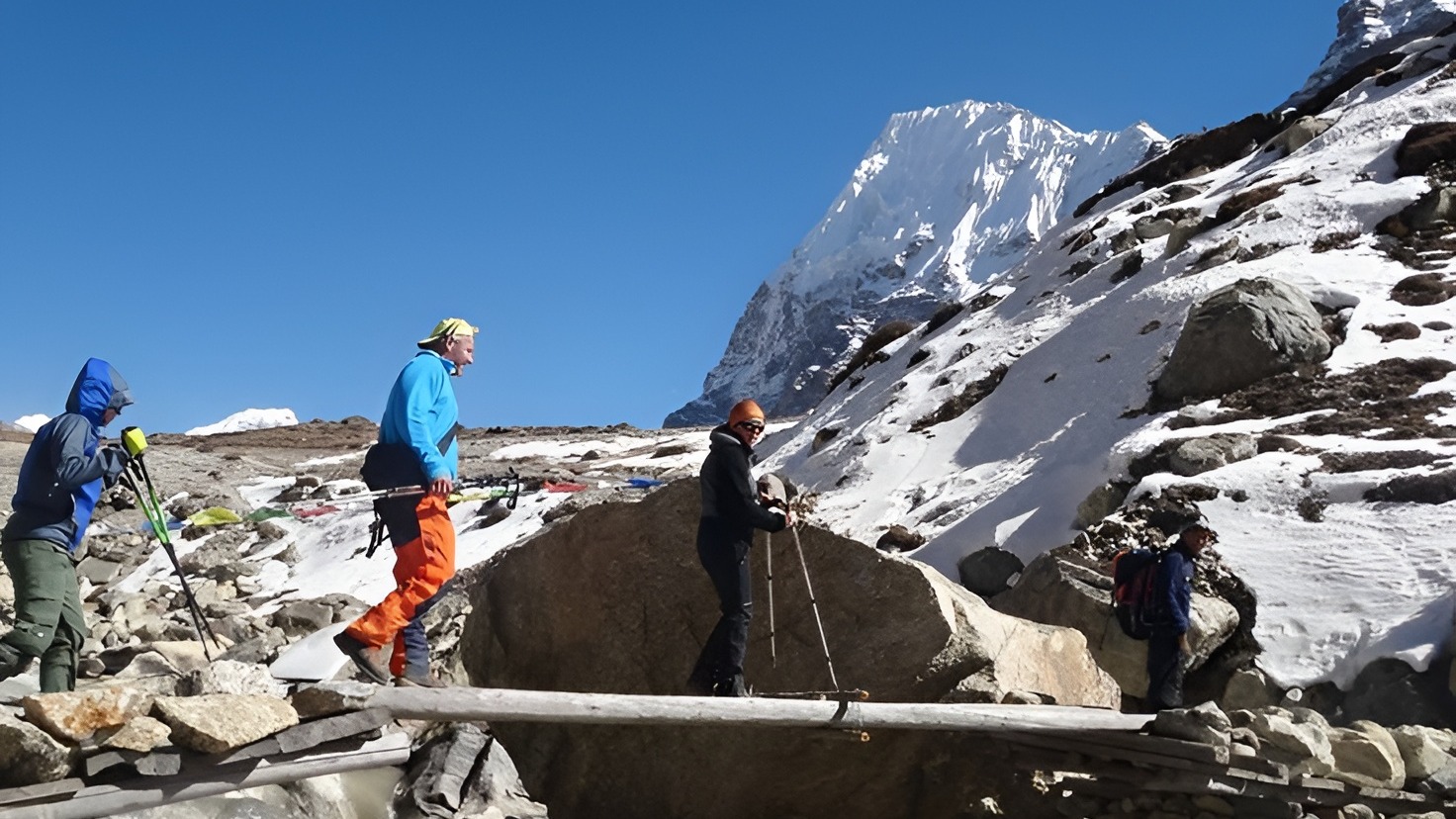
Today marks the true beginning of your Himalayan trekking journey as you leave the road-accessible area and step into the remote Kanchenjunga trail. The path gradually descends through lush green hills filled with terraced farmlands, dense cardamom plantations, and subtropical forests rich in biodiversity. The sound of flowing water from the Tamor River accompanies you throughout the day, creating a calming trekking rhythm. You will cross several suspension bridges hanging high above deep gorges, offering thrilling views of the river below. The trail is not too steep, allowing your body to slowly adjust to walking long distances in mountain terrain while enjoying peaceful rural scenery and your first real immersion into eastern Nepal’s natural and cultural landscape.
Accommodation: Teahouse in Mitlung
The trail continues along the river valley, combining gentle ascents and descents through forested hills, farmland, and small rural settlements. Today you cross multiple suspension bridges that connect narrow ridges above the fast-flowing Tamor River, adding excitement and variety to the journey. Along the route, you pass through Rai and Limbu villages where traditional stone houses, wooden architecture, and terraced farming systems reflect centuries-old Himalayan lifestyles. Locals are warm and welcoming, often seen working in fields or interacting along the trail. The soundscape is dominated by rivers, birds, and wind through dense forest, creating a deeply peaceful trekking atmosphere. As the day progresses, the region feels increasingly remote and untouched.
Accommodation: Teahouse in Chirwa
Today the trail becomes noticeably narrower, more rugged, and more adventurous as you move deeper into the valley. You follow the Tamor River closely, walking through dense subtropical forests, rocky cliffs, and shaded jungle sections where sunlight filters through thick vegetation. Waterfalls cascade down steep hillsides, sometimes crossing your path through wooden bridges or natural rock formations. The terrain feels more raw and less developed, and human settlements become rare. The sense of isolation grows stronger, giving you a feeling of entering a truly wild Himalayan environment. Every step brings you closer to the untouched heart of eastern Nepal’s mountain wilderness.
Accommodation: Teahouse in Sekathum
This is one of the more physically demanding early trekking days, as the trail climbs steadily through steep mountain terrain. You pass through dense bamboo forests, rhododendron zones, and narrow stone stairways carved into hillsides. The climb is continuous and requires endurance, but the surrounding environment is rich with natural beauty—hidden waterfalls, moss-covered rocks, and deep forest valleys. As altitude increases, the air becomes cooler and noticeably thinner. Occasional clearings offer dramatic views of surrounding cliffs and forested ridges. The trail feels wild, remote, and completely immersed in nature, marking your deeper entry into the Himalayan ecosystem.
Accommodation: Teahouse in Amjilosa
The trail today continues through thick forests of pine, bamboo, and alpine shrubs, offering a calmer trekking experience compared to the previous day. The ascent is gradual, allowing your body to continue adjusting to altitude without excessive strain. The environment becomes quieter, with only bird calls, rustling leaves, and distant river sounds accompanying your journey. Occasional open spaces reveal views of layered hills and forest valleys stretching far into the distance. Wildlife sightings become more possible in this less disturbed region, adding to the sense of being deep inside a natural Himalayan corridor.
Accommodation: Teahouse in Gyabla
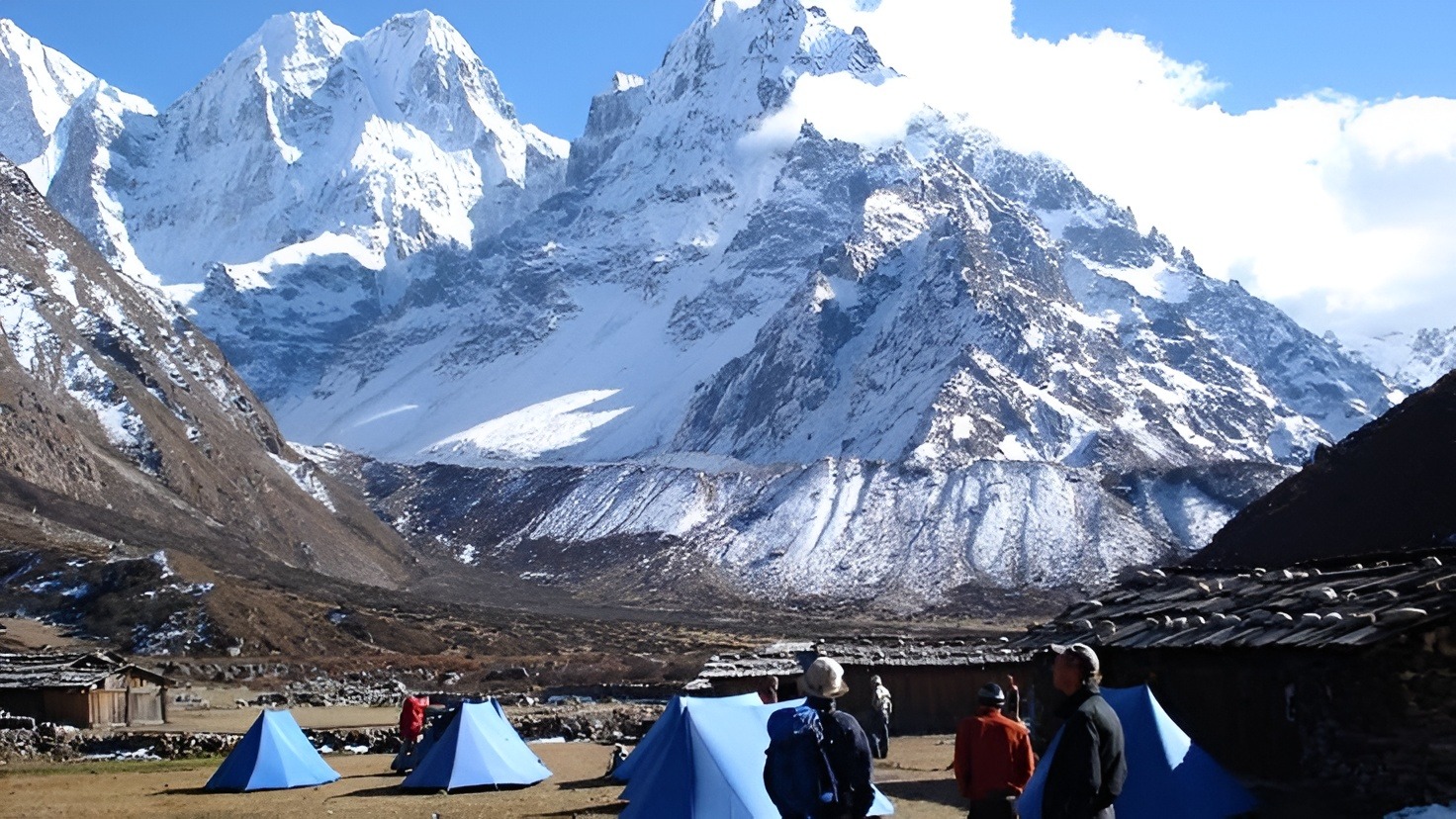
Today you reach Ghunsa, one of the most culturally significant and well-established villages in the Kanchenjunga region. The landscape opens dramatically into wide alpine valleys surrounded by snow-covered peaks and glacial ridges. The village is strongly influenced by Tibetan culture, visible in its monasteries, prayer flags, mani walls, and traditional stone houses. Yak herding is a common sight, and the lifestyle here is deeply connected to high-altitude survival and spirituality. Compared to previous stops, Ghunsa offers better facilities and serves as a key acclimatization hub before entering higher glacier zones.
Accommodation: Teahouse in Ghunsa
This rest day is essential for proper acclimatization before ascending into higher altitude regions. You can take short hikes to nearby ridges or viewpoints that offer panoramic views of Kanchenjunga and surrounding peaks. These hikes help your body adapt to thinner air while providing breathtaking scenery. You may also visit local monasteries, interact with villagers, or walk through yak grazing fields that define the high Himalayan lifestyle. The slower pace of the day allows recovery, photography, and mental preparation for the more challenging glacier sections ahead.
Accommodation: Teahouse in Ghunsa
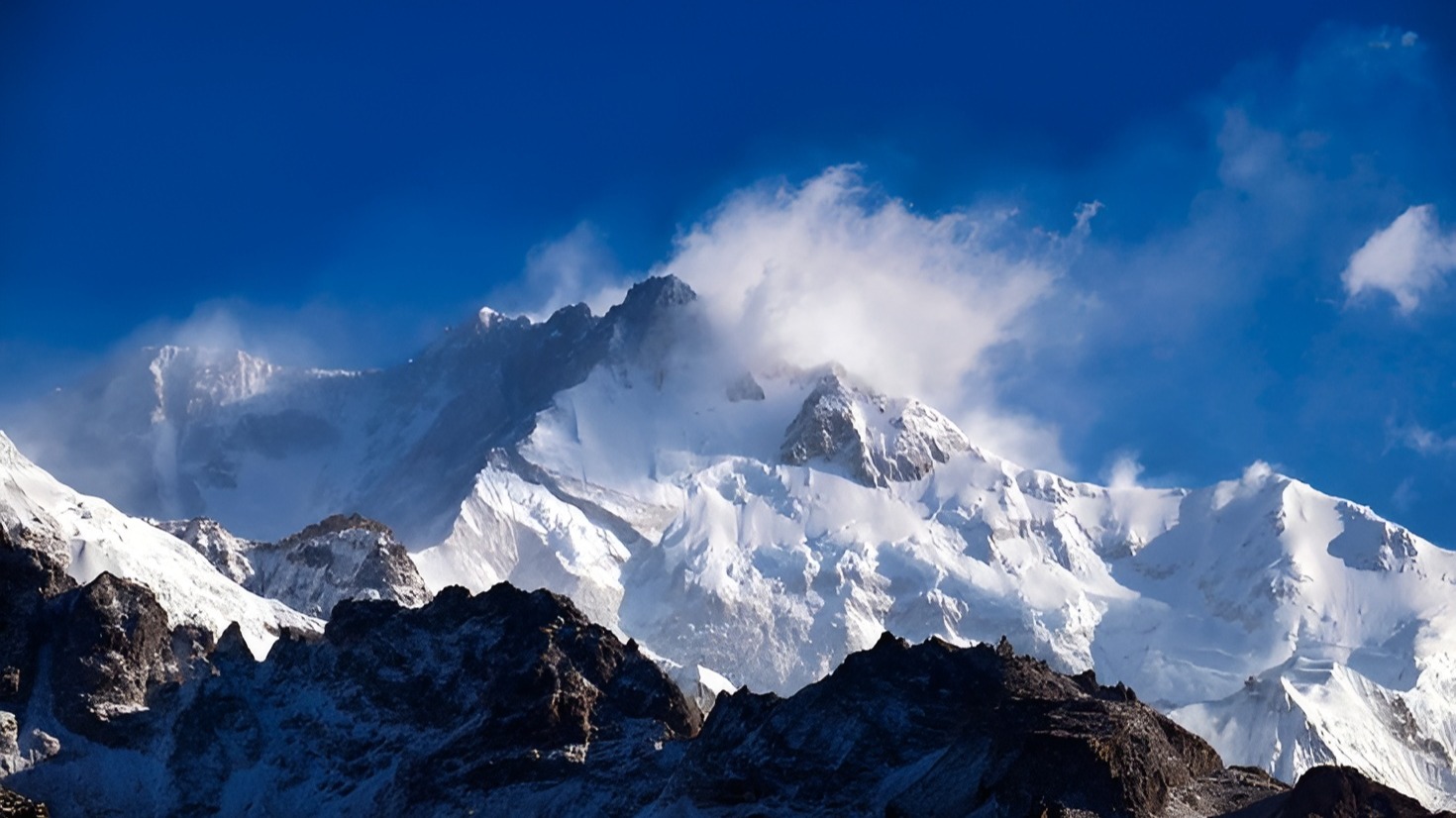
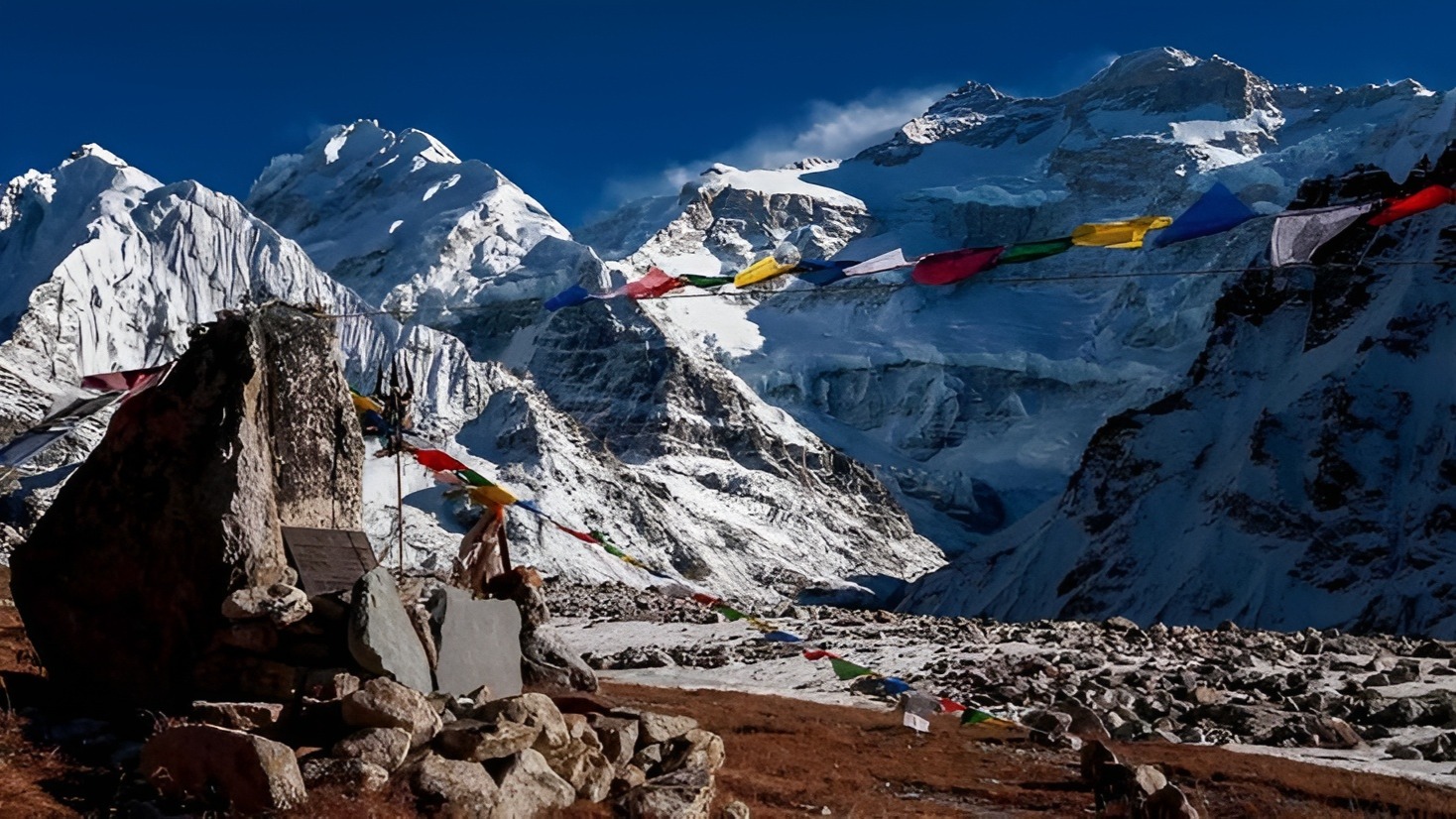
Today’s trail becomes increasingly rugged, alpine, and visually dramatic as you ascend above the tree line. You walk through rocky paths, glacial valleys, and wide open landscapes shaped by ancient ice movements. Vegetation becomes sparse, replaced by stone, ice, and high-altitude shrubs. The presence of Kanchenjunga and surrounding peaks becomes overwhelming as they dominate the entire horizon. The environment feels colder and more extreme, with shifting winds and a strong sense of wilderness. This section marks your true entry into the high Himalayan zone, where landscapes become vast, powerful, and unforgettable.
Accommodation: Teahouse in Khambachen
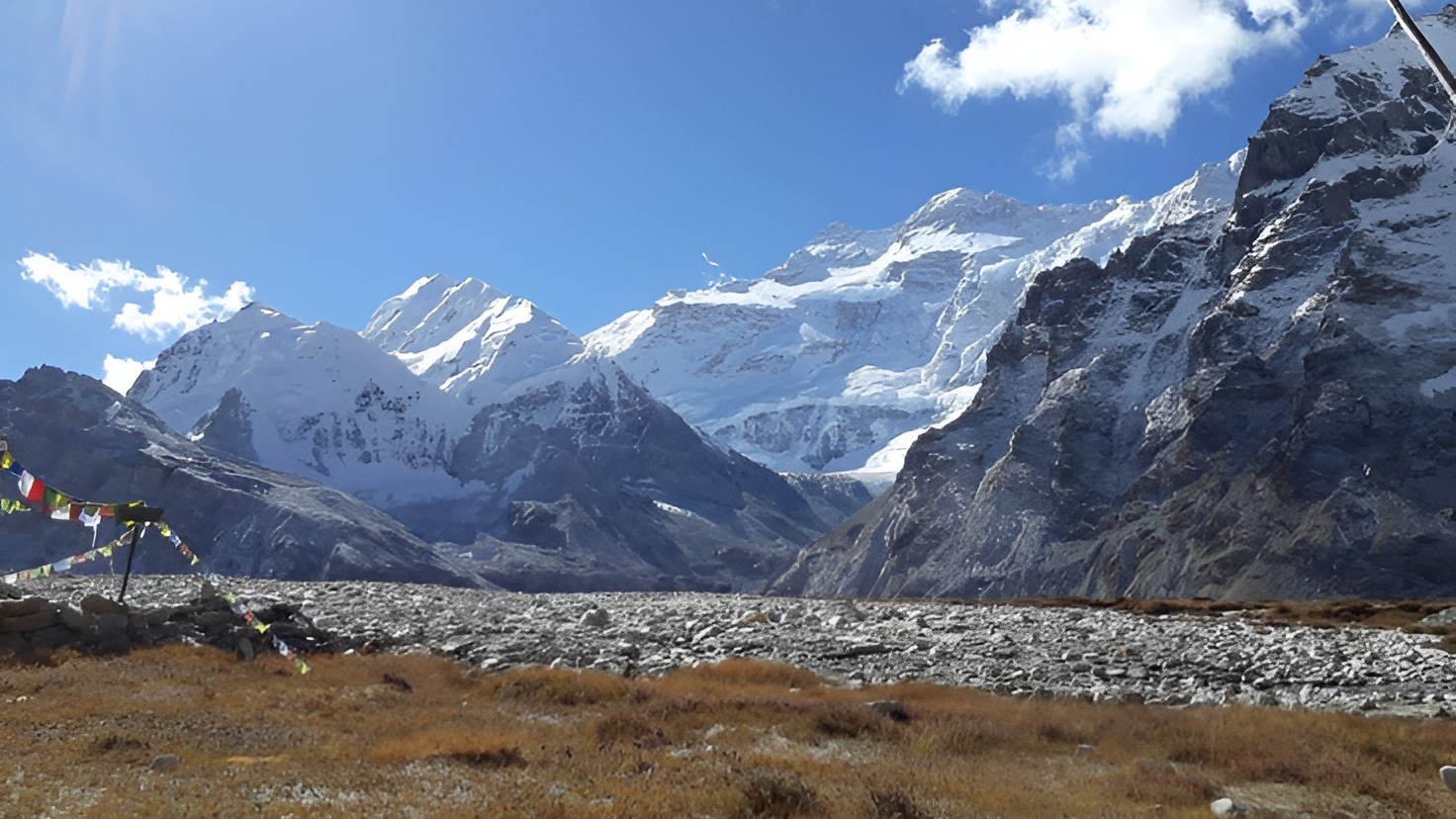
Today’s trek takes you deeper into one of the most remote and dramatic sections of the entire Kanchenjunga region. The trail becomes increasingly barren and rugged as you move above the tree line, crossing vast glacial moraines, rocky ridges, and wind-carved valleys. The landscape feels extremely isolated, with no vegetation except scattered alpine grasses and stone formations shaped by centuries of ice movement. The air is thin and cold, and every step requires steady effort due to the altitude. Towering ahead, the massive Kanchenjunga range dominates the entire horizon, creating a powerful sense of scale and wilderness. The silence of this region is striking, broken only by wind and distant glacier sounds, making it one of the most raw and untouched trekking environments in Nepal.
Accommodation: Teahouse in Lhonak
This is the most iconic and emotionally powerful day of the entire expedition. You begin early in the morning, trekking gradually through glacial valleys and rocky moraine fields toward Pangpema, the North Base Camp of Mount Kanchenjunga. The trail is cold, exposed, and surrounded by towering ice formations and shifting glacier landscapes. As you approach the base camp, the north face of Kanchenjunga appears dramatically, rising like a massive wall of ice and rock. Standing here at over 5,000 meters gives an overwhelming sense of achievement, isolation, and natural grandeur. After spending time absorbing the views, taking photographs, and experiencing the silence of the Himalayas, you retrace your steps carefully back to Lhonak.
Accommodation: Teahouse in Lhonak
Today you begin your descent from the extreme high-altitude zone back toward more stable and greener environments. The trek retraces familiar paths, but the return journey offers a completely different perspective, with changing light, weather, and mountain angles revealing new beauty in the landscape. As you descend, oxygen levels gradually improve, making walking easier and more comfortable. Glacial valleys slowly give way to alpine meadows and scattered vegetation. The return to Ghunsa feels warm and welcoming after days in the harsh upper region, marking a transition back toward cultural and ecological diversity.
Accommodation: Teahouse in Ghunsa
The trail today climbs sharply once again as you head toward the high pass region of Sele La. The path is rugged, steep, and physically demanding, requiring steady pacing and endurance. Vegetation becomes sparse, and the terrain turns into rocky ridges and exposed alpine slopes. Weather conditions can change quickly here, with strong winds and sudden temperature drops. Despite the difficulty, the route rewards you with sweeping views of deep valleys, snow-covered ridges, and distant Himalayan peaks. The sense of isolation and altitude makes this a challenging yet highly scenic trekking day.
Accommodation: Basic teahouse/camp at Sele La
One of the most demanding yet rewarding days of the entire trek. You cross both Sele La and Mirgin La passes, walking along narrow high ridges surrounded by panoramic Himalayan views in every direction. The trail is steep, windy, and physically intense, requiring careful steps on rocky and sometimes snowy terrain. From the top, you are rewarded with breathtaking views of Kanchenjunga, Makalu ranges, and deep valleys stretching below. After crossing the passes, you descend carefully into Tseram, where alpine valleys open up into wider landscapes filled with dramatic mountain scenery.
Accommodation: Teahouse in Tseram
Today’s trek is scenic and highly rewarding as you move toward Ramche and then hike to the South Base Camp at Oktang. The trail follows glacial streams, moraine fields, and alpine meadows with incredible views of surrounding peaks. At Oktang viewpoint, you witness the massive Yalung Glacier stretching beneath the southern face of Kanchenjunga. The scale of the mountains here is immense, with deep valleys, ice formations, and dramatic cliffs creating a powerful visual experience. This is one of the most photogenic sections of the trek.
Accommodation: Teahouse in Ramche
You begin a steady descent into greener and more vegetated landscapes. The trail passes through rhododendron forests, pine-covered slopes, and flowing rivers. As altitude decreases, the air becomes richer in oxygen and walking feels noticeably easier. Birds and wildlife become more visible again, and the environment feels more alive compared to the high alpine zone. The transition from barren mountains to lush greenery creates a refreshing and calming trekking experience.
Accommodation: Teahouse in Tortong
The trail continues descending through dense forests, river valleys, and traditional rural settlements. You gradually re-enter inhabited regions where farming, livestock, and daily village life become more prominent. The path is long but comfortable, with mixed terrain of forest trails and stone steps. Cultural interaction increases as you pass through villages influenced by Rai, Limbu, and Tibetan traditions. This day provides a beautiful contrast to the extreme wilderness experienced earlier in the trek.
Accommodation: Teahouse in Yamphudin
A long scenic jeep drive takes you from Yamphudin through winding mountain roads, rivers, and rural landscapes toward Bhadrapur. The journey gradually transitions from high hills back to the flat Terai region. From Bhadrapur, you take a flight back to Kathmandu, enjoying aerial views of Nepal’s diverse geography one final time. Upon arrival, you are transferred to your hotel. The trek concludes with a deep sense of accomplishment after completing one of the most remote, challenging, and rewarding Himalayan expeditions in Nepal.
Accommodation: Hotel in Kathmandu
These Terms of Service outline the conditions for booking and participating in the Kanchenjunga Trek (19 Days) operated by the travel provider.
By booking this Kanchenjunga Trek, travelers confirm they have read, understood, and agreed to all terms and conditions. The operator reserves the right to update or modify these terms when necessary for safety, legal, or operational reasons.

Guru Travels Ltd. is Nepal’s first public limited travel company, offering reliable and professional travel services in Nepal and worldwide. We specialize in Everest Base Camp trekking, adventure tours, domestic & international tour packages, flight ticketing, hotel bookings, visa assistance, and corporate MICE travel.
Trusted by thousands of travelers, Guru Travels Ltd. is a TripAdvisor Travelers’ Choice Award 2025 winner, ranking among the top 10% travel companies globally. Our experienced team ensures transparent pricing, personalized service, and safe travel experiences.
📍 Based in Kathmandu, we proudly serve travelers from Nepal and abroad with integrity, expertise, and excellence.